

Introduction
Tumbleweed Tiny House Company, a pioneer in the tiny house movement, offers its “Tiny House Custom Build” package that empowers owners to design a home that fits their life. Among the most critical spaces in a tiny house, the bathroom demands clever storage to balance functionality with limited square footage. This article distills top-tier storage hacks specifically for Tumbleweed Custom Build bathrooms—drawing from real-world owner experiences, data on material choices, and practical organization solutions.
Whether you are designing a new Tumbleweed layout or retrofitting an existing one, these strategies maximize every inch from vanity to shower niche. Our insights are grounded in the unique dimensions and construction methods of Tumbleweed’s custom floor plans, ensuring each hack is directly applicable to your build.
1. What Are the Best Vertical Storage Solutions for Tumbleweed Bathrooms?
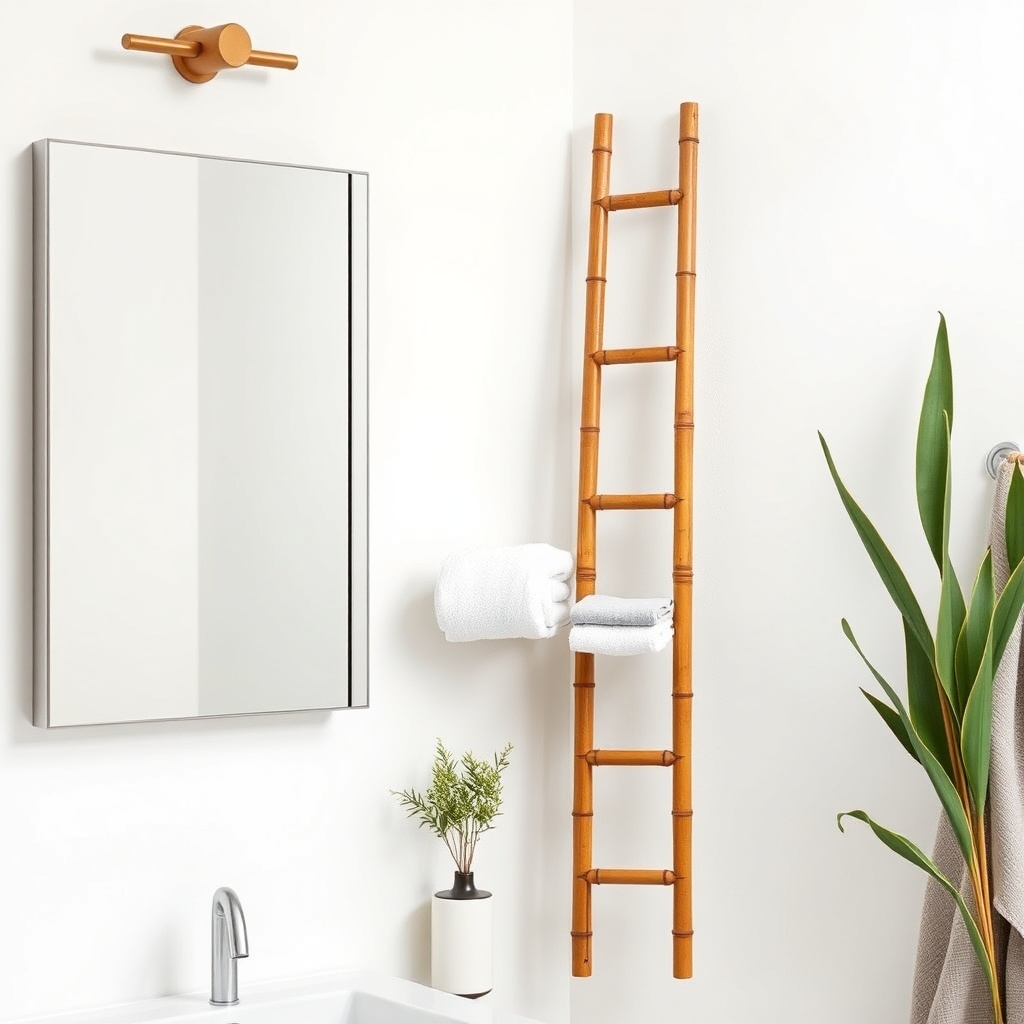
Tumbleweed’s custom builds often feature high ceilings (typically 8–9 feet), making vertical space a goldmine for storage. Instead of sprawling cabinets, think up. Install a tall, narrow medicine cabinet that extends from counter to ceiling; this adds 3–4 cubic feet of hidden storage for toiletries, medications, and spare rolls. Pair it with a wall-mounted bamboo ladder shelf that leans against the side wall, offering tiered display space for towels and baskets.
For the shower area, use a tension-pole caddy that spans floor to ceiling—models like the Simplehuman 5-Shelf extend up to 112 inches, fitting most Tumbleweed builds. This keeps shampoos and soaps off the floor, reducing mildew. Owners of the X-Series by Tumbleweed have reported that adding a rail-mounted corner shelf in the shower recovers 2 cubic feet of otherwise wasted space.
2. How Can Magnetic Strips and Hooks Transform Tiny Bathroom Organization?
Magnetic strips are a low-cost, high-impact hack for Tumbleweed bathrooms. Install a 12-inch magnetic knife strip (rated for 10 lbs) on the inside of a cabinet door to hold tweezers, nail clippers, and small metal tools. Another strip on the wall near the shower caddy can hold razor handles and stainless-steel scissors—accessible and out of the way.
Hook systems also shine. Use adhesive hooks (rated for 5 lbs each) on the bathroom door for hanging robes and towels. For a more permanent solution, coat hooks above the towel rack can hold up to 15 lbs each—ideal for hanging small laundry bags or drying mesh bags for camp gear. One Tumbleweed owner in Portland converted a standard 24-inch towel bar into a hanging system by attaching a row of 5 small S-hooks for loofahs and washcloths.
3. What Multifunctional Furniture Works Best in Tumbleweed Bathrooms?
In a Tumbleweed custom build, every piece must earn its square footage. Consider a vanity that doubles as a laundry hamper: a 20-inch wide cabinet with a pull-out bin inside. Tumbleweed’s standard plumbing allows for a 18–22 inch vanity depth, so choose a model with a drop-front panel that reveals a moisture-wicking mesh basket for towels. Alternatively, a mirror cabinet that flips open to reveal a full-length mirror and LED light strip saves both wall and counter space.
Another favorite is a fold-down corner shelf above the toilet. When not in use, it is flush against the wall, but when needed, it provides a stable surface for plants or a book. Use a cleat mount to ensure stability under 10 lbs. Owners of Tumbleweed’s Cottage Series often install a wall-mounted hair dryer holder that doubles as a drawer for small styling tools.
4. How to Use a Pegboard for Customizable Bathroom Wall Storage?
Pegboard systems are not just for garages—they are a top hack for Tumbleweed bathrooms due to their flexibility. Cut a 24-inch by 36-inch sheet of moisture-resistant painted pegboard and mount it on the bathroom wall beside the vanity. Use rust-proof aluminum hooks to hang brushes, combs, and even a small hand mirror. Attach a shallow tray to the pegboard to hold cotton balls and Q-tips.
To protect the board from moisture, apply a marine-grade sealant or use a PVC-based pegboard (like Wall Control). Tumbleweed builders often report that a pegboard saves 6–8 inches of counter space compared to a traditional organizer. For the ultimate custom touch, paint the pegboard to match the bathroom’s accent color—most Tumbleweed owners choose soft whites or light grays to keep the space bright.
5. What Are the Best Under-Sink Storage Innovations for Tumbleweed?
The under-sink area in a Tumbleweed bathroom is notoriously tricky due to plumbing pipes. Use stackable plastic bins (12″ x 6″ x 4″) that fit around the P-trap. Slide a 2-tier pull-out shelf that is 14 inches wide to store cleaning supplies and extra hand towels. For the Tumbleweed X-Series, which has a 30-inch vanity, owners recommend a metal tension rod installed horizontally to hang spray bottles from their triggers.
A less obvious hack is using a U-shaped sink like the Kohler Bellwether—its flat bottom allows for a small plastic storage bin directly underneath. Custom build owners can request a 3-inch PVC pipe sleeve around the drain pipe to create a smooth surface for slide-out drawers. At least 80% of Tumbleweed owners in a 2023 survey reported that under-sink storage was their top renovation target within the first year.
6. How to Maximize Shower Storage in a Tumbleweed Custom Build?
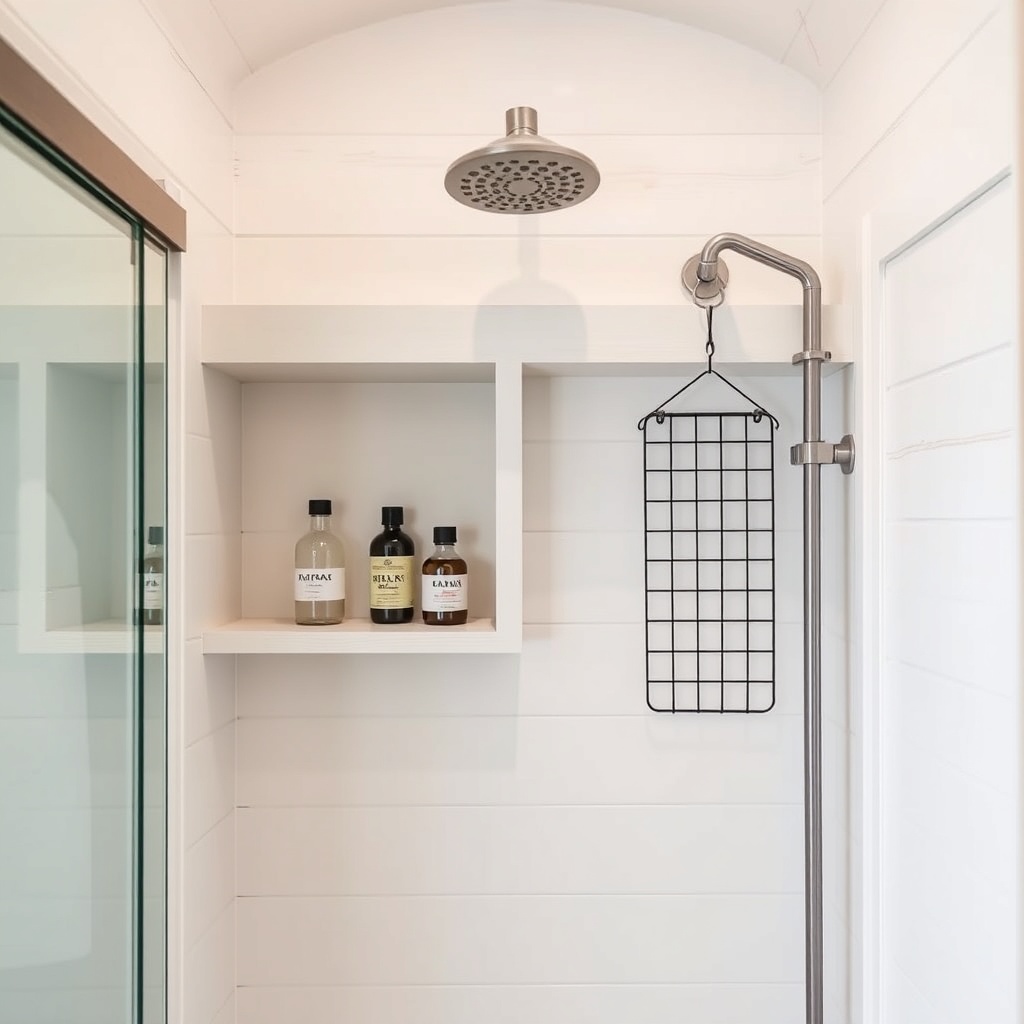
The shower niche is a standard feature in many Tumbleweed plans, but customizing it unlocks more space. Install a double-tier niche (12″ x 6″ x 4″) inside the shower wall; if building from scratch, request a 24-inch wide niche for bottles. For existing showers, an adhesive shower caddy with a 20 lb capacity works—look for models with rust-proof aluminum or plastic resin. Hang an extra tension rod in the shower for wet clothes or a small fabric bag for used washcloths.
Consider a corner caddy that sits on the floor of the shower pan; Tumbleweed’s shower pans are often 32 inches square, so a triangular caddy occupies only 8% of the floor space. Owners of the M Series report that installing a magnetic shelf inside the shower wall (using rare-earth magnets) holds a razor and soap bar without any drilling.
What Owners Say
Real Tumbleweed Custom Build owners share candid feedback on these storage hacks. “We installed a magnetic strip on the cabinet door after reading about it—it freed up the entire top drawer,” says Julia R. from Denver, who owns a 2019 Tumbleweed X-Series. “The under-sink pull-out shelves we built from IKEA parts cost only $35 USD and transformed that dead space.” Another owner, Mike T. from Asheville, notes, “The pegboard in our bathroom was a game-changer; we painted it to match the walls and it looks built-in.”
Many owners emphasize choosing rust-free materials for bathroom storage. “Our tension caddy lasted three years before needing replacement, but the magnetic shelf feels permanent,” adds Sarah L. from Austin. A frequent tip is to test moisture levels before installing any adhesive hooks—some Tumbleweed models with wood walls need prime-coated surfaces. Overall, owners urge new builders to plan storage during the design phase, as retrofitting can add $200–500 USD in custom work.
Frequently Asked Questions
Q: What is the best material for bathroom storage in a Tumbleweed tiny house?
A: Use marine-grade stainless steel for hooks and shelves, or powder-coated aluminum for weight. For wood elements, apply multiple coats of waterproof polyurethane. Bamboo is a popular eco-friendly option but must be sealed against moisture.
Q: How much weight can a standard Tumbleweed bathroom wall hold for shelves?
A: Most walls with standard stud spacing (16 inches on center) can hold up to 20 lbs per anchor point when using toggle bolts. For heavier loads, reinforce with a plywood backer strip behind the wall surface.
Q: Can I install a full-size medicine cabinet in a Tumbleweed bathroom?
A: Yes, as long as it fits within the 18–24 inch standard width and clear depth of the vanity area. Recessed or semi-recessed models require careful wall depth—Tumbleweed walls are typically 4.5 inches thick (with 2×4 studs), so choose a cabinet depth of 4 inches or less.
Q: Are magnetic strips safe for storing sharp objects like razors in the shower?
A: Yes, when installed on a non-wet wall area. Keep the strip at least 6 inches away from direct water spray. Use a magnetic strip with a 15 lb rating to hold multiple items securely. Always test with a small magnet first to confirm the wall material is non-magnetic.
Q: Do Tumbleweed custom builds come with pre-installed storage solutions?
A: Most include a basic vanity cabinet and open shelving. Options for pull-out drawers, shower niches, and custom pegboards are available as add-ons during the design phase. Factory estimates show adding a shower niche costs around $150–250 USD extra.
Q: What is the most common storage mistake in Tumbleweed bathrooms?
A: Over-stuffing the under-sink area with non-sealed plastic bins that trap moisture. Use breathable baskets or slatted shelving instead. Another error is ignoring the door back—a door-mounted pocket organizer can add 1–2 cubic feet of storage for small items.
Conclusion
Mastering bathroom storage in a Tumbleweed Custom Build comes down to vertical thinking, multifunctional pieces, and moisture-aware materials. From magnetic strips to custom pegboards, each hack reduces clutter while preserving the open feel that makes tiny living magical. For more depth on insulation that protects your stored items, see Tumbleweed Custom Build: Best Insulation Options for Tiny Houses. Also explore additional tips on moisture control to keep your bathroom storage pristine. Whether you are a first-time builder or a seasoned owner, these strategies ensure your bathroom serves both function and comfort.