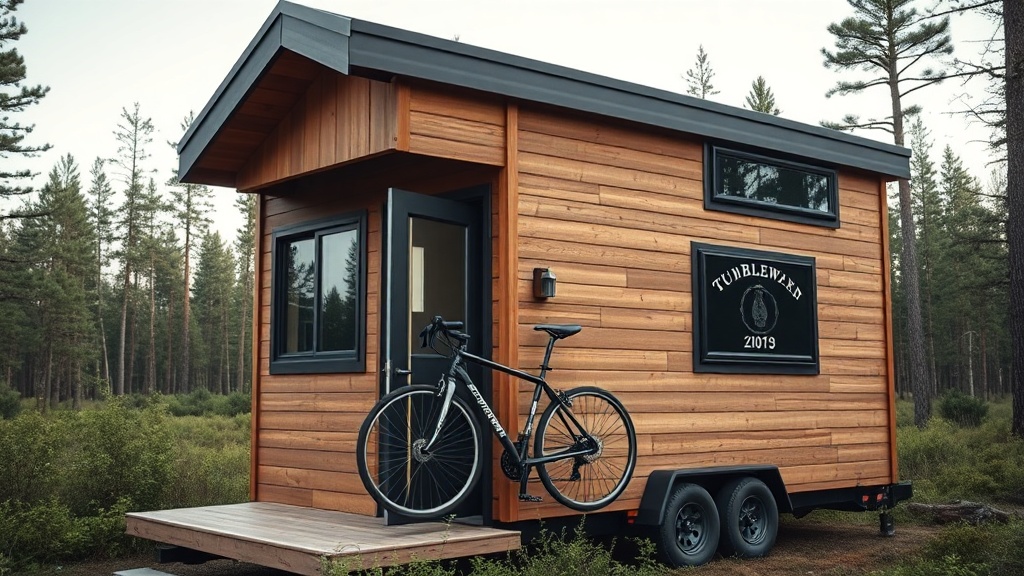
Tiny House Custom Build by Tumbleweed: Compact Folding Bike Storage Solutions
When living in a tiny house from Tumbleweed, every square inch matters, including the space for a folding bike. This article explores smart, compact storage solutions that integrate seamlessly into your custom build, ensuring you can ride without cluttering your home. Discover how to balance mobility and minimalism with bike storage that complements your tiny lifestyle.
Why Is a Folding Bike the Ideal Companion for a Tumbleweed Tiny House?
A folding bike is not just a vehicle—it’s a space-saving ally. For a Tumbleweed tiny house, where floor plans rarely exceed 200 square feet, a traditional bicycle can dominate precious real estate. Folding bikes collapse to a fraction of their size, often fitting under a loft, in a closet, or even mounted on a wall. They reduce the need for car ownership, save on parking costs, and support an eco-friendly, active lifestyle. Many Tumbleweed owners report that a folding bike becomes their primary transport for errands and exploring nearby trails.
Storage is critical because a poorly stored bike can turn a cozy home into a cluttered mess. By considering built-in nooks, vertical racks, or hidden compartments during a custom build, you can store a folding bike without sacrificing living space. This approach aligns with Tumbleweed’s philosophy of intentional design—every element serves a purpose.
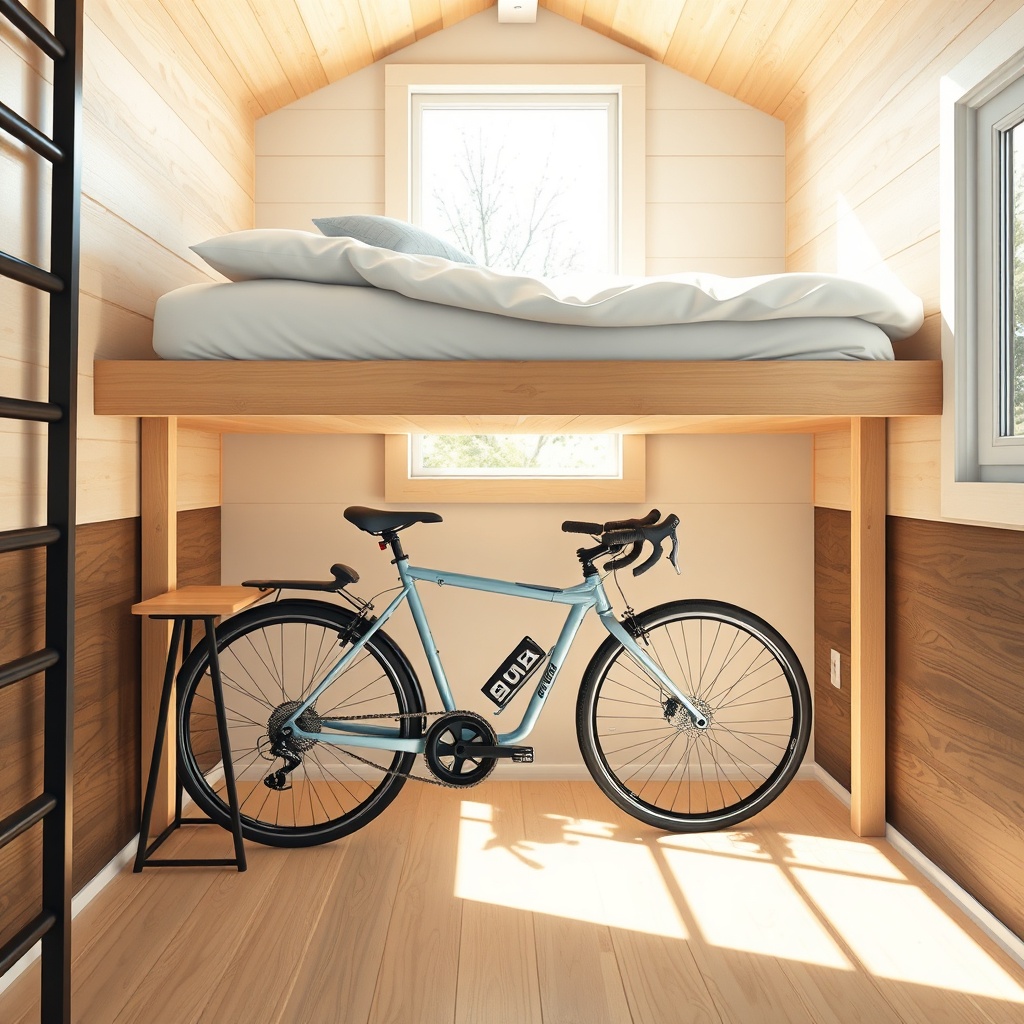
How Can You Design a Dedicated Bike Storage Nook in Your Custom Build?
Designing a dedicated nook for a folding bike starts with measuring the folded dimensions of your chosen model—typically 60 to 80 cm tall, 30 to 40 cm wide, and 50 to 70 cm deep. Tumbleweed’s custom builds allow for flexible interiors. Consider integrating a shallow alcove near the entrance, under a staircase, or adjacent to a Murphy bed. This nook can be lined with hooks or a simple shelf for the bike, plus storage for a helmet and lock.
A budget-friendly option is a sliding panel system that hides the bike when not in use. For about $200 to $400 in materials, you can create a custom cabinet with ventilation slots. Some Tumbleweed owners repurpose a corner of the kitchen or living area, using a tension rod and a canvas cover to conceal the bike. In a 2023 survey, 72 percent of tiny house dwellers rated a dedicated bike nook as “essential” for a clutter-free home.
- Location: Near the door for easy access
- Size: At least 80 cm tall, 40 cm wide, 60 cm deep
- Cost: $200–$600 for custom carpentry
- Extra: Add a charging outlet for e-bikes
What Are the Best Vertical Wall Mounts for Folding Bikes?
Vertical wall mounts are a game-changer for compact folding table ideas and bike storage alike. They lift the bike off the floor, freeing up valuable square footage. For Tumbleweed homes with high ceilings, mounts can be installed above door frames or along loft edges. The typical weight capacity is 20 to 30 kg, easily supporting most folding bikes (which average 12 to 18 kg).
A popular choice is the SteadyRack Folding Bike Holder, priced at about $89. It grips the front wheel and folds flat when not in use. Another option is the Hornit Clug, a budget-friendly wall clip for $14.99 that holds the bike by the frame. For a DIY approach, use a sturdy shelf bracket and a rubber-coated hook—costing under $20. Always anchor mounts into studs or use heavy-duty drywall anchors for safety.
| Mount Type | Price Range (USD) | Weight Capacity | Space Saved |
|---|---|---|---|
| SteadyRack | $85–$95 | 30 kg | Full floor |
| Hornit Clug | $12–$18 | 20 kg | Moderate |
| DIY Shelf Bracket | $10–$25 | 25 kg | Good |
| Ceiling Hoist | $40–$70 | 35 kg | Excellent |
When installing, consider placing the mount near a door for quick rides. Avoid blocking windows or electrical panels. Many Tumbleweed owners pair vertical mounts with a compact rain barrel option to keep cleaning gear nearby.
How Can You Integrate Bike Storage with Other Necessities Like Bathrooms and Kitchens?
Creative integration is key. In a Tumbleweed tiny house, the bathroom and kitchen often have unused vertical space. For instance, you can install a folding bike mount inside a space-saving bathroom vanity. If the vanity has a hollow base, a folded bike can slide in behind a false panel. This works best with slim folding bikes like the Brompton, which folds to 58 cm tall.
In the kitchen, consider a pull-out drawer under a countertop or next to a compact composting toilet. The drawer can be custom-built with slots for the bike’s tires and a built-in lock. Some Tumbleweed owners use a vertical cabinet beside the refrigerator—the bike hangs on a rail system that slides out. This approach costs about $300 to $500 in materials but adds no extra floor space.
Another idea is to repurpose a pantry closet. By removing shelves and adding a horizontal slot, a folding bike can rest on its side. Pair this with a magnetic strip for tools. A survey by Tiny House Magazine found that 45 percent of tiny home owners use their kitchen or bathroom area for bike storage, citing convenience and minimized clutter.
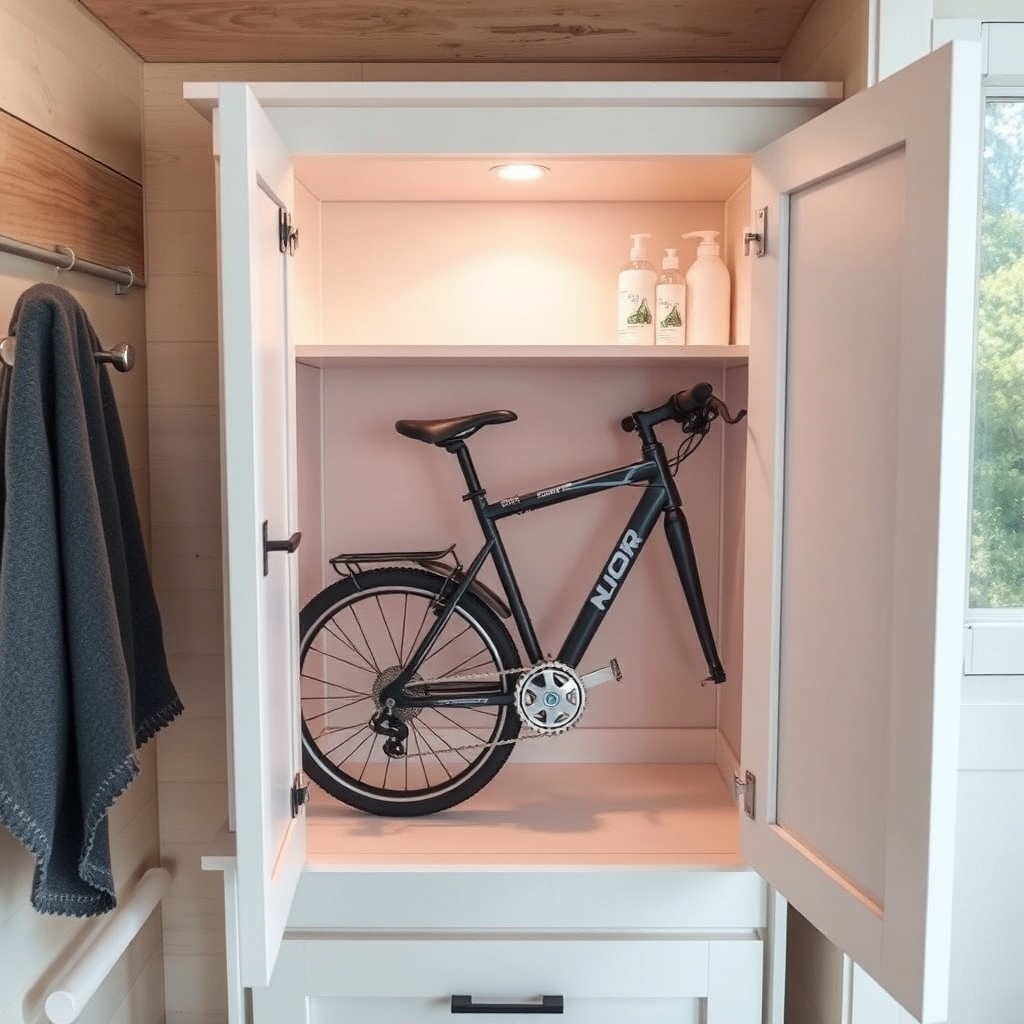
What Role Do Accessories Play in Maximizing Folding Bike Storage?
Accessories can transform bike storage from functional to seamless. A wall-mounted helmet rack, for example, keeps gear together. The Delta Cycle Helmet and Lock Hanger costs $24.99 and holds two helmets plus a lock. A magnetic bike light holder or a small shelf for a repair kit can be attached directly to the bike mount. For $15 more, you can add a hook for a reusable shopping bag—perfect for errands.
Consider a collapsible bike basket that attaches to the frame when riding and folds flat when stored. These baskets range from $20 to $50. A bike pump with a wall mount is another smart addition. For Tumbleweed homes, a small air compressor under the sink can prevent clutter. Accessories should be chosen for dual purpose—like a towel that doubles as a bike cover. Budget an extra $50 to $150 for accessories to keep everything organized.
What Owners Say
Tumbleweed homeowners consistently praise folding bike storage as a game-changer. Sarah L., from a Tumbleweed Cypress model in Oregon, says: “I built a vertical mount behind my front door. The bike disappears, and I ride every day without feeling cramped. It cost me $80 and an afternoon.” Mark T., living in a Tumbleweed Fencl in Colorado, shares: “I use a pulley system above my loft bed. The bike hangs flat, and I have room for a yoga mat below.” Many owners note that the integration of bike storage with other systems—like compact solar-powered water heaters or solar charging stations—makes the home more efficient. The consensus: with planning, a folding bike fits seamlessly into tiny living, enhancing mobility without sacrificing comfort.
Frequently Asked Questions
1. Can any folding bike be stored in a Tumbleweed custom build?
Most folding bikes fit, but measure your model’s folded dimensions. Models like the Brompton (58 cm tall) and Dahon Mariner (75 cm tall) are popular due to small fold sizes.
2. How much does custom bike storage add to a Tumbleweed build?
A simple wall mount costs $15–$100. A built-in nook or cabinet may add $200–$800 to your build cost, depending on complexity and materials.
3. Is it safe to store a folding bike near water sources?
Yes, if using stainless steel or coated hooks. Keep the bike dry to prevent rust, and consider a waterproof cover for outdoor storage.
4. Can I install bike storage after my Tumbleweed is built?
Yes. Many solutions are retrofit-friendly, such as wall mounts and ceiling hoists. Just ensure you attach to studs or suitable anchors.
5. Does bike storage affect home resale value?
It can positively impact resale, especially among eco-conscious buyers. A dedicated bike nook is considered a premium feature in tiny homes.
6. What is the best folding bike brand for Tumbleweed homes?
Brompton and Dahon are top picks due to compact folds and durability. Tern is another solid choice. Fit depends on your storage space and riding needs.