Forest River Rockwood Geo Pro G16BH: Compact Washer-Dryer Options for Tiny Living
When you’re living in a Forest River Rockwood Geo Pro G16BH, every inch of space counts, and the bathroom-laundry area often becomes a puzzle. Many owners discover that the standard setup lacks a dedicated washer-dryer, but with the right compact solutions, you can bring laundry convenience into your tiny home. This guide explores washer-dryer options tailored for the G16BH, helping you balance space, efficiency, and practicality without sacrificing your living experience.
Can a Standard Washer-Dryer Fit in the Forest River Rockwood Geo Pro G16BH?
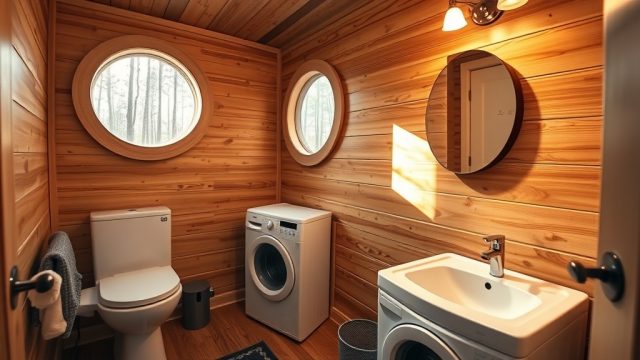
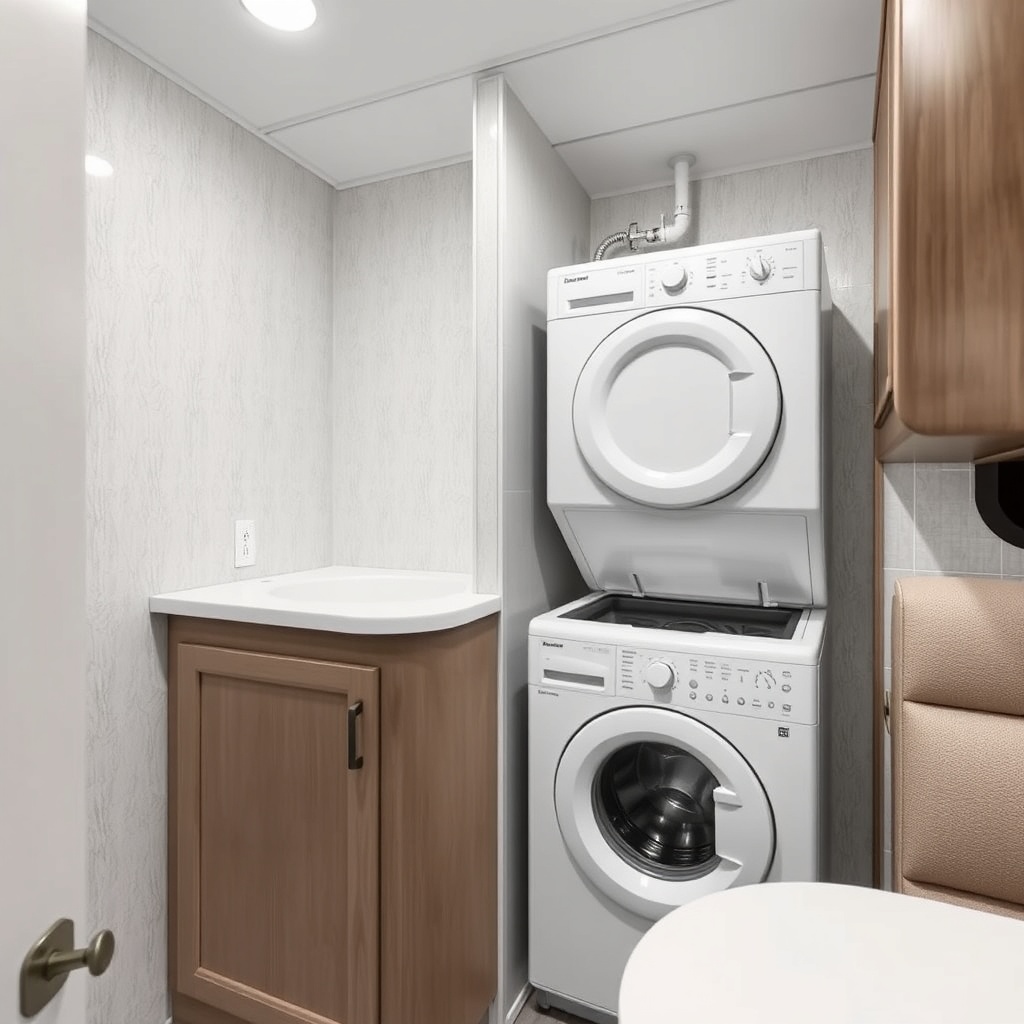
The short answer is no, not a full-size unit. The Forest River Rockwood Geo Pro G16BH has a bathroom that measures roughly 3 feet by 4 feet, including the shower, toilet, and sink. Standard front-load washers (typically 27 inches wide) simply don’t fit. However, compact and combo units designed for RVs can work if you’re willing to adapt the space.
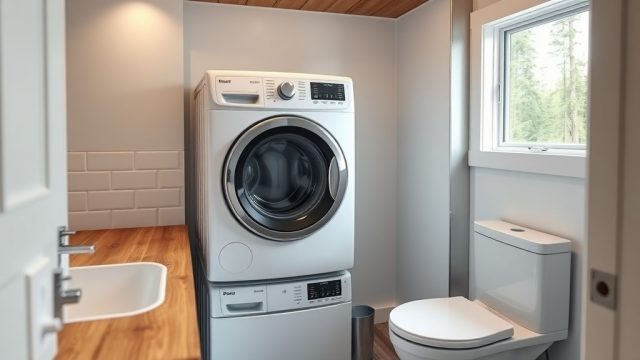
Most owners who successfully integrate a washer-dryer in the G16BH opt for a stackable or all-in-one RV model. For example, a Splendide 2100XC (23 3/8 inches wide) can be placed in a custom cabinet next to the shower. You’ll need to modify the existing cabinetry or install a slide-out platform. The key is measuring your bathroom’s clear width—often 30 to 32 inches after removing a small vanity or shelf. A compact unit requires at least 24 inches of width, 22 inches of depth, and 33 inches for height clearance.
Consider the weight: a loaded compact washer-dryer combo adds about 150 pounds, so check your G16BH’s floor load capacity (typically 1,000 pounds per axle). Placing it near the bathroom’s structural wall is best. Many owners reinforce the floor with plywood before installation.
What Are the Top Compact Washer-Dryer Models for the G16BH?
Not all compact units are created equal for tiny living. Below is a comparison of three popular models that owners have successfully installed in the Forest River Rockwood Geo Pro G16BH. Prices in USD reflect 2025 averages.
| Model | Type | Dimensions (W x D x H) | Capacity | Weight | Power Requirement | Price (USD) |
|---|---|---|---|---|---|---|
| Splendide 2100XC | Vented Combo | 23.38″ x 22.25″ x 33.25″ | 12 lbs | 150 lbs | 120V, 15A | $1,400–$1,600 |
| Haier HLC1700AXS | Vented Combo | 24″ x 24″ x 33.5″ | 13 lbs | 160 lbs | 120V, 15A | $1,200–$1,400 |
| Panda PAN56MGP2 | Portable Compact | 22.5″ x 21.7″ x 31.5″ | 10 lbs | 125 lbs | 120V, 10A | $800–$1,000 |
The Splendide 2100XC is the most installed model in the G16BH community because of its slim width and reliable RV-specific build. The Haier offers a slightly larger drum but at the cost of a wider footprint. The Panda is a budget-friendly portable option that doesn’t require permanent plumbing—ideal if you’re hesitant about modifications. For deeper insights on powering these units, check our Forest River Rockwood Geo Pro G16BH: Solar Power Setup Guide to see if your electrical system can handle a 15-amp draw during off-grid use.
How Do You Handle Plumbing and Venting for a Washer-Dryer in the G16BH?
Plumbing the washer-dryer in the G16BH bathroom requires creativity. The stock bathroom has a toilet, shower, and sink drain lines running under the floor. You can tap into the sink drain line (typically 1.5 inches) using a wye fitting, but ensure you add a vent pipe to prevent siphoning. For water supply, many owners install a tee on the existing cold water line under the sink. A compact washer typically needs both hot and cold water, but if your model only uses cold, you can cap the hot side.
Venting is the trickiest part for vented combos like the Splendide. You must run a 4-inch duct to an exterior wall. Some G16BH owners install the unit against the bathroom’s exterior wall (usually the street side) and cut a vent cover. For models with a condenser dryer (like the Splendide 2100XC in vent-free mode), you skip the duct but still need a gravity drain for condensed water. Portable units like the Panda require only a sink connection, which simplifies installation.
Consider adding a shutoff valve for easy maintenance. If you’re worried about leaks, use flexible braided hoses and a waterproof pan under the unit. Many owners also install a Forest River Rockwood Geo Pro G16BH: Top Space-Saving Kitchen Gadgets folding drying rack nearby to maximize utility.
What Are the Electrical Considerations for Running a Washer-Dryer in the G16BH?
The Geo Pro G16BH standard electrical system includes a 30-amp shore power connection and a 12V battery bank. A compact washer-dryer combo (like the Splendide) draws up to 15 amps at 120V during the heating cycle. This means you can run it on a 30-amp service, but you must manage your load. Turn off the air conditioner or microwave when the washer is on the drying cycle. Many owners install a dedicated 15-amp circuit breaker in the RV’s panel to avoid tripping.
For off-grid use, a standard battery bank (e.g., two 100Ah lead-acid batteries) will only run a washer cycle for about 30 minutes before depleting. You’ll need a robust solar setup with at least 400 watts of panels and a 2,000-watt inverter to handle the startup surge (up to 2,500 watts). Our Forest River Rockwood Geo Pro G16BH: Solar Power Setup Guide provides a step-by-step for adding enough battery capacity—lithium batteries are recommended for their higher continuous discharge rates.
If you prefer a lower-power option, consider the Panda PAN56MGP2, which draws only 10 amps. You can run it on a 1,500-watt inverter without issue. Always check the manual for surge requirements—some units spike to 1,800 watts momentarily when the dryer heats up.
Can You Install a Washer-Dryer Without Modifying the G16BH Cabinetry?
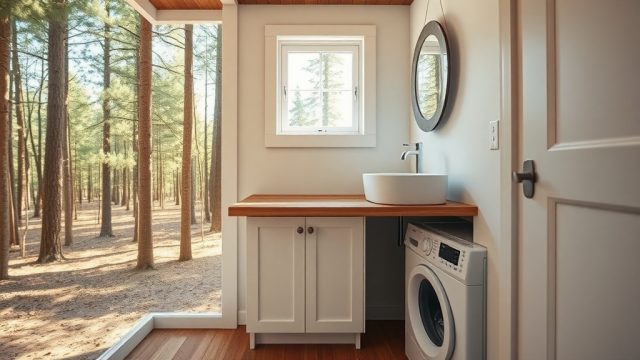
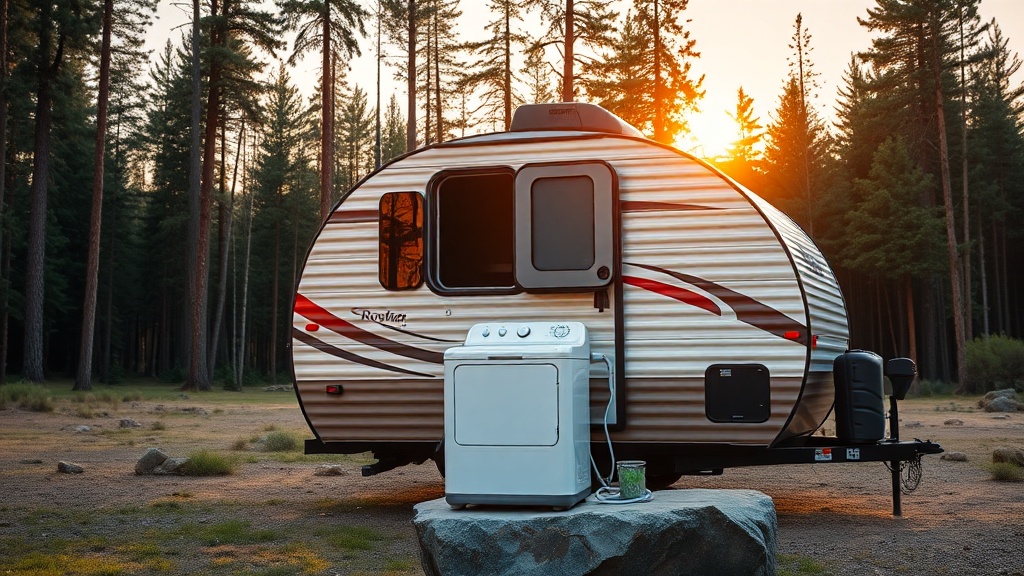
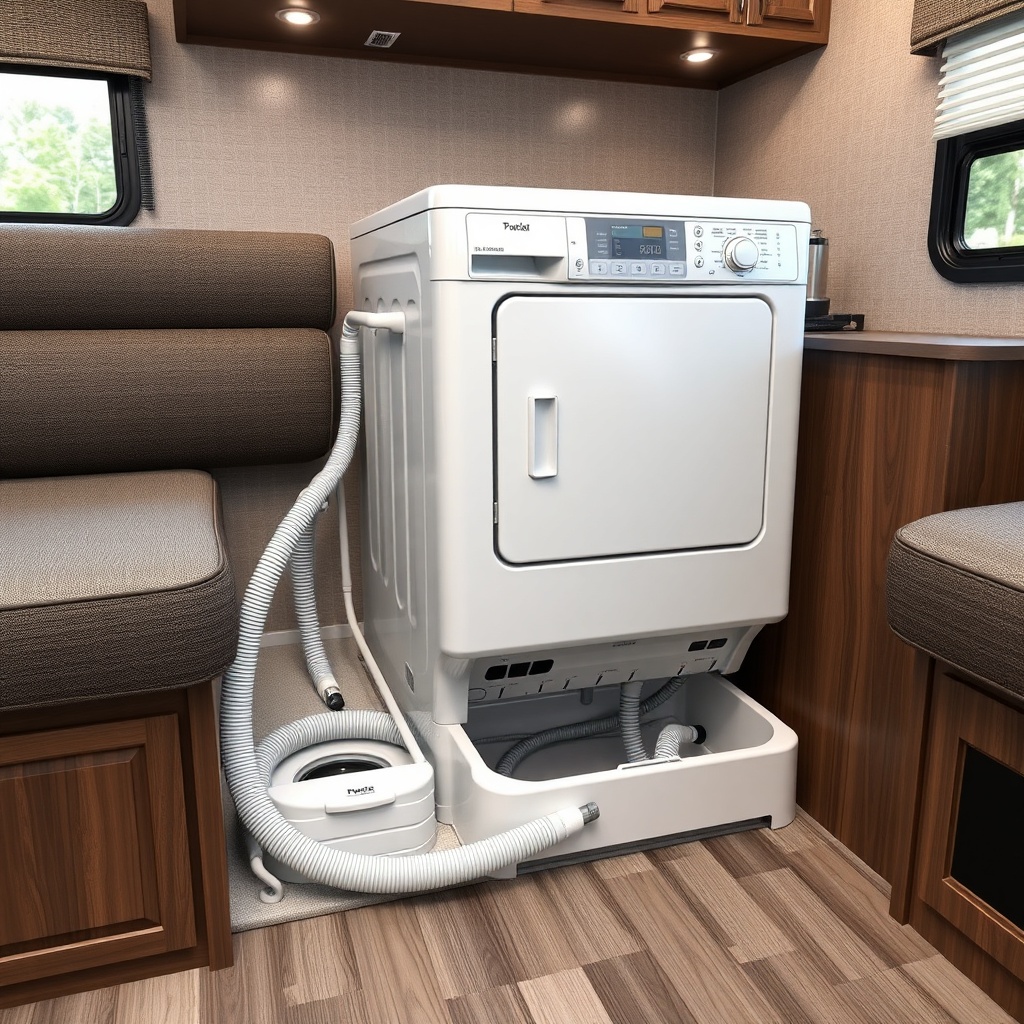
Yes, but only with portable or countertop units. The Panda PAN56MGP2 sits on a counter or floor and connects to the sink faucet via an adapter. You can stow it in the bathroom’s corner or under the dinette when not in use. This avoids cutting into the bathroom’s molded fiberglass shower or cabinets.
For permanent installations, minor cabinetry modification is typical. Many owners remove the small vanity cabinet (often 18 inches wide) next to the shower and build a custom box. Another approach is to use the space under the RV’s bed or a closet if you don’t need it for storage. A few owners have placed the unit under the dinette bench, but this requires extending the drain line. If you’re handy, you can also use a pre-made RV washer-dryer cabinet that slides out—just ensure it’s secured with latches during travel.
What Is the Cost Range for a Washer-Dryer Setup in the G16BH?
The total cost varies depending on the unit and installation complexity. Below is a breakdown in USD.
- Compact washer-dryer combo (e.g., Splendide 2100XC): $1,400–$1,600
- Portable compact (e.g., Panda PAN56MGP2): $800–$1,000
- Plumbing fittings, hoses, shutoff valve: $50–$150
- Vent kit (if needed): $30–$80
- Custom cabinet modification or slide-out platform: $200–$600 (DIY materials $100–$200, labor if hired)
- Electrical upgrade (dedicated breaker, inverter): $100–$500
- Total DIY installation: $1,000–$2,500
- Total professional installation: $2,000–$3,500
If you’re on a budget, the portable route costs under $1,200. For a permanent solution, expect to invest at least $1,800. Many owners consider this a worthwhile upgrade for full-time living, as it saves laundromat fees and time.
What Owners Say
Feedback from the Forest River Rockwood Geo Pro G16BH community on washer-dryer integration is overwhelmingly practical. On forums like Forest River Forums and RV Life, owners with permanent installations praise the Splendide 2100XC for its quiet operation and thorough drying. One owner noted, “It takes about 2.5 hours for a full wash and dry cycle, but it fits perfectly under a raised platform I built in the bathroom. I no longer have to search for laundromats.” Others with portable units highlight the convenience of taking the unit outside during summer for faster drying.
A common challenge mentioned is the drying time—compact combos don’t dry as fast as home units. Many owners recommend using a drying rack or line for bulky items. Some also report issues with lint buildup in vented models, requiring monthly cleaning. The space-saving aspect is valued highly, especially when paired with Forest River Rockwood Geo Pro G16BH: Top Space-Saving Kitchen Gadgets to free up additional storage. Overall, the consensus is that a washer-dryer is a game-changer for extended trips, even if it requires minor sacrifices in bathroom storage.
Frequently Asked Questions
1. Can the standard 12V system run a compact washer-dryer in the G16BH?
No, even a compact unit requires 120V AC power. You need a shore connection or a 2,000+ watt inverter with a lithium battery bank to run it off-grid.
2. Do I need to reinforce the floor for a washer-dryer?
Yes, especially if placing it on a slide-out or near the bathroom. Use 3/4-inch plywood under the unit to distribute the weight evenly. Check the G16BH manual for floor load limits.
3. How long does a typical wash-dry cycle take in these compact models?
Expect 2 to 4 hours for a full load. Vented models dry faster (around 2.5 hours), while vent-free can take up to 4 hours. Smaller loads reduce the time.
4. Can I install a washer-dryer if I have the G16BH slide-out version?
Yes, but you must locate the unit away from the slide-out mechanism. The bathroom is the best spot, as the slide-out typically holds the dinette or sofa.
5. Are there warranties on these installations?
Most compact washer-dryer units come with a 1-year manufacturer warranty. Modifications to your RV may void certain structural warranties, so check with Forest River or your dealer before cutting into walls or floors.
6. What if I don’t want permanent modifications?
Choose a portable model like the Panda. It requires no drilling—just a sink faucet adapter and a bucket for drainage. Store it in a closet or under the bed when not in use.