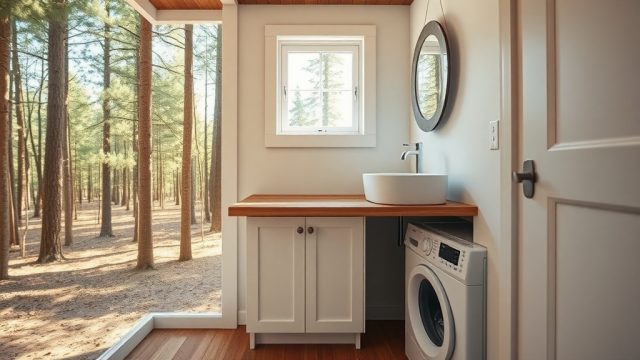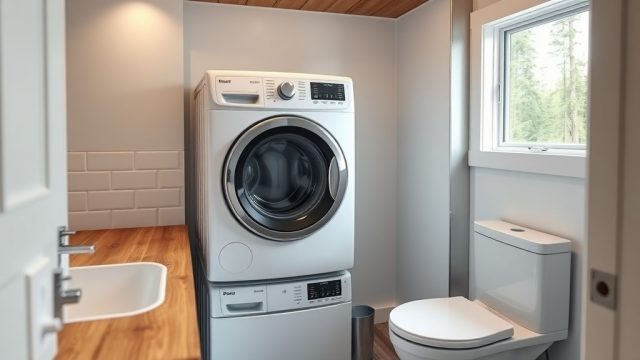
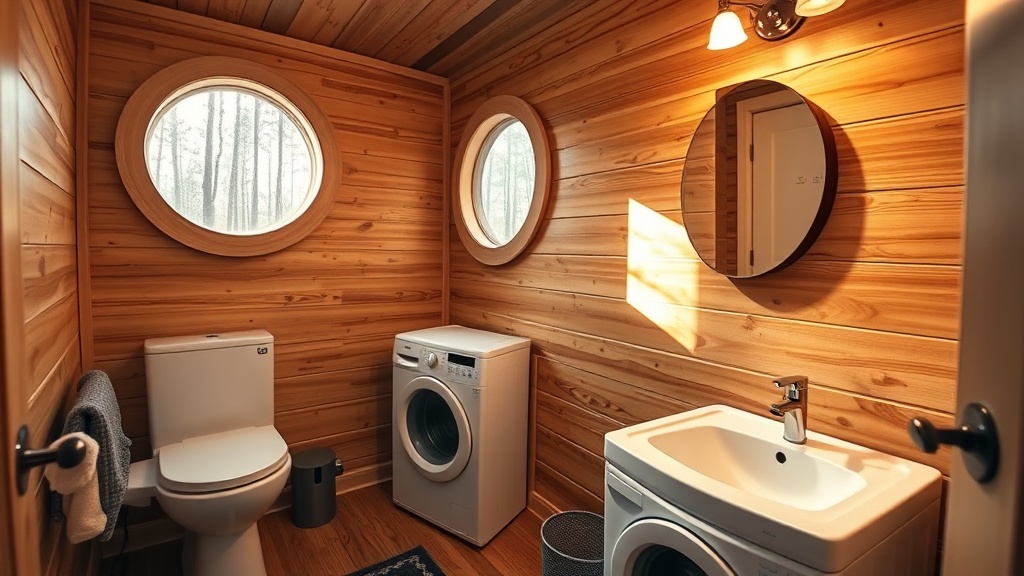
When building a Tumbleweed tiny house, every square inch counts, and the bathroom is no exception. Selecting the right composting toilet is a critical decision for off-grid functionality and odor control. This guide evaluates the best compact composting toilet options for a Tiny House Custom Build by Tumbleweed, balancing size, performance, and maintenance requirements for a truly self-sufficient tiny home.
Why Choose a Composting Toilet for a Tumbleweed Custom Build?
Composting toilets eliminate the need for a black water holding tank, plumbing connections, and chemical treatments common in RV-style setups. For a Tiny House Custom Build by Tumbleweed, where weight and space are paramount, this system frees up critical square footage in the bathroom-laundry zone. The absence of water flushes also reduces the burden on your Compact Rainwater Collection Systems for Tiny Living, making it an eco-friendly pairing.
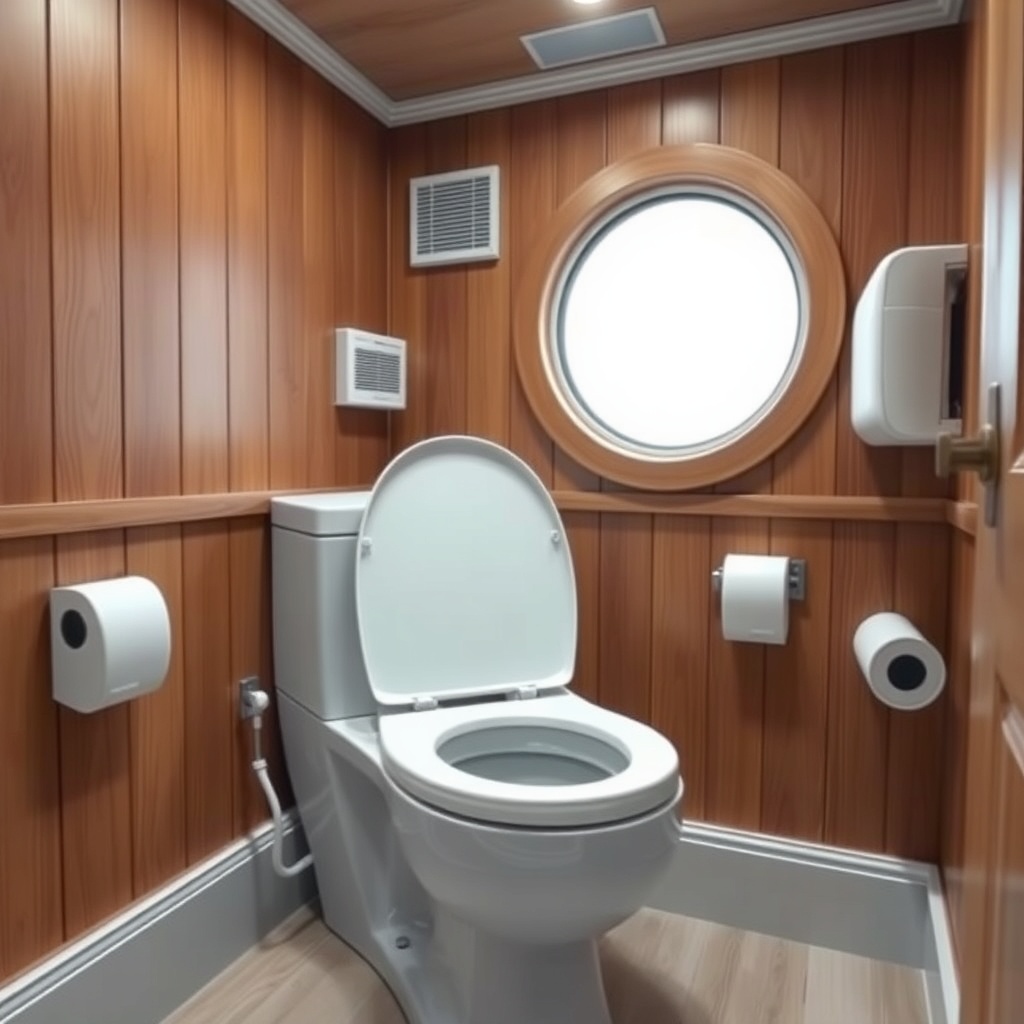
What Are the Top Composting Toilet Models for Tumbleweed Homes?
Three models dominate the tiny house market: the Nature’s Head, the Separett Villa 9215, and the Air Head 12V. Each offers distinct advantages for a Tumbleweed Custom Build. The Nature’s Head is widely praised for its reliability and large 5-gallon urine container, requiring emptying every 3–4 weeks for a single occupant. The Separett Villa 9215 uses a urine-diverting design and a 12V fan, ideal for off-grid cabins. The Air Head 12V is nearly identical to the Nature’s Head but uses a proprietary fan system that some users find quieter. For the average Tumbleweed loft layout, the Nature’s Head remains the most space-efficient, fitting into a 21-inch by 20-inch footprint.
How to Choose the Right Size and Capacity for Your Build?
The toilet must fit within your Tumbleweed’s designated bathroom-laundry zone without obstructing door swing or shower clearance. Standard Tumbleweed floor plans (like the “Lark” or “Elm”) allocate about 24 inches by 24 inches for the toilet alcove. Measure the internal dimensions of your custom build—most composting toilets require a 21-inch width minimum. The Nature’s Head is 21″ wide, 20.5″ deep, and 19.5″ tall, while the Separett Villa 9215 is slightly narrower at 17.7″ wide but taller at 22.6″. If you plan to install a Space-Saving Bathroom Vanity Idea next to the toilet, choose the Separett for a narrower fit, though it requires more vertical clearance. The table below compares key dimensions and capacities.
| Model | Width (inches) | Depth (inches) | Height (inches) | Urine Capacity (gallons) | Solid Capacity (uses) | 12V Fan | Price (USD) |
|---|---|---|---|---|---|---|---|
| Nature’s Head | 21 | 20.5 | 19.5 | 5 | 30–40 | Yes | $1,199 |
| Separett Villa 9215 | 17.7 | 19.5 | 22.6 | 4 | 25–35 | Yes | $1,099 |
| Air Head 12V | 21 | 21.5 | 20.5 | 5 | 30–40 | Yes | $1,250 |
What Are the Installation Requirements for Tumbleweed Bathrooms?
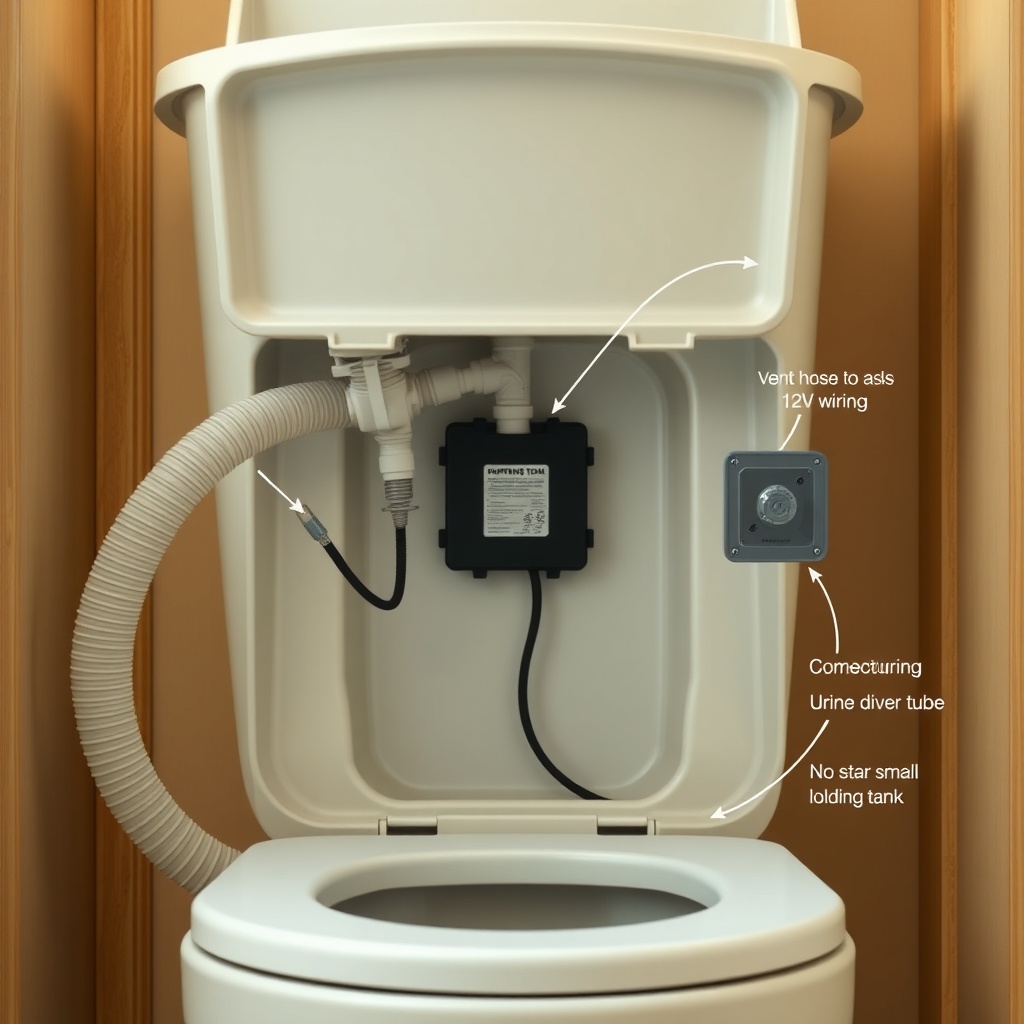
Installation for a Tiny House Custom Build by Tumbleweed involves three key steps: venting, power, and securing the unit to the floor. All composting toilets require a 3-inch ventilation hose (typically routed through the roof or exterior wall) to expel odors. The Nature’s Head and Air Head need a 12V DC power source for the fan; the Separett Villa can run on either 12V DC or 120V AC. For a fully off-grid build, the 12V models are more compatible with solar systems. Secure the toilet base using stainless steel brackets bolted into the subfloor—Tumbleweed builds often use 3/4-inch plywood subfloor, which requires pilot holes and heavy-duty screws. Ensure the urine diverter hose has a gentle slope (at least 1/8 inch per foot) to prevent clogs in the small diameter tubing.
How to Maintain a Composting Toilet in a Tiny Space?
Maintenance is straightforward but requires discipline. Empty the urine container every 2–3 weeks—using a urine-diverting toilet prevents liquid from reaching the solid waste, reducing odor. Add a handful of coconut coir or peat moss after each use to absorb moisture. Every 3–4 months, empty the solid compost into an outdoor bin for final decomposition. For Tumbleweed homes with limited outdoor access, consider pairing the toilet with a Compact Rain Barrel Option to reuse graywater from the urine container for non-potable watering (though check local regulations). Daily tasks include wiping down the seat and lid with a vinegar-water solution—avoid bleach as it kills the composting bacteria. The fan should run continuously; if it stops, replace the 12V fuse or check wiring connections. A well-maintained unit should last 10–15 years with only occasional replacement of the rubber gaskets.
What Do Owners Say About These Toilets in Tumbleweed Builds?
Owner feedback on tiny house forums consistently praises the Nature’s Head for its “set-it-and-forget-it” reliability. One Tumbleweed owner on a Colorado homestead reported that after two years of full-time use, the toilet had produced zero odors when vented correctly. Another owner with a Separett Villa noted the narrower footprint allowed for a full-size vanity in a 28-foot Tumbleweed trailer. However, some owners caution that the Air Head’s fan can be slightly louder than the Nature’s Head, especially in a 180-square-foot home where everything resonates. Common complaints across all models include the need to maintain a clean urine diverter and the occasional difficulty finding replacement peat moss in remote areas. For those integrating the toilet with a Compact Folding Table Idea in the bathroom-laundry area, the Separett’s vertical profile works best, as it leaves counter space open for folding laundry.
Frequently Asked Questions
Can I use a composting toilet in a tiny house on a trailer?
Yes, composting toilets are ideal for mobile tiny homes because they don’t require a permanent connection to septic or sewer. The Tumbleweed trailer’s frame can support the weight (about 40–50 pounds when empty). Secure the unit during travel with ratchet straps to prevent tipping.
How often do I need to empty the solid waste compartment?
For a single person using the toilet full-time, the solid waste compartment typically needs emptying every 4–6 weeks. For two people, expect 3–4 weeks. Use compostable liners for easier handling.
Do composting toilets smell in a tiny house?
Properly maintained units with a working fan and urine diverter produce no odor. The vent hose must be routed to the exterior, ideally through the roof with a mushroom cap. Without venting, smells can accumulate in the small bathroom space.
Can I install a composting toilet myself in a Tumbleweed build?
Yes, the installation is DIY-friendly with basic tools: a drill, jigsaw for the vent hole, and wire strippers for the 12V connection. Tumbleweed provides detailed framing plans that include utility chases, making it straightforward to route the vent hose through wall cavities.
What backup system should I have for off-grid trips?
For extended off-grid use, carry a spare urine bottle (2-gallon container) and a bag of coconut coir. If the 12V fan fails, a 12V computer fan from an electronics store can be temporarily wired as a replacement. A backup Compact Wine Fridge Option (if installed) can also serve as emergency storage for vacuum-sealed waste bags, though this is not ideal.
How much does a composting toilet add to the build cost?
Expect to pay between $1,099 and $1,250 USD for the toilet unit, plus $100–$200 for venting components (hose, roof flange, fan wiring). Total cost is about $1,300–$1,500 USD, which is comparable to a basic RV toilet and black water tank system when factoring in installation labor savings.