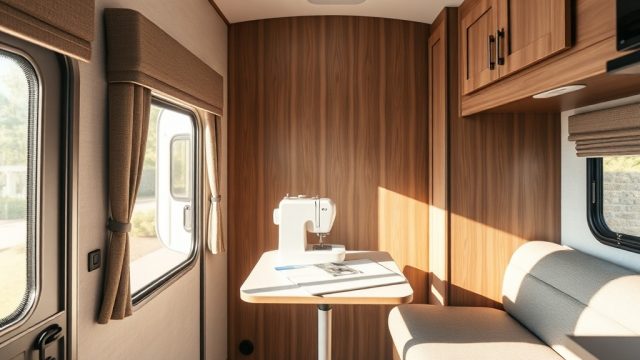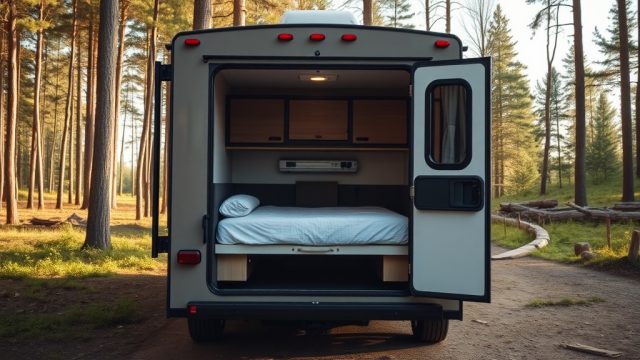
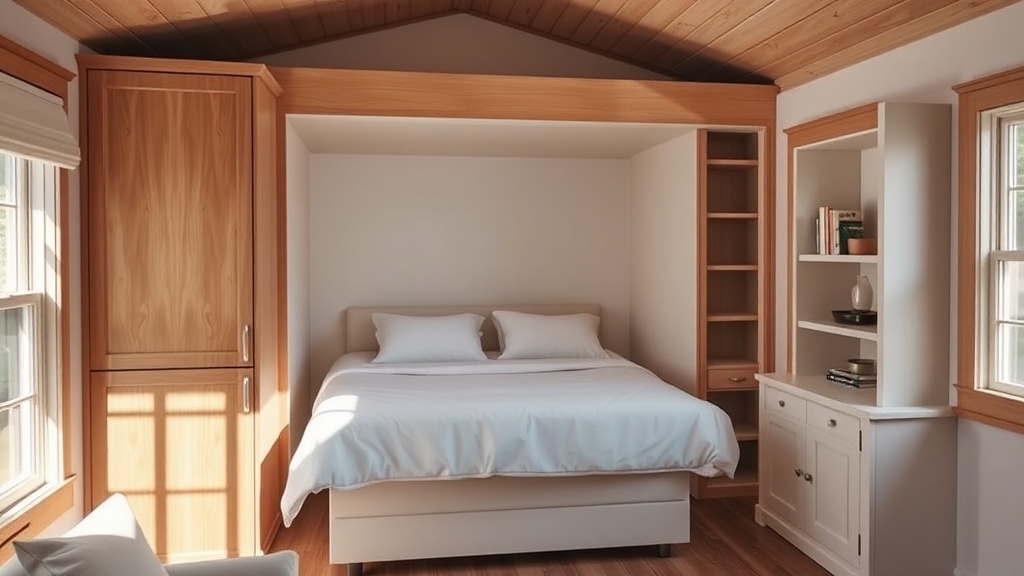
Why Choose a Murphy Bed for a Tumbleweed Tiny House?
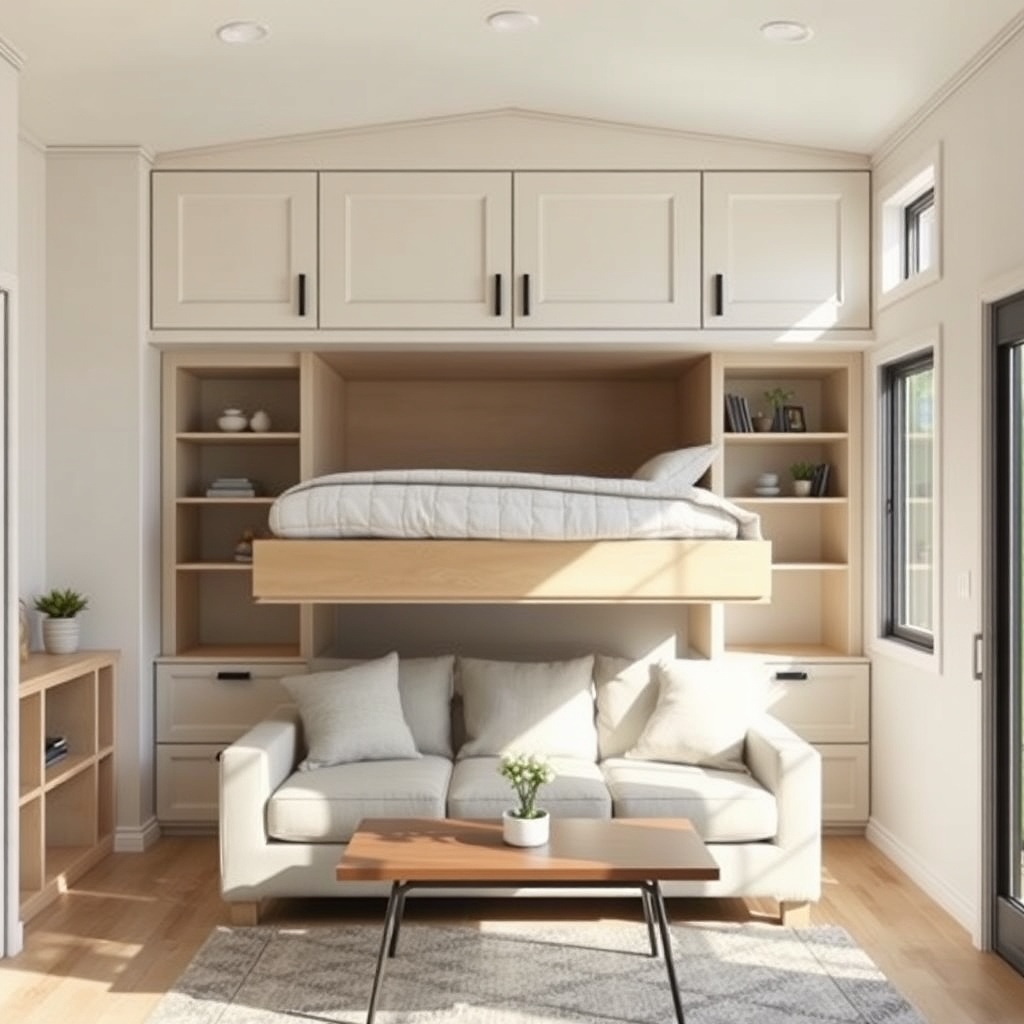
When planning a Tiny House Custom Build by Tumbleweed, every square inch must earn its keep. The bedroom, often the most space-hungry zone, presents a unique challenge. A Murphy bed—also known as a wall bed—solves this by folding vertically or horizontally into a cabinet when not in use, freeing floor space for a home office, dining area, or yoga corner. For Tumbleweed owners, integrating a high-quality Murphy bed is not just about saving space; it’s about maintaining the open, airy feel that makes tiny living joyful. Below, we explore the most ingenious Murphy bed ideas tailored specifically for Tumbleweed’s compact floor plans, from the Cypress to the Elm.
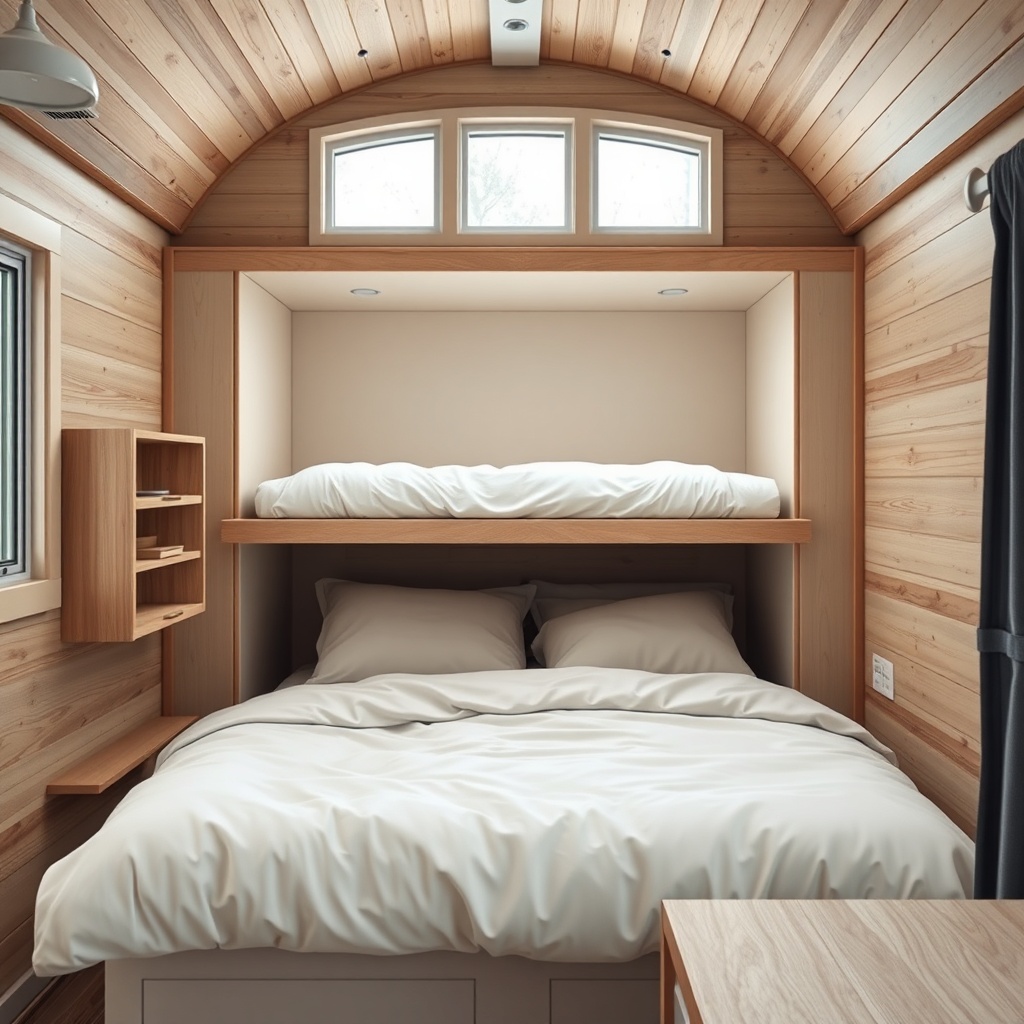
What Are the Best Murphy Bed Mechanisms for Tumbleweed Models?
The mechanism is the heart of any Murphy bed. For a Tiny House Custom Build by Tumbleweed, you need a system that is reliable, easy to operate, and safe. Standard piston-driven beds work well, but the best choice depends on room dimensions and ceiling height. Below is a comparison of the top three mechanisms for Tumbleweed homes.
| Mechanism Type | Best For | Weight Capacity | Price Range (USD) | Installation Difficulty |
|---|---|---|---|---|
| Vertical Piston (spring) | Ceilings 8 ft or higher; standard twin/full | 500–700 lbs | $800–$1,500 | Moderate |
| Horizontal Piston (side-fold) | Narrow walls (under 5 ft); queen/king | 600–900 lbs | $1,200–$2,200 | High |
| Electric Lift (motorized) | Accessibility needs; heavy mattresses | 700–1,000 lbs | $2,500–$4,000 | Professional required |
For most Tumbleweed builds, a vertical piston mechanism is the sweet spot—cost-effective and space-efficient. However, if you plan to install a queen-size bed in an Elm model’s loft-adjacent wall, a horizontal piston system can maximize width. Electric lifts offer convenience but require careful planning for power outlets and wall reinforcement.
How to Integrate a Murphy Bed with Built-In Storage?
In a Tiny House Custom Build by Tumbleweed, a Murphy bed should double as a storage powerhouse. The best designs incorporate shelving, cabinets, or even a fold-down desk into the bed frame. Consider these storage ideas:
- Open shelving on the sides: Use the vertical space around the bed for books, plants, or decorative bins. This keeps the room feeling open while stowing everyday items.
- Base cabinet with drawers: Build a shallow drawer unit (6–8 inches deep) under the bed platform. Perfect for linens, off-season clothes, or kitchen overflow.
- Fold-down desk attachment: Some Murphy bed frames come with a hinged desktop that flips down when the bed is up. This creates a home office that disappears at night.
- Headboard cubbies: Add custom cubbies above the bed for phones, glasses, and charging stations. Ensure they are shallow enough to not interfere with the mattress when folded.
For Tumbleweed’s Cypress model (circa 20 ft), a Murphy bed with side shelving can replace a bulky dresser. Pair it with a compact folding table from our Compact Folding Table Ideas for Small Spaces guide to create a multipurpose living area.
What Are the Top Murphy Bed Kits for Tumbleweed Builders?
Pre-made kits simplify the build process for DIY homeowners. For a Tiny House Custom Build by Tumbleweed, look for kits that offer customization without breaking the bank. The top three kits for 2025 include:
- OES Murphy Bed Kit (Vertical, Twin): Priced at $799 USD, this steel-frame kit supports up to 600 lbs and includes a simple spring piston mechanism. Ideal for tight spaces like a 12-foot Tumbleweed model.
- Bestar Wall Bed (Queen, Horizontal): Bestar’s Premier model costs $1,899 USD and features a high-quality piston system with a solid wood cabinet. It fits walls as narrow as 58 inches, making it great for the Tumbleweed Elm.
- Custom DIY Kit by Murphy Bed Central (Full, Vertical): At $949 USD, this kit uses heavy-duty gas pistons and includes a pre-cut cabinet shell. It requires final assembly with your choice of birch or oak plywood.
When selecting a kit, verify that the bed’s closed depth (usually 16–20 inches) does not protrude too far into your tiny house’s walkway. A flush mount installation—where the bed cabinet sits flush with the wall—saves precious inches.
How to Source a Murphy Bed for a Tumbleweed Loft or Main Floor?
Placement matters. Tumbleweed homes typically feature a loft bedroom above the kitchen or living area, but many owners install a Murphy bed on the main floor for easier access. For lofts, a standard mattress on a platform is common, but a Murphy bed in the main living area makes the space convertible. Consider these sourcing tips:
- Main floor installation: Choose a wall with at least 4 feet of clear space in front of the bed for folding. Bedbath & Beyond or Wayfair offer options under $1,200 USD. Confirm the bed folds downward (standard vertical) to avoid hitting ceiling lights.
- Loft alternative: For Tumbleweed models with low loft ceilings (under 5 ft), a Murphy bed is not practical. Instead, use a Japanese-style floor mattress (futon) that stores in a cabinet. However, some custom builders add a Murphy bed to the loft wall, folding up to reveal a hallway.
- Professional vs. DIY: If you hire a tiny house contractor, a custom Murphy bed can be built into the house’s framing. Expect to pay $2,500–$5,000 USD for a fully integrated unit with storage. A DIY kit saves money but requires precise measurement—one mistake can waste the entire budget.
For ideas on matching your bathroom vanity with the Murphy bed’s wood finish, read our Space-Saving Bathroom Vanity Ideas article.
What Materials and Finishes Work Best with Tumbleweed Aesthetics?
Murphy beds should complement the warm, Scandinavian-inspired look of most Tumbleweed builds. Popular material choices include:
- Birch plywood: Light, strong, and affordable. Painted white or left natural, it matches the typical Tumbleweed interior.
- Solid oak: Heavier and more expensive (adds 30–50 lbs), but offers a premium feel. Perfect for a farmhouse-style Cypress model.
- Melamine laminate: Budget-friendly (under $200 for a kit shell) and comes in white or light gray. Easy to clean but less durable over time.
- Reclaimed wood: Sustainable and unique. Expect to pay $2,000+ for a custom reclaimed wood Murphy bed frame. Works well for off-grid builds.
Finish the bed cabinet with a low-VOC paint or natural oil to maintain indoor air quality. For a cohesive look, coordinate the bed’s handle hardware with your kitchen cabinets. If you are planning a compact wine fridge, check our Best Compact Wine Fridge Options for Tiny Houses (Revised) guide to ensure the fridge’s venting won’t conflict with the bed’s clearance.
What Owners Say
Tumbleweed owners who installed Murphy beds report a dramatic improvement in daily functionality. Sarah and Mark, who built a 24-foot Elm model, shared: “We installed a queen horizontal Murphy bed from Bestar. During the day, our living room has a yoga mat and dining table. At night, it becomes a real bedroom. The bed takes about 30 seconds to lower.” Another owner, Jake, opted for a DIY vertical kit for his 16-foot Cypress: “It cost me $1100 total, and I built side storage cubbies. We now have space for a small desk and a chair. The bed feels sturdy, and it’s safe for my toddler—we added a lock.”
Some owners caution about the weight: “A queen-size Murphy bed with a memory foam mattress is heavy—definitely get a professional to mount it if you’re not comfortable with framing,” advises Lee from Arizona. Overall, the consensus is that a well-executed Murphy bed is a transformative investment for any Tumbleweed tiny house.
Frequently Asked Questions
1. Can I install a Murphy bed in a Tumbleweed loft with sloped ceilings?
Technically, yes, but only if the ceiling height at the bed’s folded position is at least 7 feet. For lofts with a slope, a horizontal Murphy bed that folds sideways (not downward) works best. Measure the floor-to-ceiling height at the wall first.
2. What mattress thickness works for a Tumbleweed Murphy bed?
Standard Murphy beds accept 6–8 inch mattresses. Thicker mattresses (10+ inches) may not fold properly and add weight. For tiny houses, use a 6-inch latex or memory foam mattress for the best balance of comfort and compactness.
3. How much does a custom Murphy bed add to a Tumbleweed build cost?
Including materials and professional installation, expect to add $2,500–$4,500 USD to your total build budget. A DIY kit can reduce this to $800–$1,500 USD, excluding your labor.
4. Does a Murphy bed affect the resale value of a Tumbleweed tiny house?
Yes, positively if integrated well. A high-quality Murphy bed makes the tiny house more functional for future buyers, especially those looking for a convertible living space. However, a poorly built or mismatched bed can lower value.
5. What about integrating a rain barrel system for water collection—will a Murphy bed interfere?
No direct conflict, since the rain barrel is external. However, if you place the bed on an exterior wall, ensure the wall’s plumbing (for a potential bathroom sink) is routed around the bed frame. For external water solutions, see our Compact Rain Barrel Options for Tiny Living.
6. Can I use a composting toilet under a Murphy bed?
Potentially, if the toilet is placed below the bed’s folding area—but only if the bed is raised high enough (minimum 30 inches clearance). Most owners choose to keep the composting toilet in a separate bathroom. For toilet options, read Best Compact Composting Toilet Options.