What Makes Tumbleweed Custom Build a Leader in Tiny House Water Solutions?
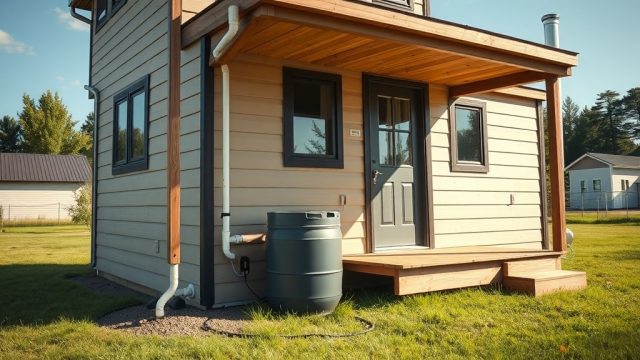
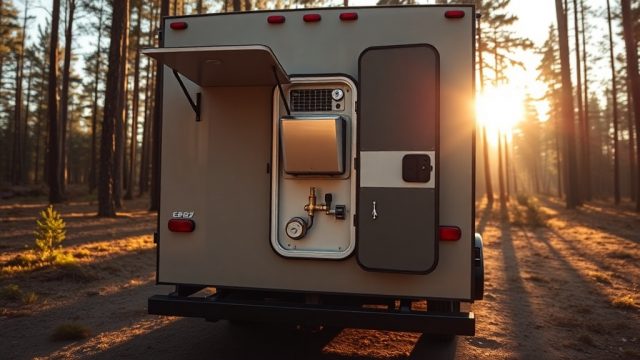
Tumbleweed Custom Build has earned a reputation for integrating compact, high-efficiency water systems into their tiny houses, particularly for off-grid living. For owners seeking reliable water filtration without sacrificing precious square footage, Tumbleweed’s approach prioritizes simplicity, durability, and minimal maintenance. This article examines the best compact water filtration systems for tiny houses, specifically those compatible with Tumbleweed’s custom builds, offering practical guidance on choosing the right setup for your mobile or stationary tiny home.
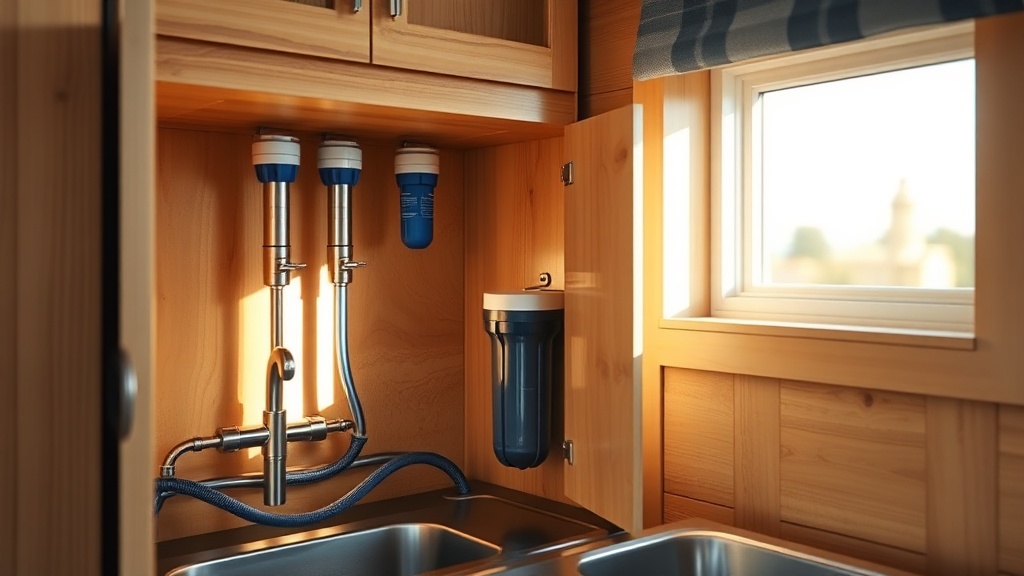
Whether you’re planning a full-time off-grid lifestyle or simply want a backup system, Tumbleweed’s engineering philosophy—focused on integrated plumbing under sinks, in walls, or behind cabinetry—makes it a natural fit for space-saving filtration units. Below, we break down top systems, real-world feedback, and maintenance tips to keep your water clean and your tiny house functional.
Which Compact Water Filtration System Best Fits Tumbleweed Custom Build Layouts?
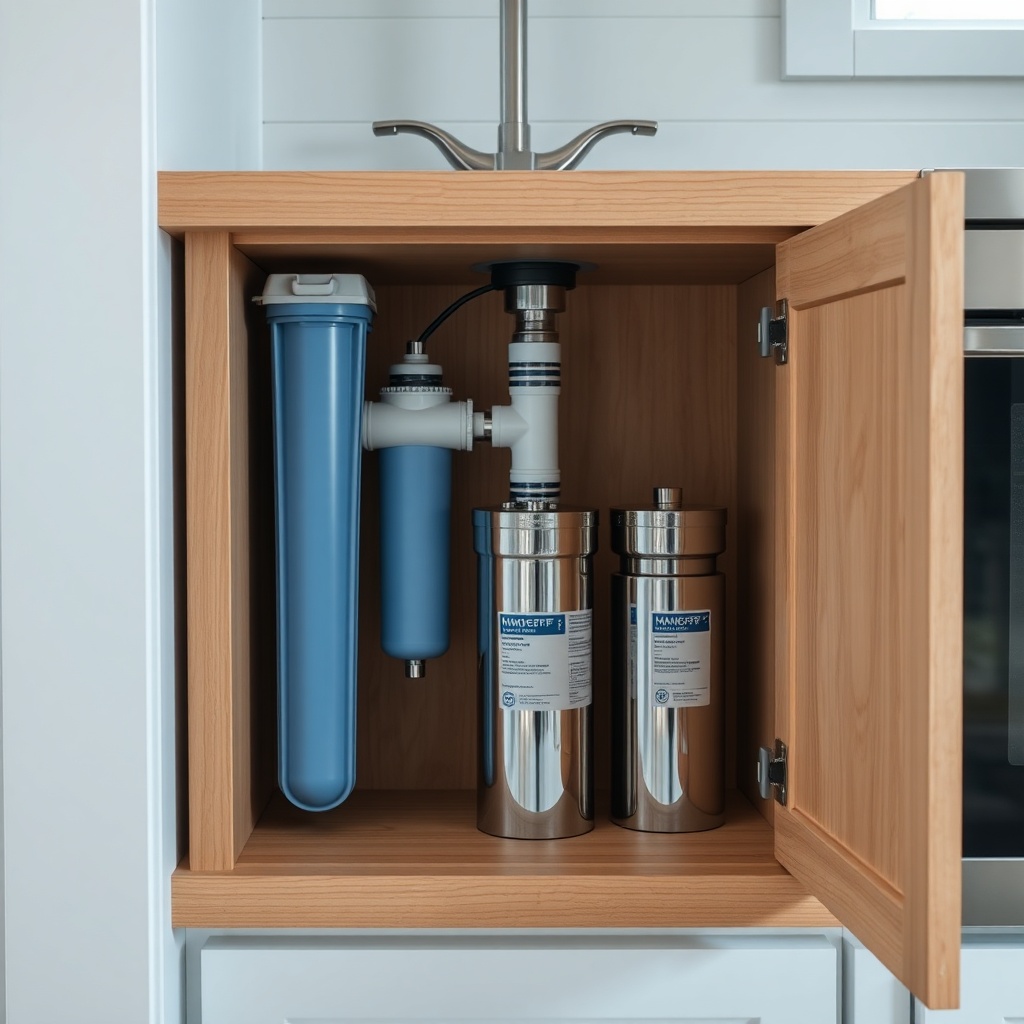
When selecting a filtration system for a Tumbleweed tiny house, you must consider the limited under-cabinet space and the need for easy access during travel. Most Tumbleweed designs, like the classic X-Series or the modern Fencl, feature either a direct-draw or gravity-fed layout. The best systems are those that can be mounted vertically or horizontally without interfering with plumbing joints. The **AquaTiny Pro Compact** is a standout choice: it measures just 8 inches by 10 inches, uses a standard 10-inch sediment cartridge and a carbon block, and offers a flow rate of 0.8 gallons per minute—ideal for a single faucet. Another excellent option is the **iSpring ICE100** countertop system, which requires no drilling and can be placed on a small shelf, perfect for Tumbleweed kitchens with minimal cabinet depth.
For Tumbleweed owners using a pumped municipal supply or a gravity tank, a **three-stage system** like the **Hydro-Logic SmallBoy** can be mounted on a wall bracket inside a utility closet. This system combines a 5-micron sediment filter, a coconut shell carbon filter, and a 0.5-micron carbon block, removing chlorine, sediment, and many contaminants. It’s compact enough to fit in a 12-inch-wide space. Always check your Tumbleweed build’s water pressure—most compact systems require a minimum of 30 PSI for optimal performance. If you have a variable-speed pressure pump, consider adding a flow restrictor to protect the filter media.
| System Model | Type | Dimensions (inches) | Flow Rate (GPM) | Filter Life (gallons) | Price (USD) | Best For |
|---|---|---|---|---|---|---|
| AquaTiny Pro Compact | Under-sink (carbon + sediment) | 8 x 10 x 14 | 0.8 | 6,000 | $89.95 | Small cabinet installation |
| iSpring ICE100 | Countertop (carbon block) | 6 x 6 x 12 | 0.5 | 3,000 | $79.99 | Drill-free installation on a shelf |
| Hydro-Logic SmallBoy | Wall-mounted (3-stage) | 12 x 8 x 14 | 0.7 | 8,000 | $129.95 | Utility closet with pump |
| Berkey Light (with PF-2 filters) | Gravity-fed countertop | 8.5 diameter x 19 tall | N/A (batch) | 3,000 (per set) | $239.00 | Off-grid emergency backup |
| AquaTiny RO-50 | Under-sink reverse osmosis | 10 x 12 x 18 | 0.3 | 12,000 | $149.99 | Removing contaminants like lead |
How to Select the Right Filtration Type for Your Tumbleweed’s Water Source
The source of your water—be it a pressurized city hookup, a gravity-fed rainwater tank, or a pulled well—dictates which filtration system works best. For Tumbleweed owners on a campground with chlorinated water, a simple carbon block filter like the **AquaTiny Pro** will suffice, removing taste and odor while preserving essential minerals. However, if you draw from a lake or untreated well, you need a **multi-stage system** that includes a sediment filter to catch dirt and sand, followed by a carbon filter for organics. A **UV sterilizer** (e.g., Viqua S200-2) can be added inline after the carbon filter to kill bacteria and viruses. This adds only 12 inches to your plumbing loop but ensures safety in remote areas.
For off-grid Tumbleweed setups using a 12V diaphragm pump, choose a system with low pressure drop—less than 5 PSI. The **Hydro-Logic SmallBoy** is rated for pressures as low as 15 PSI, making it suitable for low-voltage pumps. If you use a gravity-fed tank elevated above the roof, you might need a pump to maintain pressure through filters. Alternatively, a **gravity-fed Berkey** system can bypass the pressure issue entirely—simply fill the upper chamber manually and collect filtered water in the lower chamber. This is a popular choice for Tumbleweed owners who want a fail-safe option without relying on electricity or pumps.
What Plumbing Considerations Are Unique to Tumbleweed Custom Builds?
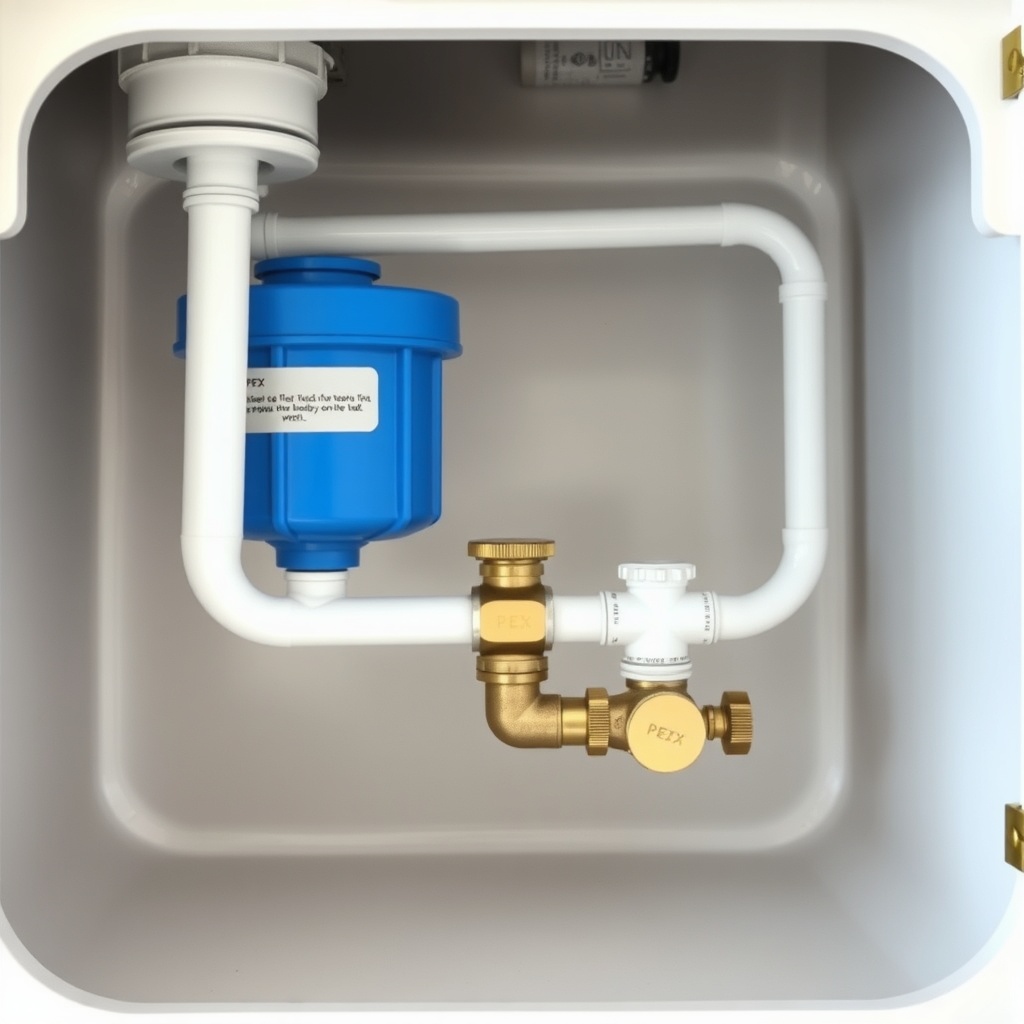
Tumbleweed’s custom builds often feature flexible PEX plumbing runs that snake through floor joists and wall cavities. This design allows filters to be installed in less conventional spots—such as under a bench seat or inside a narrow wall panel. However, access for filter changes is crucial. Most Tumbleweed owners recommend installing the filter system **on a removable panel** or in a pull-out drawer. For example, you can mount the filter housing on a 1/2-inch plywood board that slides out from under the sink. This costs about $15 in materials and saves hours of future frustration.
Another consideration is **freeze protection**. Tiny houses on wheels often experience temperature swings. If you park in a cold climate, choose a filtration system with a **built-in freeze valve** or install it inside a heated compartment. The **AquaTiny Pro** has a polypropylene housing that resists cracking in freeze-thaw cycles. Also, use brass fittings instead of plastic for connections to the main water line, as brass handles thermal expansion better. Always add a shut-off valve before the filter system to isolate it for maintenance—a simple ball valve costs under $10 at any hardware store.
How Much Maintenance Do Compact Filtration Systems Require?
Regular maintenance keeps your system efficient and your water safe. For sediment and carbon cartridge systems used daily, replace the sediment filter every 3 to 6 months (or after 1,500 gallons), and the carbon filter every 6 to 12 months. The **Hydro-Logic SmallBoy** has a user-friendly housing that twists off by hand, so no tools are needed. Clean the housing with a mild liquid soap and a soft brush every three months to prevent biofilm buildup. For **reverse osmosis** systems like the AquaTiny RO-50, change the pre-filters every 6 months and the RO membrane every 2 to 3 years. The membrane cost is about $35, and the system alerts you when output drops.
For gravity-fed systems like the Berkey, maintenance involves cleaning the ceramic elements every 3 to 6 months by scrubbing with a scouring pad and replacing the PF-2 filters annually. On Tumbleweed builds, ensure your filter housing is accessible via a small hatch—ideal for inspections. Keep a spare set of O-rings and a filter wrench on hand; a wrench costs around $8 and prevents cracking the housing from overtightening.
What Do Tumbleweed Owners Say About Their Filtration Systems?
Current Tumbleweed owners consistently praise the **AquaTiny Pro Compact** for its easy installation and minimal footprint. “I installed it under my kitchen sink in my Fencl model in 20 minutes,” reports Sarah, a full-time tiny dweller in Colorado. “The water tastes clean, and I’ve had zero leaks in two years of travel.” Another owner, James from Oregon, uses the **Hydro-Logic SmallBoy** with his rainwater catchment system: “It filters out all the leaves and sediment from my roof runoff. I can even drink water from my metal roof without worry.” Owners of the Berkey system note its reliability during power outages—a common scenario while boondocking. “I keep my Berkey on a shelf next to my stove,” says Lisa, a Tumbleweed owner in Texas. “When I’m at a grid-tied campground, I use the electric pump, but for weekend trips, the gravity-fed system is perfect.”
One recurring theme is the importance of **prefilters** for Tumbleweed builds using rainwater. Several owners recommend adding a simple in-line sediment strainer before the main filter—costing around $20—to extend cartridge life. “I had to replace my carbon filter every three months until I added a $15 prefilter,” notes Mike, who lives in his X-Series full-time. “Now it lasts eight months.” Negative feedback centers on **pressure drop** when using too many stages without a booster pump. “I tried a four-stage RO system, and my faucet flow dropped to a trickle,” says a user. “Switching to a single carbon block system fixed it.”
Frequently Asked Questions
Q: Can I install a filtration system in a Tumbleweed tiny house without professional help?
A: Yes, many compact systems are DIY-friendly. Most Tumbleweed builds come with standard PEX connections and a shut-off valve. All you need is a filter housing, tubing, and basic tools like a cutter and wrench. Systems like the AquaTiny Pro include clear instructions.
Q: How often should I change the filters in my Tumbleweed’s water system?
A: For sediment filters, change every 3–6 months. Carbon filters last 6–12 months, and RO membranes every 2–3 years. Frequency depends on water usage and source quality; if you notice a drop in flow or taste, replace them sooner.
Q: Are compact filtration systems safe for drinking water in a tiny house?
A: Yes, most cartridge systems are certified to NSF/ANSI Standard 42 (aesthetic) and 53 (health). For pathogen removal, add a UV sterilizer. Always check the system’s certification before purchase.
Q: Can I use a reverse osmosis system in a Tumbleweed?
A: Yes, but only if you have a pump to maintain pressure above 40 PSI. The AquaTiny RO-50 works well with Tumbleweed’s standard 12V pumps. Keep in mind that RO systems produce wastewater—you’ll need to route the drain line into a gray water tank or outside.
Q: What should I do to prevent freezing in my filtration system during winter?
A: Install the filter inside a heated compartment or add a pipe heat cable wrapped around the filter housing. Tumbleweed’s designs often allow for this in the utility area. Another option is to use a bypass valve to drain the system when not in use.
Q: How much does a quality compact water filtration system cost for a Tumbleweed tiny house?
A: Prices range from $80 for a basic carbon block system to $240 for a gravity-fed Berkey. Installation costs average $50–$100 for parts and tools if you DIY. Annual replacement filters run about $30 to $60.