How Does a Custom Tumbleweed Tiny House Integrate Rainwater Collection?
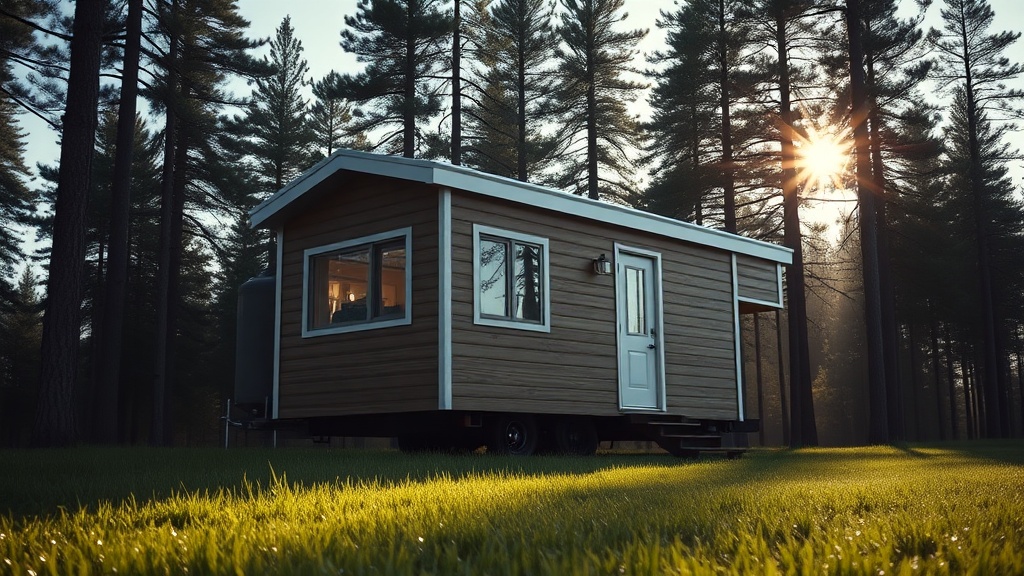
When building a tiny house with Tumbleweed’s Custom Build program, one of the most practical water-plumbing considerations is the integration of a compact rainwater collection system. Unlike traditional homes, tiny houses demand every component to serve dual purposes and fit within minimal square footage. Tumbleweed’s design philosophy prioritizes off-grid capability and self-sufficiency, making rainwater harvesting a natural fit for their custom builds.
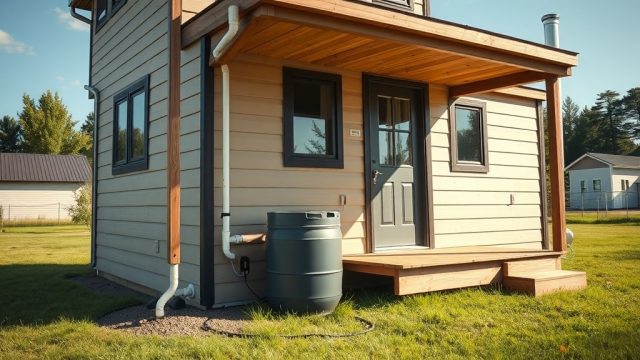
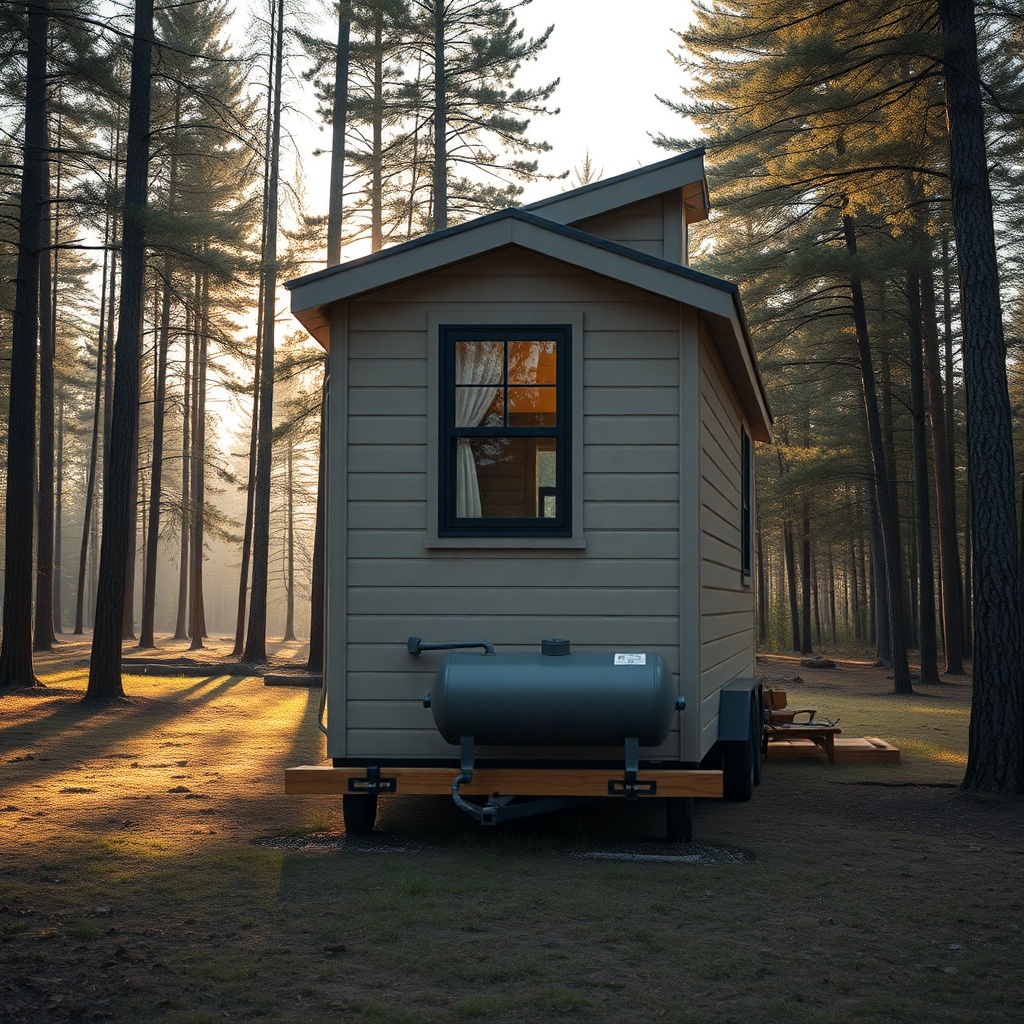
The system typically starts with a thoughtfully placed gutter and downspout assembly, running along the roofline to capture runoff efficiently. Tumbleweed’s custom builds often feature a 50-100 US gallon (190-380 liter) polyethylene tank, tucked beneath the chassis or within a crawlspace, invisible from the living areas. The plumbing runs are minimal and designed for easy maintenance, using food-grade PVC or flexible PEX tubing. A basic first-flush diverter is included to keep debris and contaminants from entering the tank, ensuring the water remains suitable for non-potable uses like irrigation or toilet flushing.
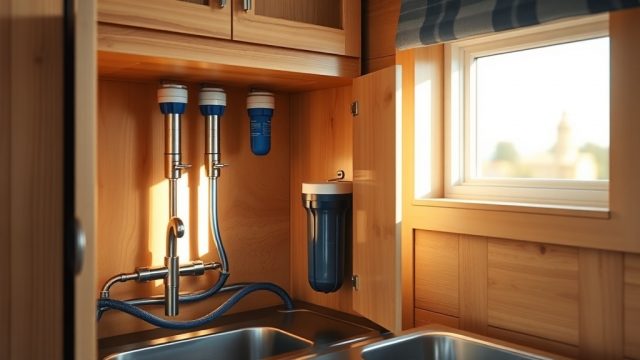
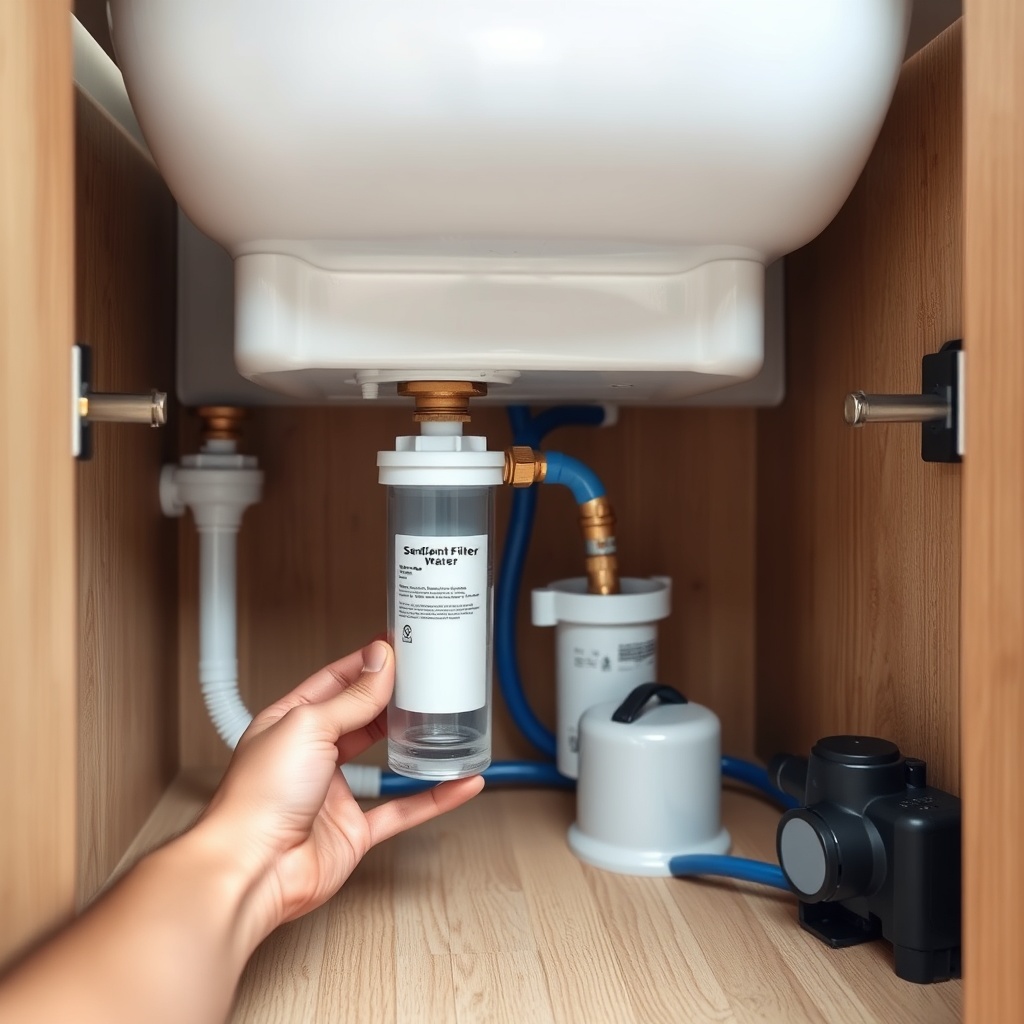
For those seeking a more advanced setup, Tumbleweed offers integration with a UV sterilization system and sediment filters, allowing collected rainwater to potable standards. This custom approach can add around $2,500 to $5,000 to the build cost, depending on tank size and filtration complexity. The system is designed to complement the home’s existing water infrastructure, connecting seamlessly to the kitchen sink and bathroom fixtures as a backup supply.
What Are the Key Components of a Compact Rainwater System for a Tumbleweed Build?
Every custom Tumbleweed rainwater collection system is built around a few essential components that maximize yield while respecting space limitations. The following table outlines the typical components and their specifications used in a standard custom build.
| Component | Specification | Estimated Cost (USD) |
|---|---|---|
| Roof Catchment Area | 120-200 sq. ft. (metal standing seam roof) | Included in build cost |
| Gutter System | Aluminum or stainless steel, 4-inch profile, with leaf guards | $300 – $600 |
| First-Flush Diverter | 2-3 gallon capacity, automatic draining | $150 – $300 |
| Storage Tank | Polyethylene, 50-100 gallons, UV-resistant | $400 – $900 |
| Sediment Filter | 20-micron, 1/2-inch connections | $50 – $100 |
| UV Sterilizer (optional) | 10-12 gallons per minute, 12V DC | $350 – $700 |
| Pump | 12V diaphragm pump, 3-5 GPM | $150 – $250 |
| PEX Tubing & Fittings | 1/2-inch, food-grade | $100 – $200 |
The total system cost, excluding installation labor, typically ranges from $1,500 to $3,050 for a fully functional non-potable setup. Adding potable-grade treatment doubles the filtration investment. Tumbleweed’s team mounts the tank on a custom steel frame welded to the trailer’s chassis, ensuring it remains secure during transport and meets weight distribution constraints.
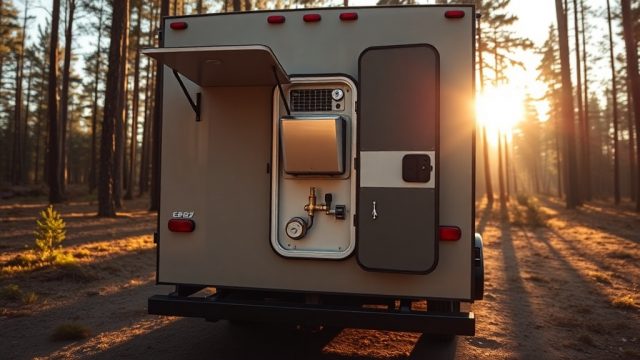
Space is also allocated for a small pump and control panel, often housed in a weatherproof box near the tank. This setup allows owners to switch between city water hookup and rainwater supply with a simple valve turn, a flexibility crucial for mobile tiny living.
How Does Rainwater Collection Affect the Plumbing Layout in a Custom Tumbleweed?
Integrating rainwater collection into a Tumbleweed custom build requires a rethinking of the standard plumbing layout. Unlike traditional homes where water comes from a single municipal line, the tiny house employs a dual-supply system. The rainwater tank feeds into a dedicated branch that connects to the toilet, outdoor spigot, and potentially the washing machine, while the city water line serves sinks and showers for potable needs.
This separation is achieved through a backflow prevention valve and a check valve, both of which are mandatory in Tumbleweed’s designs to prevent cross-contamination. The plumbing runs are kept short and straight, often using flexible PEX to snake around the Tumbleweed Custom Build: Top Bathroom Storage Hacks for Tiny Houses and beneath the kitchen cabinet. The pump is typically mounted on a vibration-dampening pad near the tank, with easy access for winterization, a critical step in cold climates.
Tumbleweed also incorporates a gravity-fed overflow system from the tank, directing excess water away from the foundation to prevent soil erosion. The entire plumbing network is designed to be serviceable without removing walls or flooring, using access panels at key junctions. Owners can expect about 3-5 gallons per minute flow rate from the pump, sufficient for low-flow fixtures but less than city water pressure, which requires aerated faucets for comfort.
What Are the Water Savings and Efficiency Gains from a Custom Tumbleweed System?
The primary driver for many custom Tumbleweed owners is independence from municipal water, especially when parking in remote or off-grid locations. A typical 200-square-foot roof in a region with 30 inches of annual rainfall can collect roughly 3,700 gallons per year. With daily water use in a tiny house averaging 30-50 gallons (including low-flow fixtures), this harvested water can cover a significant portion of the household’s total demand, especially non-potable uses.
Efficiency gains come from using low-flow faucets, a Tumbleweed Custom Build: Best Compact Refrigerator Options for Tiny Houses that minimizes heat generation, and a high-efficiency composting toilet or incinerating toilet that eliminates the need for flush water entirely. The Tumbleweed team often recommends pairing the rainwater system with a Tumbleweed Custom Build: Best Compact Dryer Options for Tiny Houses that uses ventless condensation tech to conserve both water and energy. This holistic approach to water management can reduce reliance on city water by up to 80% in wetter climates.
For owners with Tumbleweed Custom Build: Best Compact Solar Generators for Tiny Houses, the rainwater pump and UV sterilizer can be powered entirely off-grid, making the entire water system self-sustaining. The cost savings are cumulative: municipal water bills drop to near zero, and the system’s durability means replacement components are rare, typically lasting 10-15 years with proper maintenance.
What Are the Challenges and Maintenance Needs for a Compact Rainwater System in a Tumbleweed?
While rainwater collection brings many benefits, it is not without challenges, especially in the confined space of a Tumbleweed custom build. The primary hurdle is water quality maintenance. Even with a first-flush diverter and sediment filter, debris like leaves, bird droppings, and dust can accumulate on the roof. Regular cleaning of gutters and downspouts every three to six months is essential, as is periodic tank sanitization with diluted bleach or hydrogen peroxide every two years.
Another challenge is winter use. In freezing temperatures, exposed pipes and the tank can crack. Tumbleweed’s design includes heat tape on exposed piping and a drain valve for the tank, but owners in cold climates must either move to a warmer parking spot or use a heated enclosure for the tank. This adds complexity and potential energy costs. Additionally, the 50-100 gallon tank capacity means that during extended dry spells, owners must supplement with trucked-in water or city hookups. The system is designed for redundancy, not total independence.
Maintenance also involves checking the pump strainer monthly, testing water pH and bacterial levels quarterly for potable systems, and replacing UV bulbs annually. While these tasks are manageable for most DIY-inclined owners, they require a commitment to regular inspection. Tumbleweed provides a detailed maintenance manual with every custom build, and their customer support team is available for troubleshooting via video calls.
What Do Owners Say About Living with a Custom Tumbleweed Rainwater System?
Feedback from owners who have commissioned a Tumbleweed custom build with rainwater collection is overwhelmingly positive, though pragmatic. Many highlight the satisfaction of harvesting one’s own water, describing it as a daily reminder of their self-reliance. One owner from Oregon reported that their system covered 90% of their wash water needs during the rainy season, only needing city water for drinking and cooking. Another owner in Texas noted that the system paid for itself within three years by eliminating septic hauling fees and reducing water bills by $400 annually.
However, owners also emphasize the importance of proper sizing. A few who opted for the base 50-gallon tank found it insufficient during peak summer months, leading them to upgrade to a larger 100-gallon tank retrofitted by a local plumber. The Tumbleweed team has since made the 100-gallon tank a standard option for custom builds. Owners also praise the system’s quiet pump operation and the seamless integration with the bathroom and kitchen, crediting the Tumbleweed Custom Build: Vertical Garden Ideas for Tiny Spaces for providing inspiration to use harvested water for an indoor herb garden.
Negative feedback is rare but centers on the initial learning curve. First-time owners sometimes forget to close the valve before driving, causing spillage. A simple checklist and visual indicator, such as a clear sight tube on the tank, mitigated this issue in later models.
Frequently Asked Questions
1. Can I install a rainwater collection system on an existing Tumbleweed tiny house?
Yes, but it requires retrofitting the trailer chassis to support the tank and plumbing. Tumbleweed offers a retrofit kit for older models, costing around $1,200 to $2,500, depending on tank size.
2. How much rainwater can I collect from a 150-square-foot roof in a moderate climate?
With 30 inches of annual rainfall, you can collect about 2,800 gallons. This covers most non-potable needs for a single occupant, but potable conversion requires additional filtration.
3. Is the rainwater system compatible with a Tumbleweed Custom Build: Best Space-Saving Loft Ladders for Tiny Houses?
Absolutely. The system components are stored beneath the chassis and do not interfere with interior loft ladders or the staircase designed for loft access.
4. How much does a complete custom rainwater system add to the total build cost?
Expect an additional $3,000 to $6,000 for a fully integrated non-potable system with 100-gallon tank, including labor. Potable-grade upgrades add another $1,000.
5. Do I need a permit to install a rainwater system on a Tumbleweed tiny house?
Regulations vary by location. Most states allow non-potable collection without a permit, but potable systems require a building permit and water testing. Tumbleweed provides a compliance checklist for each build.
6. How long does the system last before major replacement?
With proper maintenance, the tank lasts 20+ years, the pump 10-15 years, and UV lamps need annual replacement at roughly $50 each. The system is designed for long-term off-grid living.