Forest River Rockwood Geo Pro G16BH: Compact Water Heater Options for Tiny Living
Navigating water-heating in a tiny RV like the Forest River Rockwood Geo Pro G16BH can mean the difference between a refreshing shower and a cold surprise. This compact travel trailer, at just over 16 feet, demands clever plumbing solutions that balance efficiency, space, and cost. Below, we explore the specific water heater systems available, their real-world performance, and how owners are maximising their tiny-living water setup.
Why Is Water Heater Size and Type Critical in the Geo Pro G16BH?
The Geo Pro G16BH’s wet bath and small kitchen sink create a tight plumbing footprint. Standard water heaters designed for larger RVs simply do not fit, and choosing the wrong unit can waste valuable storage or leave you running out of hot water mid-shower. The factory-installed option is typically a 6-gallon gas/electric tank unit (Suburban or Atwood), but many owners are retrofitting tankless systems to reclaim interior space and improve efficiency. For a deeper look at the G16BH’s energy infrastructure, see our solar power setup guide.
What Are the Standard Water Heater Options for the G16BH?
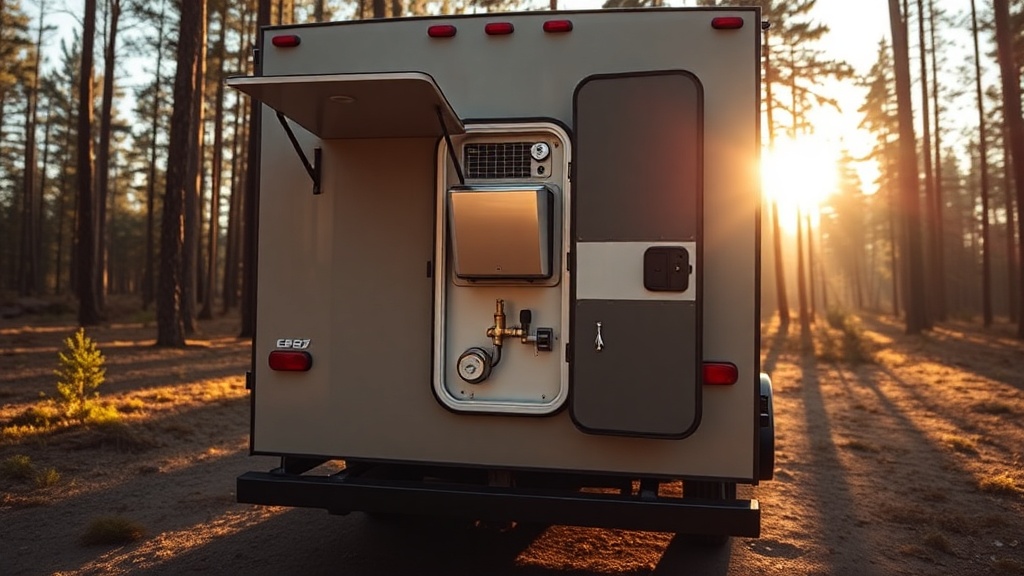
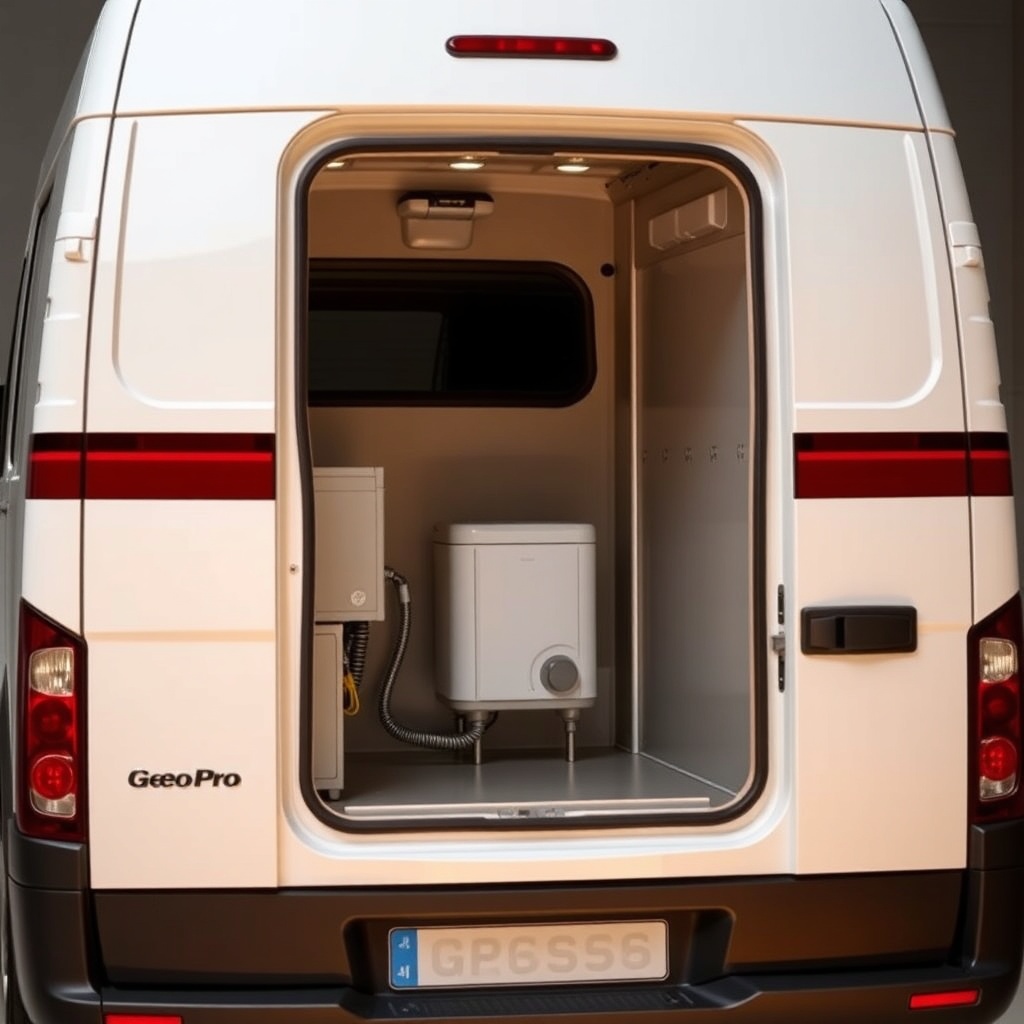
Factory-direct, the Geo Pro G16BH typically ships with a 6-gallon tank-style water heater. This unit uses either propane gas or 120V AC electric, providing about 10–12 minutes of continuous hot water before needing to recover (20–30 minutes). The tank is located on the driver-side rear, accessible via an exterior door for bypass and anode rod maintenance. Optional upgrades sometimes offered by dealers include an 8-gallon version, though this reduces pass-through storage space slightly. While robust, these tanks weigh around 35 lbs empty, which impacts tongue weight on the lightweight trailer.
Can You Install a Tankless Water Heater in the G16BH?
Yes—many owners convert to a tankless propane heater such as the Girard 2GWHAM or Furrion 2.0 GPM. These units save roughly 0.5 cubic feet of interior storage beneath the dinette seat, where the tank would sit. Tankless heaters heat water on demand, so you never run out, but they require a minimum 40 PSI water pressure (the G16BH’s internal pump delivers around 55 PSI). The trade-off is a higher upfront cost (approx. £650–£950 or $800–$1,150 USD) plus professional installation (roughly £200–£300 or $250–$375). For comparison, a standard tank replacement runs £400–£600 ($500–$750).
Below is a comparison of the two common setups:
| Feature | 6-Gallon Tank (Factory) | Girard 2GWHAM Tankless |
|---|---|---|
| Hot Water Capacity (continuous) | 10–12 min | Unlimited |
| Recovery Time (to full temp) | 20–30 min | Instant (on demand) |
| Weight (empty) | 35 lbs (16 kg) | 12 lbs (5.4 kg) |
| Space Saved (under dinette) | 0.5 cu ft lost | Frees up 0.5 cu ft |
| Energy Source | Propane or 120V AC | Propane only |
| Service Life Expectancy | 8–12 years | 10–15 years |
| Typical Cost (unit + install) | £450–£650 ($550–$800) | £800–£1,200 ($1,000–$1,500) |
How Does the Water Heater Affect the Wet Bath Shower Experience?
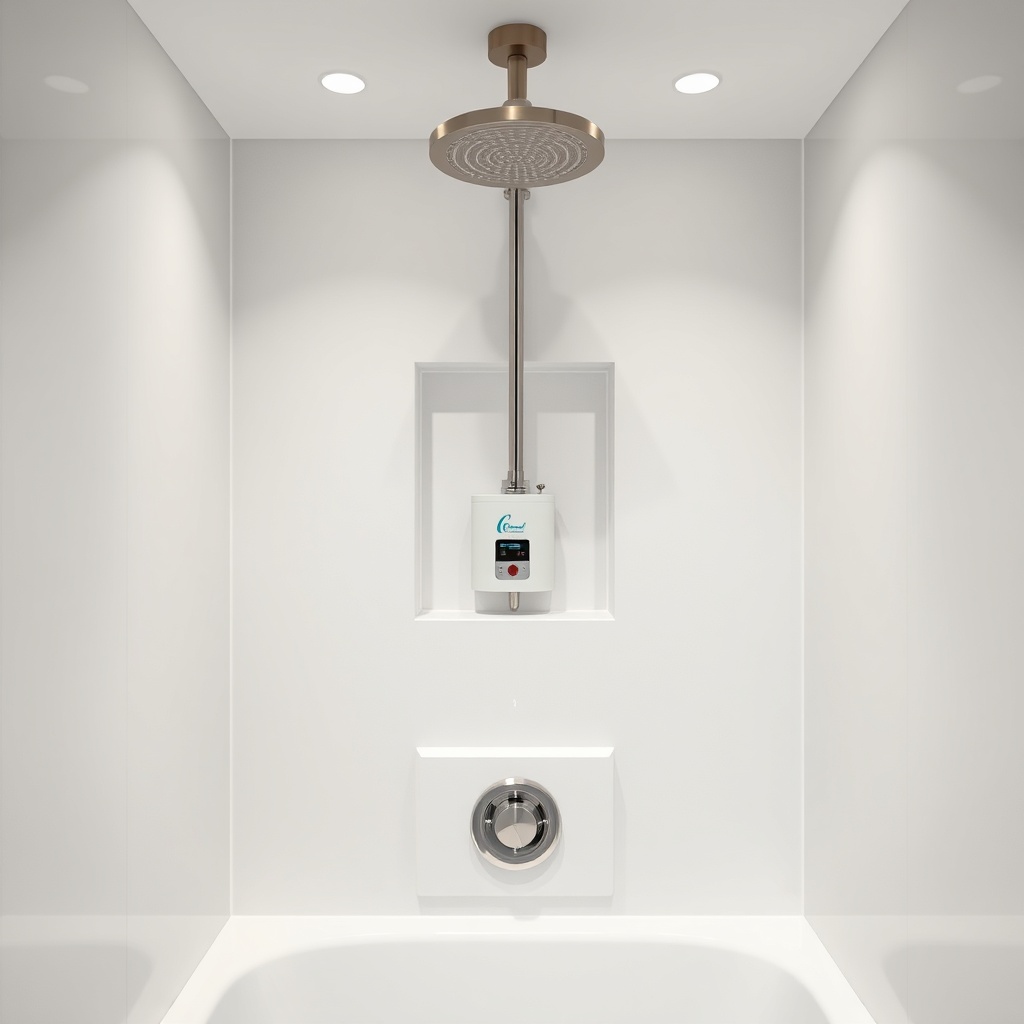
The G16BH’s wet bath crams a shower head, toilet, and sink into a single fibre-glass pan. With a 6-gallon tank, you get roughly one comfortable four-minute shower before the water turns tepid. Many owners extend this by switching to electric heating while using the gas to preheat, though this draws about 1200 watts from shore power. Tankless systems eliminate the time limit, but they can stutter if the water pressure drops below 35 PSI (e.g., when another tap opens). A simple fix is to install an accumulator tank (approx. £40–£60/$50–$75) on the cold line, which many G16BH owners add during a tankless retrofit.
What Are the Most Common Water Heater Repairs and Costs?
Three issues crop up regularly:
- Anode rod depletion: The sacrificial magnesium rod inside the tank corrodes over time, typically needing replacement every 12–18 months. Cost is £15–£25 ($18–$30).
- Bypass valve failure: The plastic diverter valves behind the exterior door crack in cold weather. Replacement kits are £20–£35 ($25–$45).
- Circuit board failure (tankless only): The control module can fail due to voltage fluctuation. A new Girard board runs £120–£180 ($150–$225).
Preventative winterisation is critical—draining the tank and blowing out lines with 40 PSI air prevents freeze damage. For those exploring other plumbing appliances in a tiny setup, check our guide on compact washer-dryer options.
How Does a Solar or Battery System Affect Water Heater Use?
A 6-gallon electric element draws 1440 watts at 120V. To run it off battery alone, you’d need a 3000W inverter and at least 200 Ah of lithium capacity—most G16BH owners don’t carry that much. That’s why gas combustion remains the primary heat source off-grid. However, tankless units use only 12V for the fan and ignition (approx. 2–4 amps), making them far more battery-friendly. Even a modest 100 Ah lithium battery can power the electronics for hours. Our solar power setup guide details how to pair a 200W panel with a solar controller to keep the 12V system topped off.
What Owners Say
Geo Pro G16BH owners on forums and Facebook groups consistently highlight three real-world water heater insights:
- “The factory 6-gallon tank is fine for one person, but two people back-to-back means a twenty-minute wait.” — Jake T., full-time van-dweller.
- “I swapped to a Girard tankless and it freed up a whole drawer space under the dinette—huge for storing my Nespresso machine.” — Sarah L., weekend warrior.
- “Winterising was a nightmare until I added a heated line wrap around the PEX to the water heater. Now I don’t worry about freezing in Colorado.” — Mike R., seasonal camper.
For those maximising every inch of interior, the freed-up space from a tankless conversion can be used for additional storage or as a spot for a compact kitchen gadget. See our article on top space-saving kitchen gadgets.
Frequently Asked Questions
Q1: What is the average cost to replace the water heater in a Geo Pro G16BH?
A: A DIY 6-gallon tank replacement runs around £300–£500 ($375–$625) for the unit plus fittings. Professional installation adds £150–£250 ($185–$310). Tankless units cost £650–£950 ($800–$1,150) plus installation.
Q2: Can I run the water heater on electric only when boondocking?
A: Yes, but only if you have at least 350 Ah of battery capacity and a 3000W inverter—impractical for most G16BH owners. Gas is the standard off-grid method.
Q3: How long does it take for the 6-gallon tank to heat up from cold?
A: From 50°F (10°C) water, the gas burner heats to 120°F (49°C) in about 20 minutes. Electric takes roughly 30–40 minutes.
Q4: Does a tankless water heater need a larger propane tank?
A: Not usually. The G16BH holds a single 20 lb tank. Tankless units use approx. 0.5 lbs of propane per 10 minutes of shower, so a full tank gives about 6–7 hours of shower time—comparable to a tank system.
Q5: What is the best winterisation process for a tankless unit?
A: Use a small air compressor (40 PSI) to blow lines, then flush with RV antifreeze through the winterisation port. Tankless units have fewer freeze-prone parts (no standing water) but still require blowing the heat exchanger.
Q6: Will a tankless water heater fit without drilling into the exterior?
A: Most aftermarket kits include a mounting bracket that fits the existing 10-inch x 8-inch factory opening on the driver-side rear. Minimal drilling is required for the new vent holes—typically just four small screws into the aluminium frame.
For more on managing your tiny living setup, revisit our kitchen gadget guide or the compact laundry solutions.