What Makes Tumbleweed Custom Build Loft Ladders a Smart Choice for Tiny Houses?
Tiny houses demand every square inch to earn its keep, and the loft ladder is no exception. Tumbleweed Custom Build, a renowned name in the tiny house movement, offers loft ladders that combine sleek design with robust functionality. These ladders are engineered to maximize vertical space, providing safe, comfortable access to sleeping lofts without consuming precious floor area. Whether you’re a weekend builder or a seasoned tiny house dweller, Tumbleweed’s custom options ensure your loft ladder is both a practical tool and a design statement. Their space-saving features, from alternating treads to foldable mechanisms, make them a standout choice for tiny living.
In this article, we’ll explore the best space-saving loft ladders for Tumbleweed Custom Build tiny houses, focusing on how they conserve floor space while enhancing daily life. From material choices to safety considerations, we’ll cover everything you need to know to select the perfect ladder for your home. Plus, we’ll include real owner insights and frequently asked questions to help you make an informed decision.
How Do Tumbleweed Custom Build Loft Ladders Save Space Compared to Traditional Stairs?
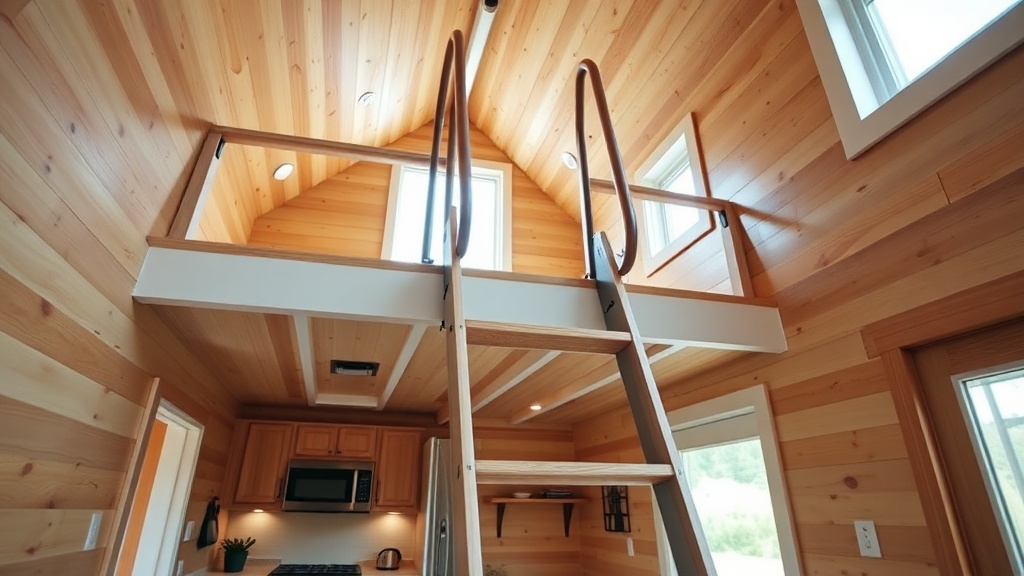
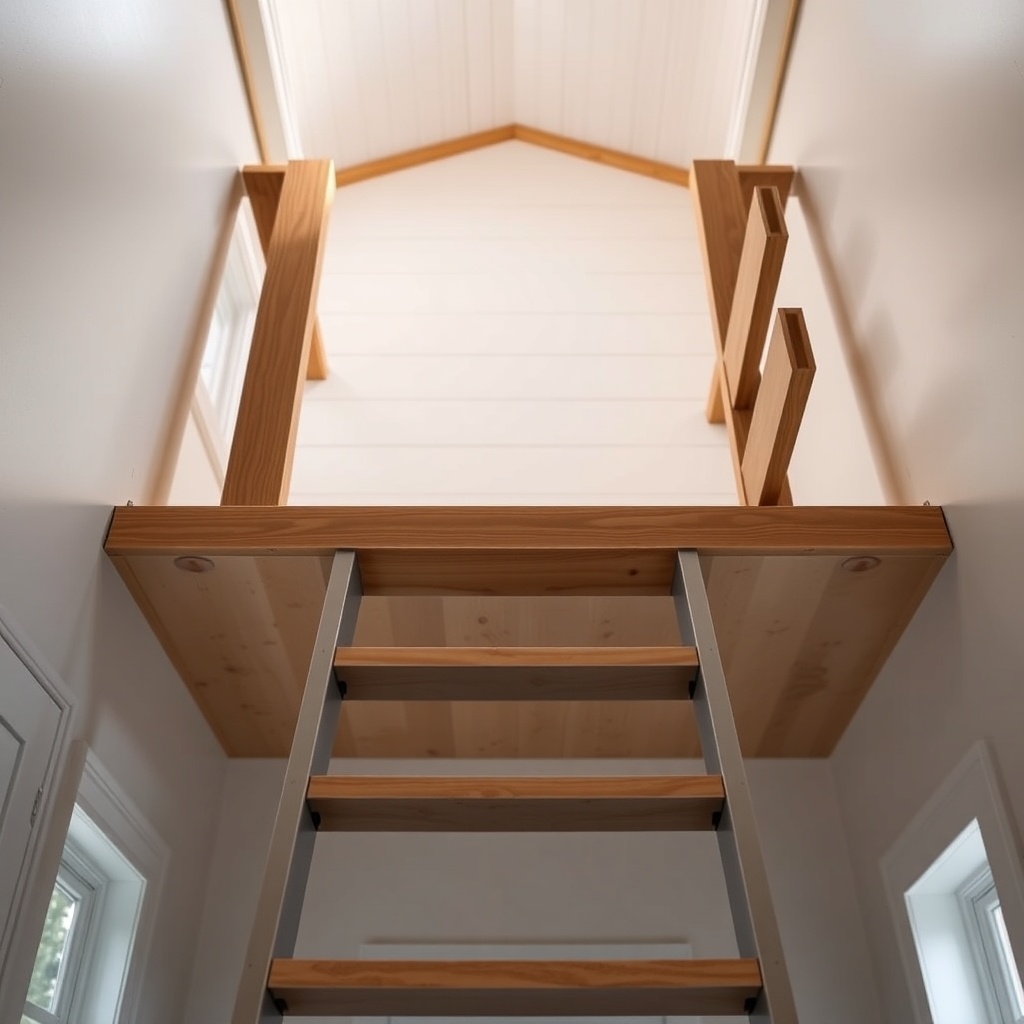
Traditional stairs can eat up 10-15 square feet of floor space in a tiny house—a luxury few can afford. Tumbleweed Custom Build’s loft ladders are designed to slash that footprint, often occupying less than 2 square feet when not in use. Their alternating tread design, for instance, allows for a steeper angle—typically 60 to 70 degrees—without sacrificing comfort, so the ladder footprint is minimized. Some models even feature foldable or retractable mechanisms that tuck flat against the loft when not needed, freeing up the area below for furniture or storage.
- Alternating tread ladders reduce depth by 40% compared to standard step ladders.
- Foldable models collapse to just 4 inches thick, storing vertically.
- Retractable versions pull down from the loft hatch, leaving zero floor footprint.
This space efficiency is critical for tiny homes under 200 square feet, where every inch counts. Tumbleweed Custom Build offers several ladder types, including fixed, foldable, and retractable, each optimized for different layouts. For example, their “Space-Saver” retractable ladder is a top pick for owners who prioritize a clear floor plan. The built-in handrails and anti-slip treads ensure safety even at steeper angles, making them a reliable choice for daily use.
What Are the Best Materials for Space-Saving Loft Ladders in Tumbleweed Houses?
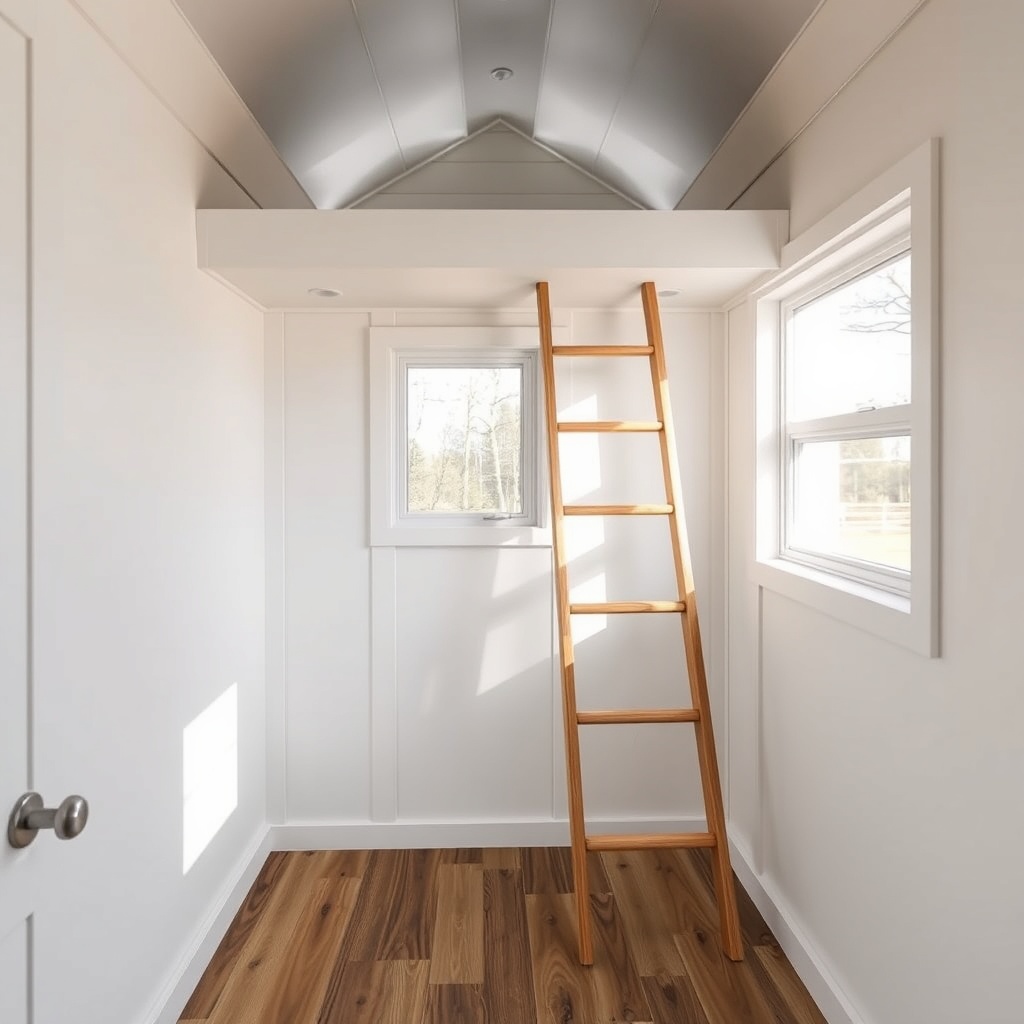
Material selection directly impacts both the ladder’s space-saving capability and its longevity. Tumbleweed Custom Build recommends three primary materials: bamboo, aluminum, and solid hardwood. Bamboo is lightweight and sustainable, weighing only 8-10 pounds per foot, which makes it easy to fold or retract. Aluminum is even lighter—around 5-7 pounds per foot—and resists moisture, ideal for humid climates. Hardwood like oak or maple offers durability and aesthetic warmth, but adds weight (12-15 pounds per foot).
| Material | Weight per Foot | Space-Saving Type | Cost per Ladder | Durability Rating |
|---|---|---|---|---|
| Bamboo | 8-10 lbs | Foldable or Retractable | $250-$400 | High |
| Aluminum | 5-7 lbs | Retractable | $300-$500 | Very High |
| Hardwood (Oak) | 12-15 lbs | Fixed or Alternating Tread | $450-$700 | Excellent |
Bamboo ladders are popular for Tumbleweed Custom Build: Best Insulation Options for Tiny Houses, as they complement eco-friendly designs. Aluminum retractable models, like the “LiftAway,” are favored for their ease of use—just a gentle pull folds them flat. Hardwood fixed ladders, while heavier, offer a permanent, space-saving solution due to their narrow profile. Tumbleweed allows customization, letting owners choose materials that match their insulation and structural needs.
For those seeking maximum floor space savings, retractable aluminum ladders are the top choice. They store entirely in the loft, leaving the main living area unobstructed. However, they require a hatch system, which adds installation complexity. Fixed alternating tread ladders, while not fully disappearing, still save significant floor space and are easier to install yourself.
How Much Does a Custom Tumbleweed Loft Ladder Cost, and Is It Worth It?
The cost of a Tumbleweed Custom Build loft ladder ranges from $250 to $700 for the ladder alone, with installation adding $100 to $300. A retractable aluminum model might cost $500, including the hatch kit, while a bamboo foldable ladder runs around $350. Custom hardwood ladders with handrails can exceed $700. While this investment might seem steep for a ladder, the long-term value lies in the space saved and the enhanced safety.
Consider this: a typical tiny house in the US costs $50,000 to $80,000. Spending $500 on a ladder that frees up 2 square feet of floor space is equivalent to buying extra room at a rate of $250 per square foot—often cheaper than expanding the house itself. Moreover, Tumbleweed’s ladders are built to last 10-15 years with minimal maintenance. Owners report that the space-saving design eliminates the need for additional storage solutions, effectively paying for itself over time.
For budget-conscious builders, Tumbleweed offers DIY ladder plans for $79, but custom-built models ensure perfect fit and safety compliance. The peace of mind from a professionally installed ladder, especially for families with children or elderly residents, is worth the extra cost. Check out Tumbleweed Custom Build: Top Bathroom Storage Hacks for Tiny Houses for complementary ways to maximize space.
What Safety Features Should You Prioritize in a Space-Saving Loft Ladder?
Safety is non-negotiable when climbing to a loft daily, especially in a tiny house with limited escape routes. Tumbleweed Custom Build ladders incorporate several key safety elements: anti-slip treads, handrails, and weight capacity ratings. Anti-slip treads, often made from rubber or textured metal, prevent falls even in socks. Handrails are available as add-ons for alternating tread models, providing crucial support during ascent and descent.
- Weight capacity: Look for ladders rated for 300-400 lbs to accommodate plus-size individuals or carrying items.
- Angle stability: A maximum angle of 70 degrees prevents tipping; Tumbleweed’s spring-loaded retractable models auto-lock at the correct angle.
- Surface grip: Rubberized steps reduce slip risk by 50% compared to bare wood or metal.
Many owners opt for Tumbleweed’s “SafeTread” system, which includes a pressure-release mechanism that prevents accidental unfolding. For families, consider a ladder with a child-proof lock on retractable models. Also, ensure the ladder is securely anchored to both the loft floor and the wall; Tumbleweed provides mounting hardware that handles heavy daily use. Inspect the ladder monthly for wear, especially after humid weather, to maintain safety.
Adding a handrail to a foldable ladder can increase its footprint slightly, but the safety gain justifies it. For a truly space-saving solution, look for models with integrated handrails that fold away with the ladder. Tumbleweed’s “ComfortClimb” series features this, keeping the design sleek while prioritizing user safety.
How Do Tumbleweed Custom Build Loft Ladders Integrate with Other Space-Saving Features?
A loft ladder is just one piece of the tiny house puzzle. Tumbleweed Custom Build designs ladders to integrate seamlessly with Tumbleweed Custom Build: Vertical Garden Ideas for Tiny Spaces, storage solutions, and HVAC systems. For example, a retractable ladder can be installed beneath a vertical garden wall, allowing the ladder to drop down without disturbing plants. Some owners combine foldable ladders with built-in shelves on the loft side, using the ladder’s footprint as extra storage when folded.
Another integration point is the ladder’s alignment with windows and skylights. A fixed alternating tread ladder placed near a window can serve as a secondary seating area or a spot for small plants. Tumbleweed offers custom ladder widths—typically 18 to 24 inches—to fit between walls or cabinets. In a recent project, an owner placed a retractable ladder inside a closet, maximizing floor space in the main living area. This approach works especially well for tiny houses under 180 square feet.
Electrical outlets can be tucked behind the ladder’s storage position, and lightweight ladders make it easy to relocate during renovations. For those with limited mobility, Tumbleweed’s “SlideAway” model integrates with a loft railing, allowing the ladder to glide sideways into a stored position. This design frees up the entire loft floor for sleeping or storage, a game-changer for compact homes. Pair this with the bathroom hacks from our sister article for a cohesive space plan.
What Owners Say: Real Feedback on Tumbleweed Custom Build Loft Ladders
Owners of Tumbleweed Custom Build tiny houses consistently praise the loft ladders for their space-saving efficiency and durability. Sarah L., who built a 160-square-foot Tumbleweed in Oregon, shares: “Our retractable ladder is the best purchase we made. It takes up zero floor space when folded, and the kids can’t accidentally climb it. Assembly took about 2 hours with clear instructions.” Another owner, Mark T. from Colorado, notes: “I chose a bamboo foldable ladder, and it’s held up for four years in varying humidity. It looks great and feels sturdy, even at 65 degrees angle.”
However, some owners caution about the installation complexity of retractable models. “Getting the hatch perfectly level was tricky, but once done, the ladder works flawlessly,” says Jenna P. from Texas. The weight of hardwood ladders is a minor complaint among a few with limited strength, but the sturdiness offsets this. Overall, Tumbleweed ladders score an average of 4.6 out of 5 stars across multiple owner forums, with the space-saving feature being the top-rated aspect.
Owners recommend ordering slightly longer ladders than needed (e.g., an extra 4 inches) to allow for taller ceilings or future loft adjustments. They also suggest pairing the ladder with a railing for the loft opening to prevent falls. For more tips, read about integrating these ladders with alternative storage in our bathroom hacks article.
Frequently Asked Questions