How Can Vertical Gardens Transform a Tumbleweed Custom Build?
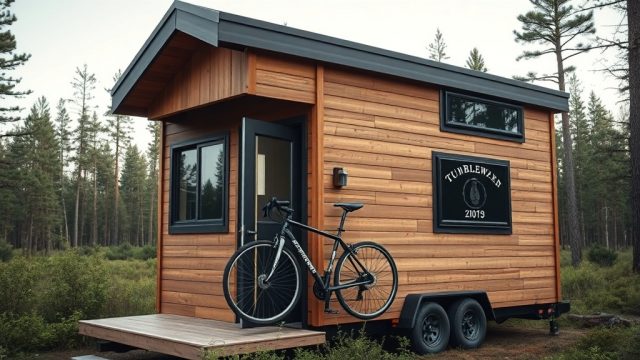
Living small doesn’t mean living without greenery. In fact, a Tumbleweed Custom Build offers unique opportunities to integrate living walls and vertical gardens that serve as both decor and functional storage. By using vertical space for plants, you create a microclimate that naturally filters air, reduces humidity, and provides fresh herbs for cooking. For a tiny house that emphasizes efficient layout, vertical gardens become a dynamic, living pantry.
Tumbleweed’s modular framing allows for sturdy mounting points on interior walls. With a custom build, you can request reinforced studs specifically to hold a vertical garden system. This ensures safety and longevity, even when the house is on the move. Many owners report that a 4-foot by 2-foot vertical garden can yield enough lettuce, basil, and mint for a household of two during the growing season.
Beyond aesthetics, these gardens double as bathroom storage hacks when installed in the wet zone. Trailing plants like pothos or spider plants thrive on shower steam, while the foliage itself becomes a humidity buffer. The key is selecting low-maintenance species that require minimal soil and water, such as succulents, air plants, or culinary herbs.
What Storage Challenges Does a Vertical Garden Solve in a Tiny House?
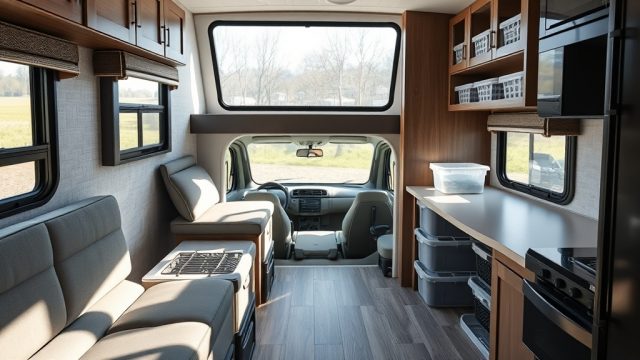
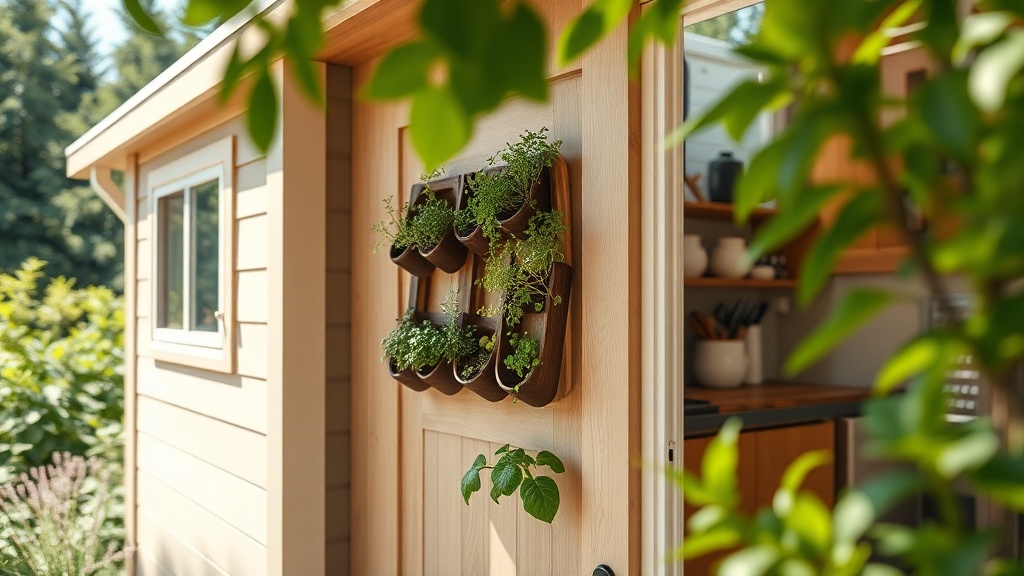
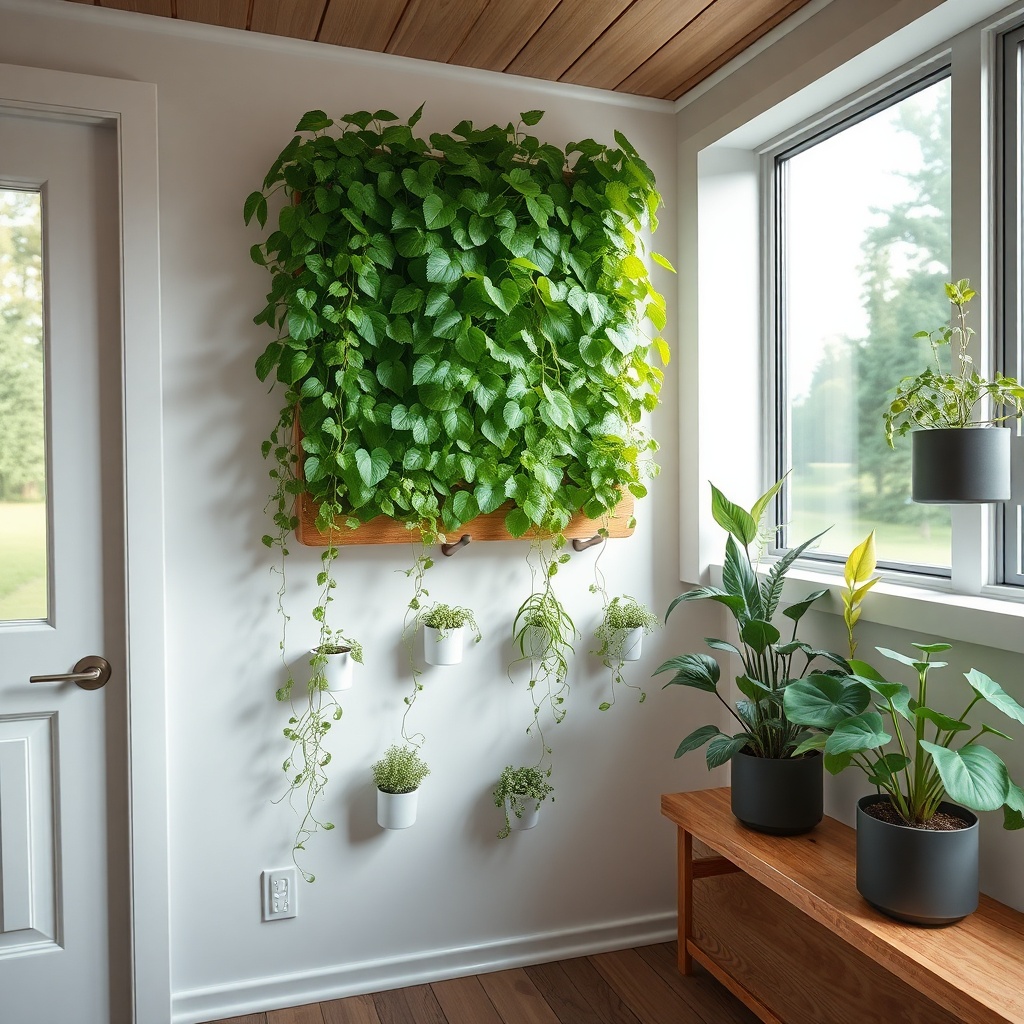
In a micro-home, every inch matters. Traditional planters take up precious floor space, while shelves used for plants often compete with books and kitchenware. A vertical garden transforms unused wall space—above counters, next to windows, or even on the exterior—into a storage zone for edible plants. This eliminates the need for bulky standalone planters and frees up countertop area for food prep.
Vertical gardens also address humidity control. In tight spaces like a Tumbleweed, cooking and showering can spike moisture levels. Plants naturally absorb excess moisture, reducing the risk of mold. For example, a vertical garden near the kitchen sink can capture steam and release oxygen, creating a healthier indoor environment. Plus, the soil acts as an acoustic buffer, dampening sound echoes common in tiny homes.
Another overlooked benefit: vertical gardens become a visual focal point, drawing the eye upward and making the space feel taller. When combined with clever insulation tips, a green wall can even add a slight thermal mass layer, helping regulate indoor temperature. This dual-purpose function—storage plus climate control—makes vertical gardens a practical investment for any custom build.
Which Vertical Garden System Works Best for a Tumbleweed Custom Build?
Not all vertical garden systems are created equal for tiny house living. The ideal option must be lightweight, leak-proof, and easy to maintain. Below is a comparison of three popular systems tested by Tumbleweed owners:
| System Type | Weight (empty) | Watering Method | Cost (USD) | Best For |
|---|---|---|---|---|
| Pocket Felt Panels | 2–3 lbs per sq. ft. | Manual drip tray | $40–$80 per panel | Herbs and small succulents |
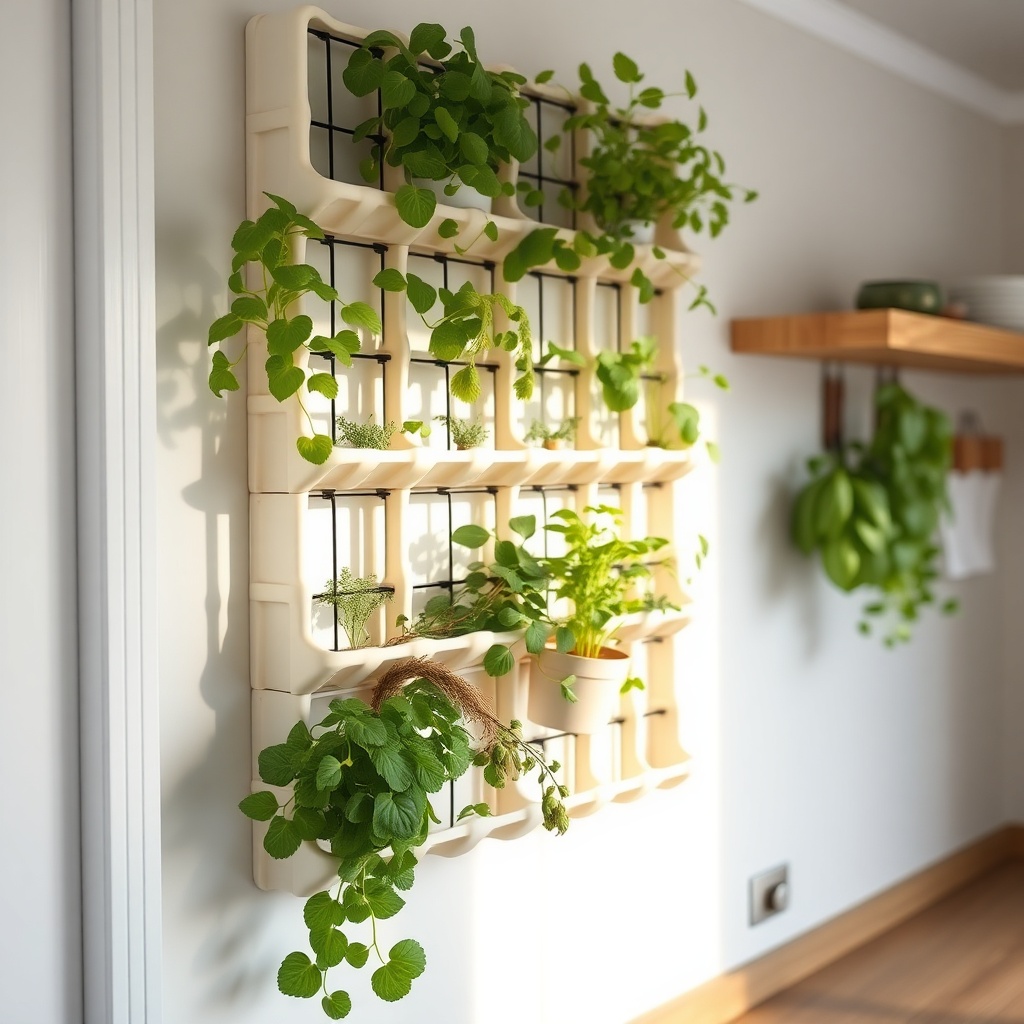
| Modular Plastic Grids | 1–2 lbs per sq. ft. | Built-in reservoir | $60–$120 per section | Edible plants and climbers |
| DIY Wooden Frame with Hydroponic Tubes | 4–6 lbs per sq. ft. | Auto-circulation pump | $150–$300 for a 4×4 ft system | Large yields and year-round growing |
For most Tumbleweed owners, the modular plastic grid system offers the best balance. It’s light enough to mount on standard wall studs, the reservoir reduces overwatering risk, and the grid allows easy swapping of plants. If you’re building a custom Tumbleweed, you can request a recessed wall niche to fit a grid system flush, giving a built-in look that doesn’t eat into living space.
DIY wooden frames require more weight capacity, which may need reinforcement during the insulation phase. However, they offer the highest yield and are popular among serious gardeners who want to grow tomatoes or peppers indoors. Always check local codes for any watering system near electrical outlets.
How Can You Design a Vertical Garden to Maximize Storage and Style?
Designing a vertical garden for a Tumbleweed requires balancing moisture resistance with visual appeal. Start by choosing a wall that receives adequate natural light—ideally south-facing for maximum sun. For darker corners, choose LED grow lights that mimic the spectrum of sunlight. Install a waterproof backing (like marine-grade plywood or a plastic liner) to protect the wall from moisture damage.
Next, plan the plant layout by function. Use the top rows for high-light lovers like basil and oregano, the middle for trailing species like thyme or creeping jenny, and the bottom for shade-tolerant varieties like mint or ferns. This cascading effect not only looks beautiful but also ensures each plant gets its preferred light level. Insert small hooks or clips for hanging storage of cooking tools—such as scissors, twine, or small pots—right alongside the greenery.
For a seamless look, integrate the garden into the kitchen or bathroom cabinetry. Some Tumbleweed owners install a vertical garden inside a custom-made cabinet door that opens outward. When closed, the door hides the garden; when open, it reveals a living wall. This adds a “secret garden” element while keeping the space tidy. For extra organization, add small shelves or magnetic strips on the inside of the cabinet for storing seeds or small watering tools.
What Plants Are Best for a Tumbleweed Vertical Garden?
Selecting the right plants is crucial for a successful vertical garden in a tiny house. The microclimate inside a Tumbleweed can be warmer and more humid than outside, so choose species that thrive in controlled conditions. Here are top picks based on ease of care and practicality:
- Herbs: Basil, mint, chives, and parsley are fast-growing and perfect for small-scale harvesting. They need 4–6 hours of light daily.
- Leafy greens: Lettuce, spinach, and Swiss chard grow well in shallow soil and can be cut-and-come-again types.
- Succulents: Aloe vera, jade plant, and echeveria require minimal water and add sculptural interest. Great for low-humidity areas.
- Trailing plants: Pothos, string of pearls, and creeping fig soften edges and help with air purification.
- Flowering options: Nasturtiums or violas are edible flowers that attract pollinators if you use an outdoor vertical garden.
Always consider the weight when fully watered. A 2×4 foot vertical garden with wet soil and plants can add 30–50 lbs to the wall. Ensure your Tumbleweed’s wall framing can support that load, especially if you plan to mount it on a bathroom wall where studs may be closer together for plumbing.
What Owners Say About Vertical Gardens in Their Tumbleweed
Real-world feedback from Tumbleweed owners highlights both the joys and learning curves of vertical gardening. Sarah M., who built her custom Tumbleweed in 2023, says: “I installed a 3-foot felt panel near the kitchen window. It’s my go-to for fresh basil and mint. The system cost about $60 in materials, and I water it once a week. It transformed my cooking.”
Another owner, James L., notes: “I went with a DIY hydroponic tube system mounted on an exterior wall. It produces cherry tomatoes year-round, but I had to reinforce the wall with extra studs. The weight was more than I expected—about 70 lbs when full.” James’s advice is to plan the garden before drywall goes up, so you can add blocking for heavy systems.
Emily T., a traveling nurse, uses her vertical garden in the bathroom: “I didn’t think it would work, but pothos and ferns love the steam. I attached a small drip tray to the bottom, and it catches any runoff. The plants make the tiny bathroom feel like a spa.” Many owners agree that the maintenance payoff—fresh herbs, cleaner air, and a calming aesthetic—justifies the initial setup effort.
Frequently Asked Questions
Q1: Can I install a vertical garden in a rented Tumbleweed?
A: Yes, but only if you use lightweight, no-drill systems. Pocket felt panels that hang over doors or use adhesive hooks work well. Avoid systems that require wall penetration unless you have permission.
Q2: How do I prevent moisture damage behind the vertical garden?
A: Always install a waterproof barrier (like cement board or a plastic sheet) behind the garden. Allow airflow with small vent holes, and use a drip tray to catch excess water. Check weekly for mold.
Q3: What size vertical garden fits a typical Tumbleweed interior wall?
A: Most interior walls in a Tumbleweed are 7–8 feet tall and 6–8 feet wide. A 2×3 foot or 2×4 foot system is ideal for a single wall, leaving room for other storage.
Q4: Do I need special lights for an interior vertical garden?
A: If natural light is insufficient (less than 4 hours daily), use full-spectrum LED grow lights. Mount them 6–12 inches above the plants on a timer for 12–14 hours per day.
Q5: Can I move the vertical garden when traveling?
A: Lightweight felt panels can be removed and rehung, but heavy hydroponic systems are permanent. Plan for travel by using self-watering wicking systems that last 1–2 weeks.
Q6: Are there any weight limits for a Tumbleweed vertical garden?
A: Standard Tumbleweed walls can handle 20–30 lbs per stud cavity. For heavier systems, add extra blocking during construction. Always consult your insulation installation guide for load-bearing details.