Why Window Insulation Matters in the Coachmen Beyond 22RB
The Coachmen Beyond 22RB is a popular class B RV known for its sleek design and efficient use of space. However, like many compact RVs, its single-pane windows can be a weak point for temperature regulation. Owners often find that heat escapes rapidly in winter and solar gain turns the interior into a greenhouse in summer. This guide focuses specifically on insulating the windows of the Coachmen Beyond 22RB to maintain comfortable interior temperatures without straining the climate control systems.
Whether you are a full-time traveler or a weekend adventurer, understanding how to manage window insulation can significantly reduce energy consumption and improve livability. From reflective films to thermal curtains, the right approach can cut heat loss by up to 40% and lower cooling costs during hot months. This article covers practical, owner-tested solutions tailored to the 22RB’s unique windows, including the large panoramic windshield and side windows.
What Are the Specific Windows in the Coachmen Beyond 22RB?
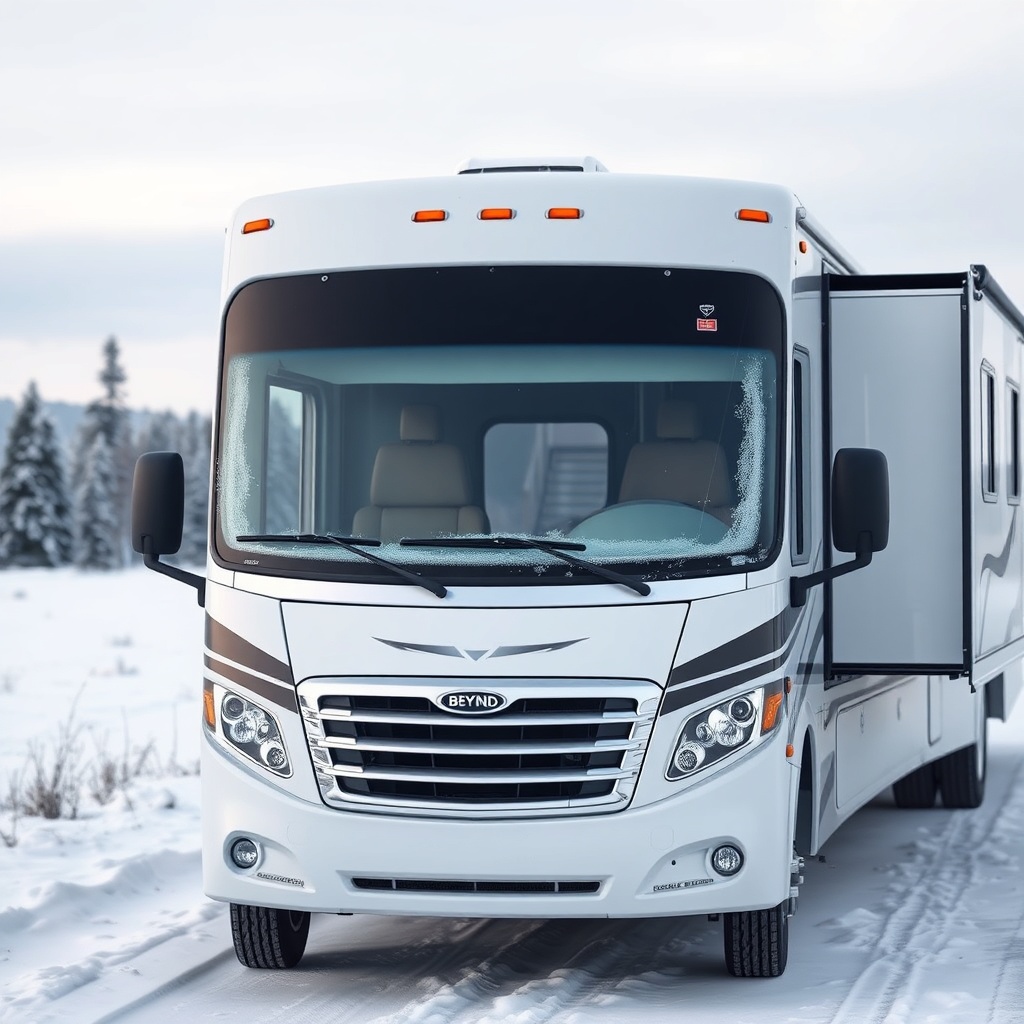
The 22RB model features several window types, each requiring a different insulation strategy. The large front windshield is a primary heat loss area, while the side slider windows and rear emergency exit window also contribute. Below is a breakdown of the main window dimensions and glazing types commonly found in this model.
| Window Location | Approximate Size (W x H) | Glazing Type | Insulation Challenge |
|---|---|---|---|
| Front Windshield | 78″ x 36″ | Single-pane tempered | High heat loss; UV exposure |
| Side Slider Windows | 24″ x 20″ (each) | Single-pane tempered | Drafty seals; condensation |
| Rear Emergency Door | 18″ x 22″ | Single-pane tempered | Leaking during rain; poor insulation |
| Roof Vent (optional) | 14″ x 14″ | Acrylic dome | Minimal insulation; solar gain |
Note that the 22RB’s standard build uses double-pane windows as an optional upgrade, but most units on the road have single-pane glass. Owners report that upgrading to double-pane later is expensive and complex, so temporary insulation solutions are more practical.
How Can Reflective Window Film Improve Insulation?
Reflective window film (often called heat-control film) is a cost-effective way to block solar radiation and reduce heat loss. For the Coachmen Beyond 22RB, applying a high-quality film to the front windshield and side windows can lower interior temperatures by 10-15°F during summer. In winter, the film helps retain radiant heat by reflecting it back inside.
Installation is straightforward: clean the glass thoroughly, cut the film to size, and apply it with a squeegee to remove air bubbles. One popular choice is the Gila Heat Control Platinum series, which offers up to 99% UV protection and a neutral appearance. For the 22RB’s large windshield, a 36″ x 78″ roll costs approximately £45 to £60 depending on the retailer. However, be aware that some films may interfere with radio or GPS signals if applied too thickly—test in a small area first.
Another consideration is that reflective films can void the windshield warranty on some vehicles, including Mercedes-Benz Sprinter-based 22RBs. Always check your owner’s manual or consult with a dealer before proceeding. Many owners use a temporary cling film solution that can be removed without residue, ideal for seasonal use.
Are Thermal Curtains a Practical Solution for the 22RB?
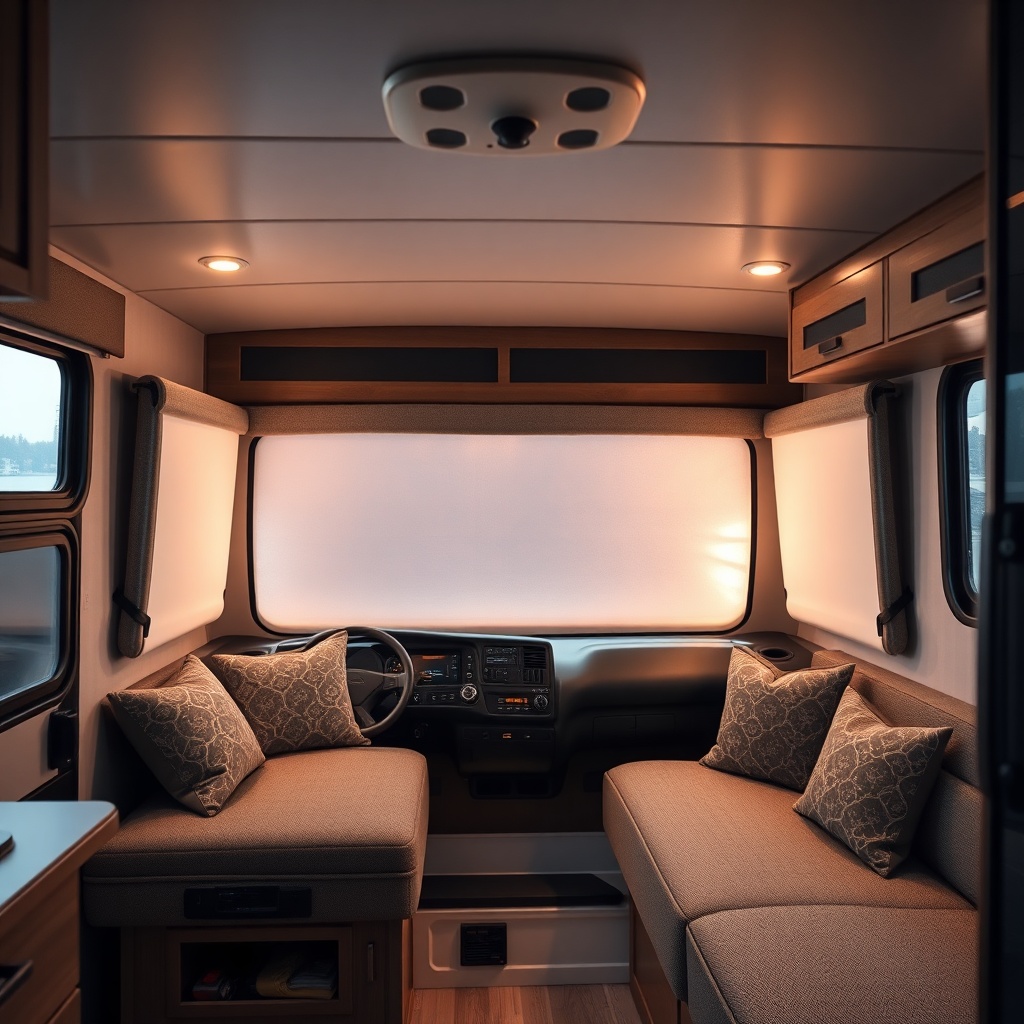
Thermal curtains are one of the most effective and reversible ways to insulate the Coachmen Beyond 22RB’s windows. Unlike film, curtains provide both insulation and light blockage, which is helpful for sleeping or privacy. For the 22RB, custom-fit curtains can be made to match the curved front windshield and rear door.
Products like the “Cozy Curtains RV Blackout Thermal Curtain” are popular among owners. These are typically made from a three-layer fabric: a polyester outer, a thermal foam core, and a blackout lining. For the 22RB, a set covering the front windshield costs around £80 to £130. Installation requires a tension rod or adhesive hooks, both of which are easy to install without drilling. The side slider windows can be covered with smaller curtain panels attached to Velcro strips.
One downside is that thermal curtains reduce visibility while driving, so they must be removed or stowed during travel. Some owners create a two-piece curtain system: a lower section that stays in place and an upper section that can be unclipped. This allows partial insulation without completely blocking the view. Another tip is to combine curtains with a space-saving table that folds down to create a buffer area near the windshield.
How Does Window Insulation Compare to Other Climate Control Methods in the 22RB?
Window insulation is just one part of a comprehensive climate control strategy for the Coachmen Beyond 22RB. Other methods include using reflective roof covers, improving ventilation, and upgrading the portable solar panels to power fans or air conditioners. Below is a comparison of the effectiveness and cost of different approaches.
| Method | Cost Range (GBP) | Temperature Reduction (Summer) | Installation Complexity | Impact on Energy Use |
|---|---|---|---|---|
| Reflective Window Film | £40–£70 | 10–15°F | Easy | Moderate |
| Thermal Curtains | £80–£150 | 15–20°F | Moderate | Significant |
| Roof Vent Cover + Insulation | £30–£60 | 5–10°F | Easy | Low |
| Portable A/C Unit | £400–£700 | 25–30°F | Difficult | High (uses battery) |
| Insulated Window Plugs | £100–£200 | 20–25°F | Moderate | Moderate |
While portable air conditioners offer the highest cooling performance, they are expensive and drain the 22RB’s battery quickly unless paired with a robust solar setup. For most owners, combining reflective film with thermal curtains provides the best balance of cost, ease, and effectiveness. Insulated window plugs—custom-cut foam boards covered in fabric—are a DIY alternative that can be removed in minutes. These are especially useful for overnight parking in extreme temperatures.
What Are the Best DIY Window Insulation Kits for the Coachmen Beyond 22RB?
For owners who prefer a hands-on approach, several DIY kits are available that tailor insulation to the 22RB’s windows. One popular solution is the “EZ Snap Window Heat Shield” system, which uses snap buttons and reflective foam panels. These panels can be cut to fit the front windshield and side windows, providing a tight seal. Each panel consists of two layers: a reflective outer surface and a foam core that provides R-value insulation. A full kit for the 22RB costs approximately £120 to £180.
Another option is the “Rainier RV Window Insulator Kit,” which includes magnetic strips and high-density foam. The magnets adhere to the metal frame around the windows, making installation quick. The kit covers the side windows and rear door, leaving the windshield for separate treatment. This is a good middle ground between film and curtains, offering an R-value of about 3.5 per panel. Owners report that it reduces condensation significantly and cuts down on road noise.
One caution: foam panels can degrade over time if exposed to direct sunlight, so store them in a dark place when not in use. Additionally, ensure the panels do not interfere with the window seals, as this could cause water leaks. For those who want a more permanent solution, composting toilets and other bathroom modifications can free up storage space for insulation supplies.
How Does Window Insulation Affect Battery Life and Solar Efficiency in the 22RB?
Insulating the windows directly impacts the energy consumption of the Coachmen Beyond 22RB. In hot weather, less heat ingress means the roof air conditioner or fan runs less frequently, preserving battery power. In cold conditions, reduced heat loss allows the furnace to cycle less often, saving propane or electricity. This is especially important for boondockers who rely on portable solar panels for off-grid power.
Real-world tests from owners suggest that after applying reflective film and thermal curtains, the air conditioner ran 30% less during midday heat. This translated to a battery savings of roughly 15–20% per day, which can mean an extra hour of runtime for a compact dishwasher or other appliances. Similarly, in winter, the furnace cycled on only once per hour instead of three times, reducing propane consumption by about 25%.
To maximize these benefits, use a temperature data logger to monitor the interior temperature before and after insulation. This helps quantify the savings and justify the initial investment. Many owners also install a battery monitor system to track daily energy usage precisely.
What Owners Say About Window Insulation in Their Coachmen Beyond 22RB
Feedback from the Coachmen Beyond 22RB community reveals a mix of successes and challenges. On RV forums, many owners praise thermal curtains for their effectiveness in both summer and winter. One owner on the “Coachmen Beyond Owners Group” wrote: “I added blackout thermal curtains to the front and side windows, and it made a huge difference in keeping the cabin comfortable. The A/C barely runs now in 90°F weather.” Another noted that reflective film worked well for the windshield but was tricky to install without bubbles on the curved glass.
Some owners have experimented with DIY window plugs made from rigid foam board and adhesive Velcro. One detailed post described cutting 1-inch foam to fit each window, covering it in fabric, and attaching it with industrial-strength Velcro. The result was an R-value of about 4, which outperformed commercial kits. However, the owner mentioned that storage was an issue when the panels were not in use, as they took up significant space in the small 22RB.
Critiques often center on the lack of factory insulation and the need for aftermarket solutions. Several owners noted that the rear emergency door window is particularly drafty and recommended adding a heavy-duty curtain or plug there. Overall, the consensus is that window insulation is essential for anyone planning to use the 22RB in extreme climates, and the investment pays back within a season.
Frequently Asked Questions About Window Insulation for the Coachmen Beyond 22RB
1. Can I use bubble wrap as a temporary window insulator?
Yes, bubble wrap is a simple emergency solution. Spray a little water on the window, then press the bubble side against the glass. It provides some insulation but offers less thermal protection than film or curtains. It is best for short-term use in moderate weather.
2. Will window film damage the glass or seals?
High-quality, removable film should not damage glass if applied correctly. However, some adhesives can leave residue, especially on older seals. Always test a small area first, and remove film according to the manufacturer’s instructions.
3. How do I clean windows after removing insulation?
For film removal, use a mixture of warm water and mild dish soap. For sticky residue, apply rubbing alcohol or a specialized adhesive remover. For foam plug residue, a soft cloth with soapy water usually works. Avoid abrasive scrubbers that might scratch the glass.
4. Are there insulation options that don’t block the view?
Yes, reflective film is nearly transparent while still blocking UV and heat. Another option is UV-blocking window tint, which is installed professionally and remains clear. These allow you to maintain visibility while reducing heat transfer.
5. How much does professional window insulation cost for the 22RB?
A professional installation of reflective film for the entire 22RB (windshield and all side windows) can cost between £300 and £500. This includes trimming and warranty. Thermal curtain installation may add another £100 to £200 for custom sewing and mounting.
6. Can I combine multiple insulation methods?
Absolutely. Many owners combine reflective film on the windshield with thermal curtains on the side windows and foam plugs on the rear door. This layered approach maximises insulation without sacrificing functionality. Just ensure that ventilation is not blocked, especially near vents or doors.