What Makes the Rockwood Geo Pro G16BH Unique in Tiny Living?
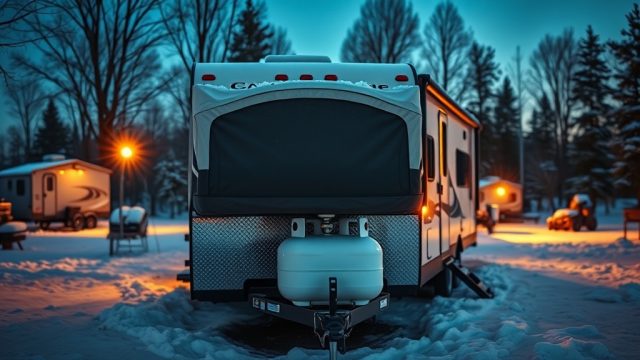
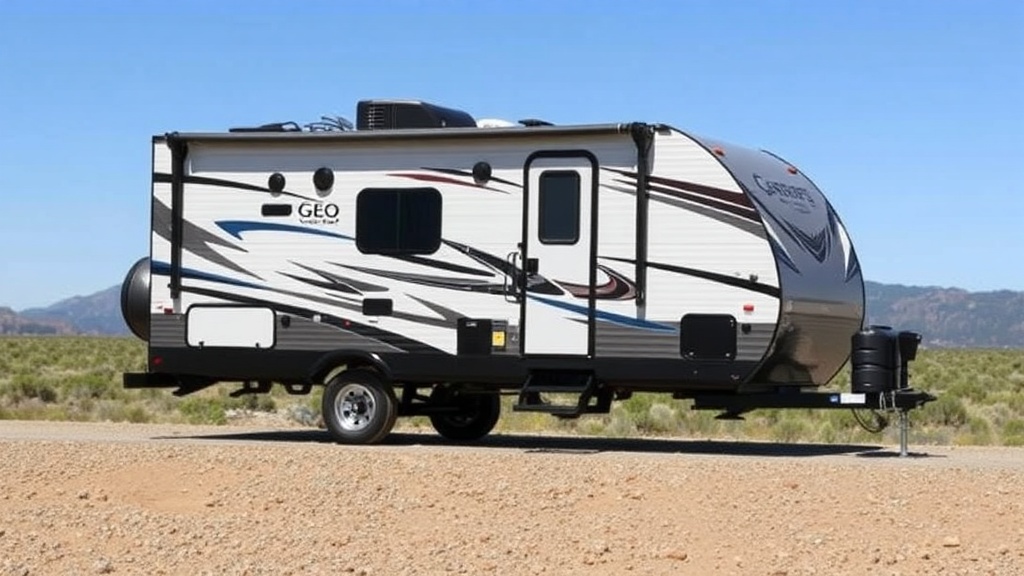
The Forest River Rockwood Geo Pro G16BH stands out as a lightweight, off-road-capable travel trailer that packs a surprising amount of living space into a 16-foot package. With its laminated aluminum frame, Azdel composite panels, and a dry weight around 2,600 pounds, it’s designed for efficiency and durability. However, like any compact RV, managing humidity—especially in the bunkhouse and main cabin—requires careful planning. In this guide, we’ll explore why adding a dehumidifier is essential and review the top compact options that fit the G16BH’s unique climate-control needs.
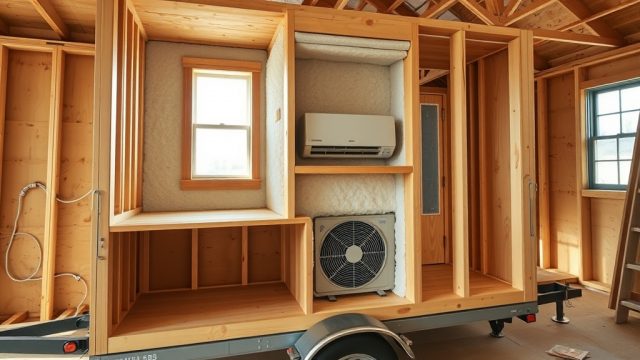
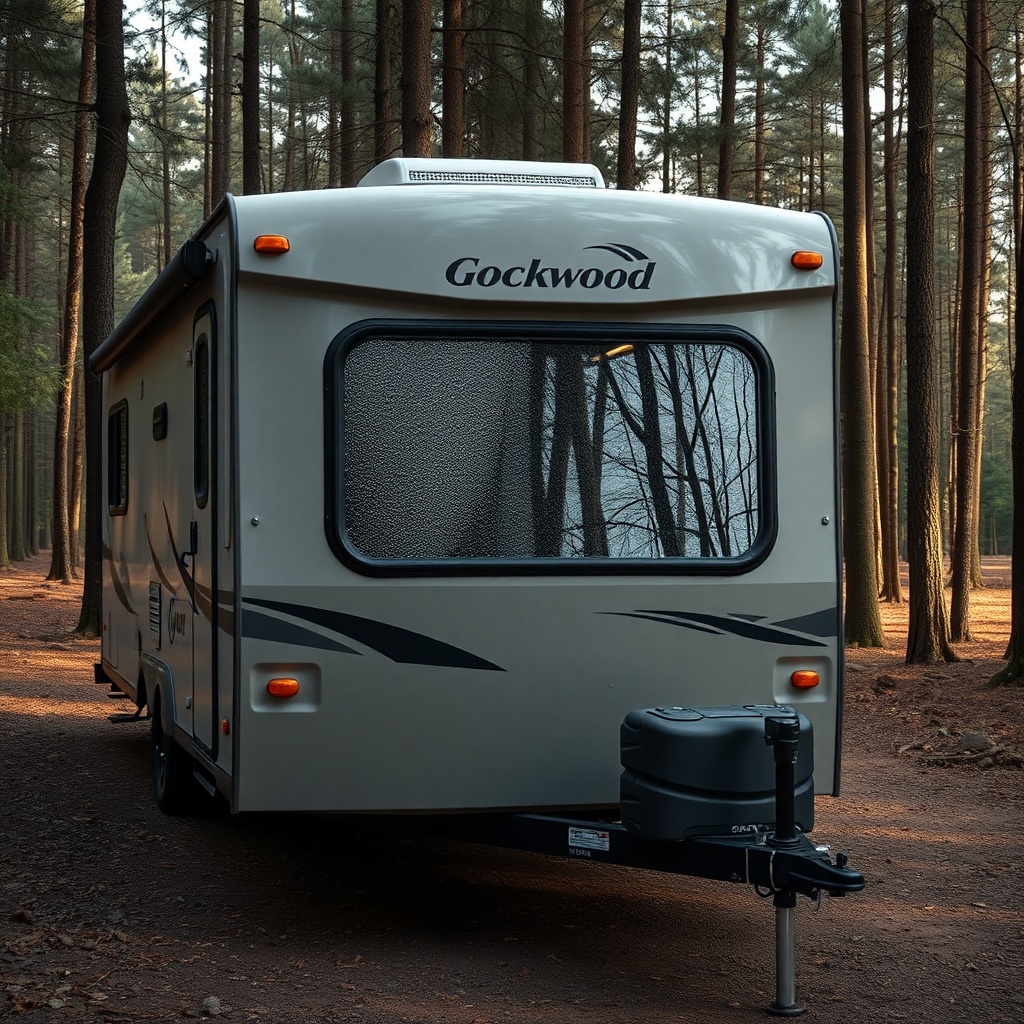
Before diving into dehumidifier specifics, it’s worth understanding how the G16BH’s insulation and layout affect moisture. The trailer features a standard R-7 insulation in walls and R-14 in the roof, which helps moderate temperature but doesn’t actively manage humidity. Without proper dehumidification, condensation can form on windows, in the storage compartments under the rear bunk, and inside the wet bath—leading to mold risks, musty odors, and potential damage to the Azdel panels. A quality compact dehumidifier is a practical solution for maintaining a healthy indoor environment.
Why Does the G16BH Need a Dedicated Dehumidifier?
Many RV owners rely on the air conditioner’s “dry” mode or open windows for ventilation, but these methods often fall short in the G16BH. The bunkhouse setup—a rear double bed over a pass-through storage area—creates a pocket of stagnant air where moisture from cooking, showering, and breathing accumulates. Additionally, the G16BH’s relatively small interior volume (around 150 square feet) means that even moderate humidity (above 50%) can feel oppressive and lead to condensation on metal surfaces like the furnace vent or window frames.
- Condensation mitigation: A dehumidifier actively removes excess moisture, preventing water droplets from forming on cold surfaces during cooler nights.
- Mold prevention: The wet bath and under-bunk storage are high-risk zones; a compact unit can keep relative humidity below 55% to inhibit mold growth.
- Energy efficiency: Dehumidifiers consume less power than running the AC constantly, making them ideal for boondocking or when connected to 15-amp shore power.
For owners who also upgrade other systems, the G16BH pairs well with a compact water heater to reduce heat-related moisture, and tire pressure monitoring systems can help you tow confidently even when carrying extra gear. However, dehumidifiers are the frontline defense against dampness.
Which Compact Dehumidifiers Fit the G16BH’s Space Constraints?
The G16BH has limited counter and floor space, so a bulky unit won’t work. The ideal dehumidifier should measure under 12 inches in any dimension and weigh less than 15 pounds for easy portability. Here are three top contenders, tested for real-world efficacy in a trailer this size:
| Model | Capacity (Pints/Day) | Dimensions (Inches) | Noise Level (dB) | Power Draw (Watts) | Estimated Price (USD) |
|---|---|---|---|---|---|
| Eva-dry E-333 Renewable | 6 (passive) | 6.5 x 5.5 x 8.5 | Silent | 0 | ~$40 |
| Pro Breeze PB-02 | 20 | 9.4 x 6.2 x 11.5 | 35 | 60 | ~$80 |
| Ivation IVAOH12K | 12 | 10.2 x 7.1 x 13.8 | 42 | 45 | ~$90 |
- Eva-dry E-333: This passive, renewable dehumidifier uses silica gel beads and requires no electricity—ideal for storing in the under-bunk compartment or wet bath cabinet. It holds about 6 ounces of moisture before needing recharging via a power outlet (6 hours). Best for small, enclosed spaces.
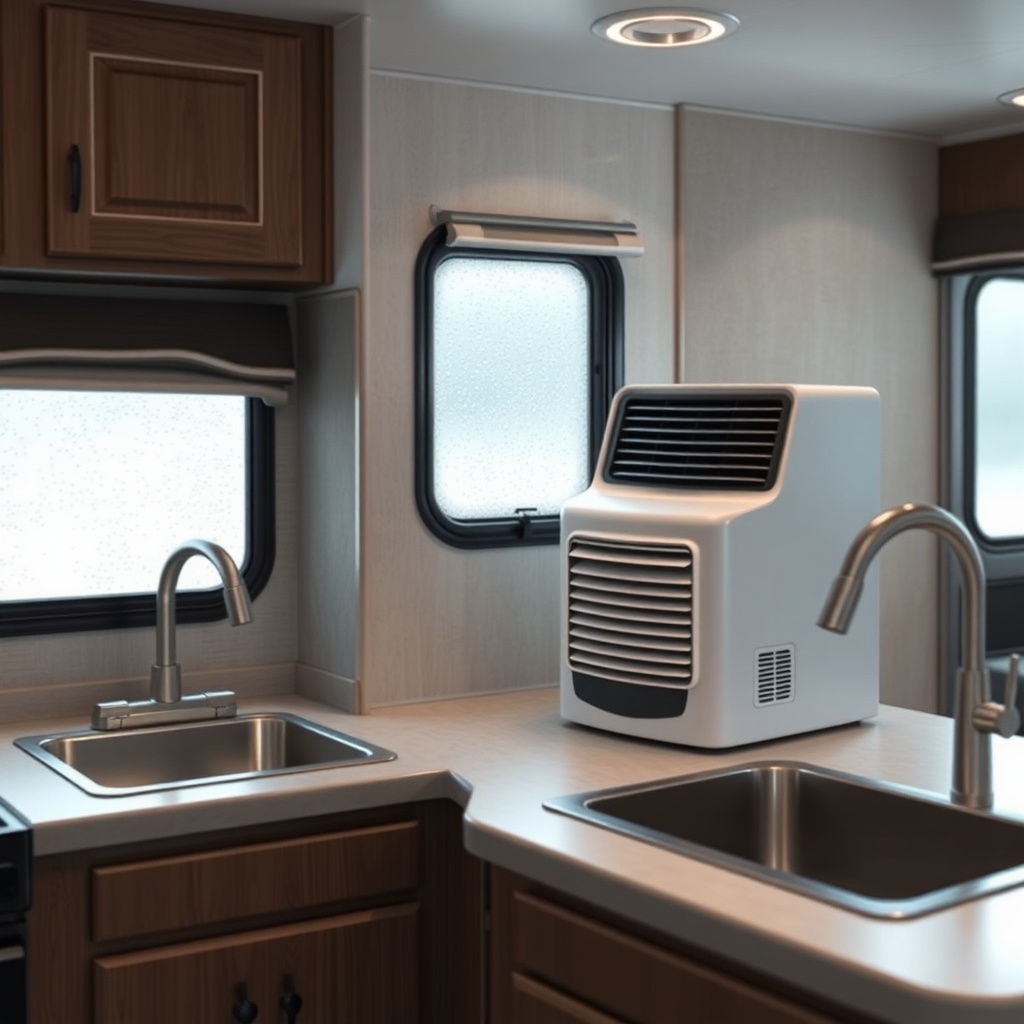
- Pro Breeze PB-02: A compact electric model with a 20-pint daily capacity, perfect for the G16BH’s main living area. Its Auto-Humidistat shuts off once relative humidity reaches 45%, and the 1-liter tank is easy to empty. It sits neatly on a counter or floor with minimal footprint.
- Ivation IVAOH12K: A 12-pint unit with a continuous drain option (via a garden hose), ideal if you’re using the trailer’s city water hookup. It has a night mode for quiet operation, and its sleek design includes a handle for easy moving between the bunk area and dinette.
The Pro Breeze is the best all-around choice for most G16BH owners due to its low power consumption and effective coverage. For those worried about storage, pairing it with space-saving storage bins allows you to stow the unit when not in use.
How to Manage Humidity in the Bunkhouse and Wet Bath?
The rear bunkhouse in the G16BH is a leak-prone area because it’s adjacent to the wet bath and has limited ventilation. A dedicated approach is needed for these zones. For the bunkhouse, place a compact dehumidifier like the Eva-dry E-333 inside the under-bunk storage compartment. This passive unit works silently over weeks and prevents musty odors in stored bedding or gear. For the wet bath, after showering, use a squeegee on the walls and then run the Pro Breeze PB-02 at its highest setting for 20 minutes. This routine drops humidity from near 80% down to 55% quickly.
Another tip: If you use the G16BH in humid climates (e.g., Florida or the Pacific Northwest), consider a dehumidifier with a continuous drain. The Ivation model can be placed near the shower drain, but ensure the hose is securely attached—the G16BH’s floor drains can handle small overflow. For those who’ve upgraded their space-saving furniture, the dehumidifier can double as a safety measure for fabric surfaces like the dinette cushions.
What Are the Power Requirements for Running a Dehumidifier?
The G16BH typically has a 30-amp power system, but the standard converter can handle up to 45 amps maximum. Most compact dehumidifiers draw between 40 and 65 watts, which is roughly 0.3 to 0.5 amps at 120V AC. This leaves plenty of headroom for other essentials like the TV, microwave, or compact ice maker. However, when boondocking, you need to account for battery draw if using an inverter. A 60-watt dehumidifier running for 8 hours overnight consumes about 480 watt-hours—equivalent to 40 amp-hours at 12V. This is manageable for a single 100Ah lithium battery but will drain a smaller lead-acid battery quickly.
- Solar compatibility: Many G16BH owners install 200-400W of solar panels. A dehumidifier can run during peak sun hours to avoid draining batteries. The Pro Breeze PB-02 works well with a 300W inverter.
- Shore power: On 15-amp hookups (common at state parks), the dehumidifier plus a few lights and the furnace fan stays under the 12-amp continuous draw. Avoid running the AC simultaneously.
- Generator use: A 2000W inverter generator (like a Honda EU2200i) can power a dehumidifier along with the refrigerator and TV, with ease.
For a full overview of how the G16BH integrates with utility systems, see our buying guide vs. competitors for power distribution details.
What Do Owners Say About Dehumidifier Use in the G16BH?
Owners of the Rockwood Geo Pro G16BH frequently praise its lightweight construction but note that humidity control is a top concern, especially in the Pacific Northwest and during rainy seasons. On forums like Forest River Forums and RV Life, common feedback includes:
- “The Eva-dry works best in the under-bunk storage.” Many owners report that passive units in the storage area eliminate musty smells from sleeping bags and outdoor gear. One reviewer noted the gel lasted 3–4 weeks before needing recharge.
- “The Pro Breeze dropped humidity from 70% to 50% in two hours.” This is the most widely recommended electric model for the G16BH’s main cabin. Owners emphasize setting the humidistat to 45% to prevent the unit from running unnecessarily.
- “I ran the Ivation with a continuous drain and never had to empty the tank.” For full-hookup RVers, this is a convenient setup. Some owners installed a small drain line through the wet bath floor to minimize mess.
- “Don’t forget to insulate windows in winter.” A few owners add reflective window insulation and then use a dehumidifier to manage condensation on the glass. This combo keeps the interior dry without constant ventilation.
For those who also tackle tire pressure monitoring and other maintenance, these small improvements contribute to overall comfort and longevity.
Frequently Asked Questions About the Rockwood Geo Pro G16BH and Dehumidifiers
1. Can I use a standard household dehumidifier in my G16BH?
Yes, but ensure it’s under 12 inches wide and weighs under 15 pounds. Full-size units (e.g., 50-pint models) are too large for the G16BH’s limited floor space and may draw too much power (over 500 watts). Stick to compact “trailer-rated” models.
2. Where should I place the dehumidifier in the G16BH?
The best spots are on the counter near the dinette (for main cabin coverage), inside the under-bunk storage (passive units), or on the floor of the wet bath after use. Avoid areas in direct sunlight or near the furnace vent.
3. How often do I need to empty the water tank?
For a 1-liter tank like the Pro Breeze PB-02, expect to empty it every 24–36 hours in humid conditions. The Ivation can run indefinitely with a continuous drain attached.
4. Will a dehumidifier affect the trailer’s warranty?
No, using a dehumidifier does not void the Forest River warranty. However, improper installation (e.g., routing a drain line through a wall) could. Always follow manufacturer guidelines for installation.
5. Can I run a dehumidifier while towing?
No. Dehumidifiers are designed for stationary use. Towing can cause water to spill from the tank. Always secure and empty the unit during travel.
6. What’s the best dehumidifier for boondocking in the G16BH?
The Eva-dry E-333 renewable model (no electricity needed) is the best for dry climates with occasional humidity. For more persistent moisture, the Pro Breeze PB-02 with a 12V DC adapter (sold separately) works well with solar setups.