Introduction
When you invest in a Tumbleweed Custom Build tiny house—known for its handcrafted quality and thoughtful layout—you need a solar system that matches its precision and reliability. Choosing the right compact solar generator ensures you can cook, charge, and live off-grid without compromise. Below, we compare the best portable power stations tailored for Tumbleweed floor plans, focusing on capacity, inverter quality, and portability.
1. What Solar Generator Capacity Do I Need for My Tumbleweed Custom Build?
A typical Tumbleweed Custom Build (like the Cypress or Getaway models) uses approximately 1.2 to 2 kWh of electricity per day for lights, a small refrigerator, phone charging, and a laptop. To cover this without constant recharging, aim for a generator with at least 1.5 kWh of usable capacity. If you plan to run a microwave or small air conditioner, step up to 2.5–3 kWh. Generators with 1,500–2,000 watt-hours (Wh) work well for basic off-grid use, while 3,000+ Wh units handle heavier loads.
For reference, the best compact refrigerator options for tiny houses typically draw 40–80 W per hour, so a 1,500 Wh generator can run such a fridge for 18–37 hours without recharging. Always factor in a 20% buffer for cloudy days.
2. Which 12V vs. 120V Compatibility Matters Most for Tumbleweed Custom Builds?
Your Tumbleweed Custom Build likely has a mix of 12V DC lighting (LED strips, ceiling lights) and 120V AC outlets for appliances. The best solar generators offer both pure sine wave 120V AC outputs and multiple 12V DC ports (cigarette lighter, Anderson, or USB-C). Look for a unit with at least two 12V ports and a 1,500 W continuous AC inverter. Pure sine wave inverters are crucial for sensitive electronics like laptops and CPAP machines—they prevent hum and potential damage.
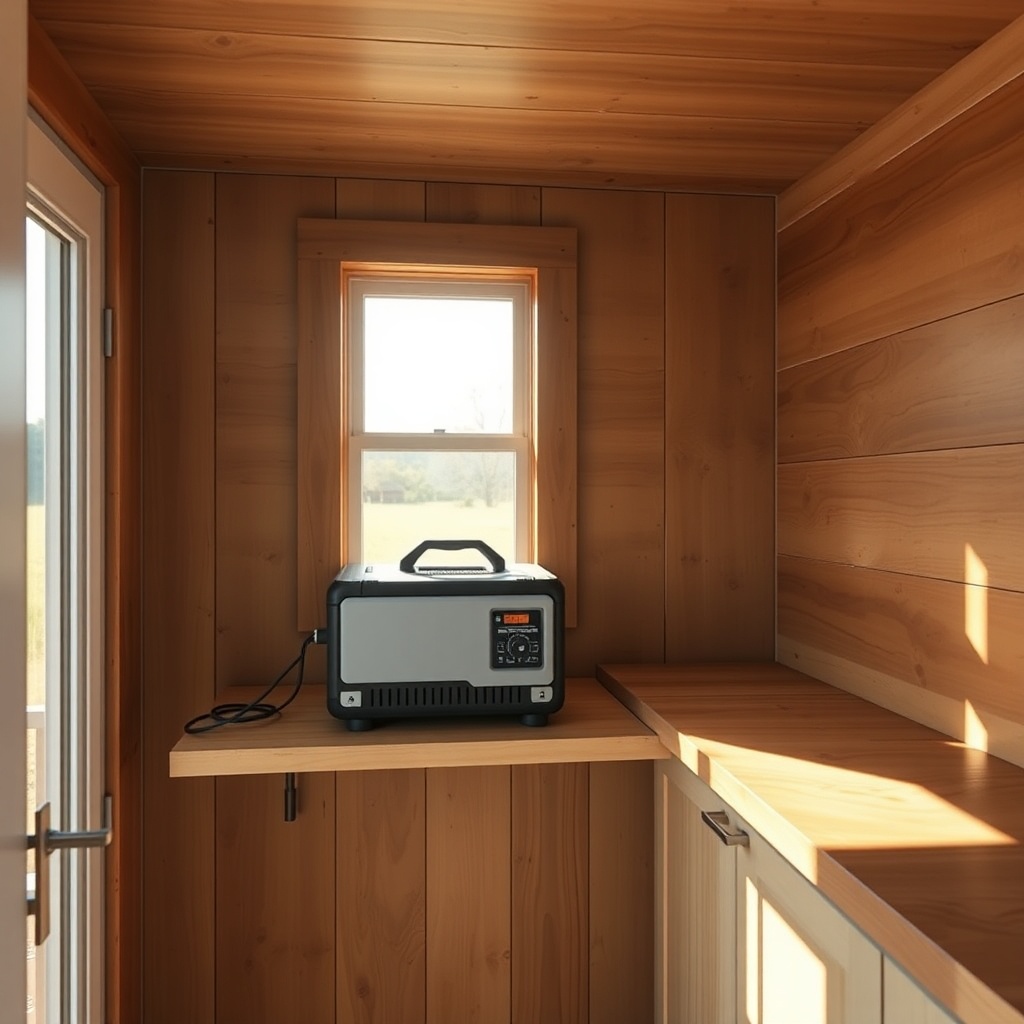
3. Top 5 Compact Solar Generators for Tumbleweed Custom Builds (Comparison)
Below is a comparison table of five generators that fit Tumbleweed’s space constraints and power needs. Prices are in USD and reflect typical retail in 2025.
| Model | Capacity (Wh) | AC Inverter (W) | Weight (lbs) | Solar Input (W) | Price (USD) |
|---|---|---|---|---|---|
| Jackery Explorer 2000 Plus | 2,042 | 1,500 (pure sine) | 27.6 | 1,200 | $1,899 |
| EcoFlow Delta 2 Max | 2,048 | 2,400 (pure sine) | 50.0 | 1,000 | $1,799 |
| Bluetti AC200PL | 2,048 | 2,000 (pure sine) | 41.9 | 700 | $1,599 |
| Goal Zero Yeti 1500X | 1,516 | 1,500 (pure sine) | 43.3 | 600 | $1,799 |
| Anker Solix F2600 | 2,560 | 1,800 (pure sine) | 45.2 | 1,200 | $1,999 |
All models support at least one MPPT solar charge controller and can be recharged in 4–8 hours with two 200 W panels. The EcoFlow Delta 2 Max offers the fastest AC recharge (1.1 hours from a wall outlet), while the Anker Solix F2600 has the highest capacity-to-weight ratio.
4. How to Integrate a Solar Generator with Tumbleweed’s Pre-Wired Systems?
Tumbleweed Custom Builds come with pre-run conduit and a standard RV-style power inlet (typically 30 A or 50 A). You can hardwire a solar generator into your system via a manual transfer switch or simply use the generator’s AC output to plug into the house’s shore power inlet. The latter is easiest—connect a heavy-duty extension cord from the generator to the Tumbleweed’s inlet, and it will power all downstream outlets (provided you stay below the generator’s rating).
For deeper integration, use the generator’s 12V DC output to charge a small battery bank or run bathroom storage hacks lighting. Many owners also install a junction box with a selector switch to toggle between grid, generator, and solar. Always follow local electrical codes and consider hiring a licensed electrician for permanent wiring.
5. Best Solar Panels to Pair with Your Tumbleweed Custom Build Generator
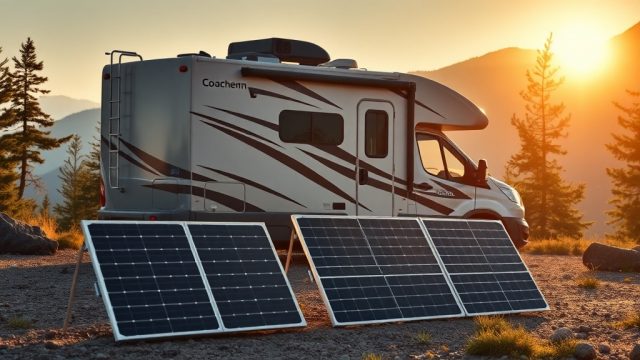
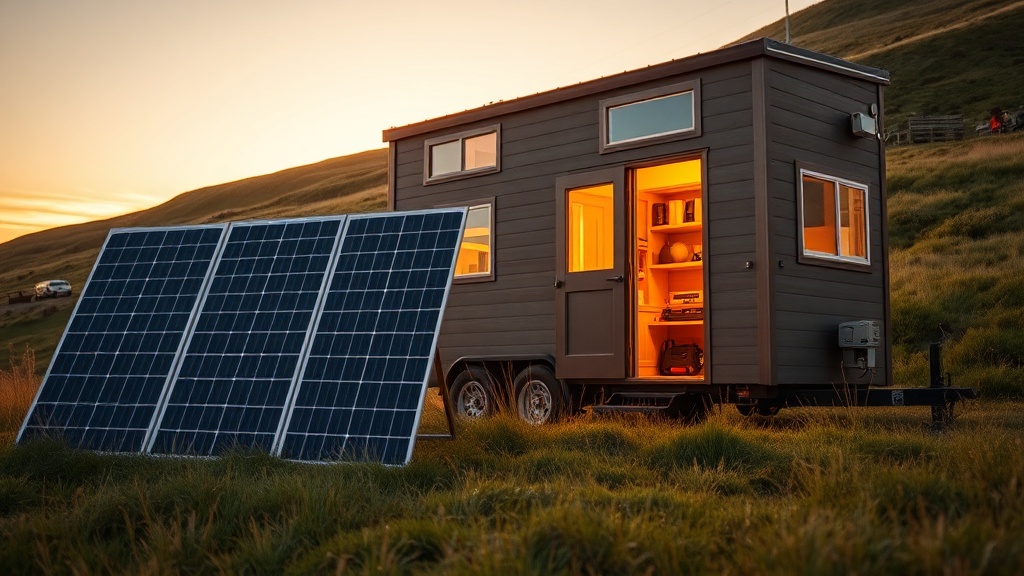
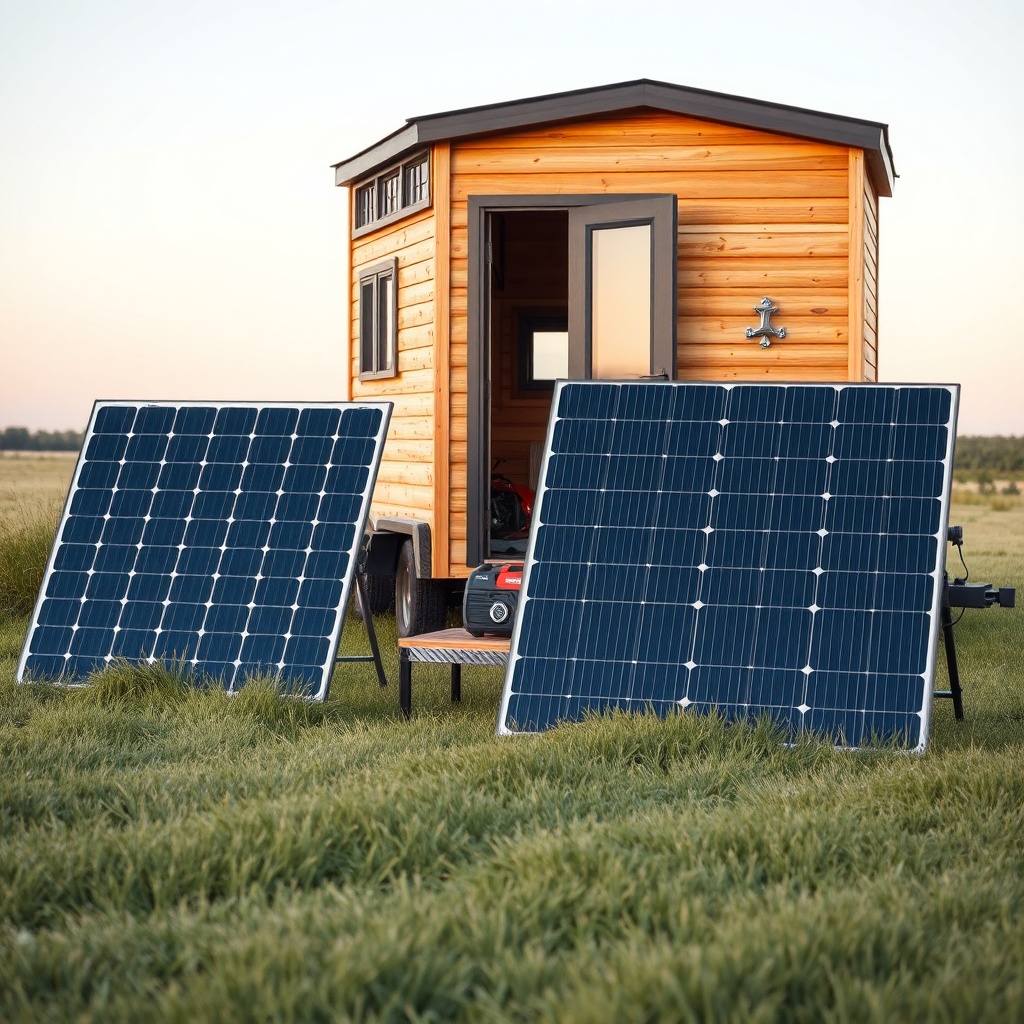
Portable solar panels are ideal for a Tumbleweed—they can be set up in minutes and stored in a closet or under the loft. Look for monocrystalline panels with at least 21% efficiency. The standard 200 W foldable suitcase panels (like Renogy or Jackery’s SolarSaga) are popular. For permanent installation, you can mount flexible panels on the roof of your Tumbleweed (if it has a flat or slight crown), but this may add weight and require drilling.
For a typical off-grid weekend, two 200 W panels in parallel will fully recharge a 2,000 Wh generator in about 5–6 hours of full sun. If you park in a shady spot, consider buying four panels (totaling 800 W) for faster charging. Remember to keep panels clean and angled toward the sun. For more on Tumbleweed’s roof-structure limitations, read our insulation tips for tiny houses to avoid overheating the interior.
6. What Are the Best Battery Chemistries for Tiny House Solar Generators?
Modern compact solar generators use one of three battery types: lithium iron phosphate (LiFePO4), lithium-ion (NMC), or lead-acid (rare in portables). LiFePO4 is the safest and longest-lasting—it handles 3,000+ charge cycles to 80% capacity, weighs less than lead-acid, and doesn’t off-gas. It’s the top choice for Tumbleweed owners who stay off-grid for months. Lithium-ion (NMC) packs more energy per pound but degrades faster (typically 500–1,000 cycles). Lead-acid is heavy and inefficient but cheaper. We recommend LiFePO4 for its longevity and safety in a small living space.
What Owners Say
Tumbleweed Custom Build owners consistently praise the simplicity of portable solar generators. “I use an EcoFlow Delta 2 Max on my Cypress model,” writes Sarah in Colorado. “It runs my fridge, lights, and laptop for 48 hours without panel charging. The ability to recharge in an hour from a campground pedestal is a lifesaver.” Another owner, Mark from Oregon, says: “I got the Jackery 2000 Plus with two 200W panels. It powers my mini-split AC for about 6 hours in summer. I love that I can move it outside to cook on a hot plate.”
Common advice from the Tumbleweed community: invest in a generator with at least 2,000 Wh capacity and pure sine wave output. Many owners also suggest purchasing a second, smaller backup unit (like a 300 Wh unit) for critical loads during deep overcast weather. For more ways to maximize your tiny home, check our vertical garden ideas for tiny spaces and best space-saving loft ladders to further optimize every square foot.
Frequently Asked Questions
1. Can I run a Tumbleweed’s standard 30A RV outlet from a solar generator?
Yes, if the generator’s inverter supplies at least 3,600 W continuous (for 30A at 120V). Most compact generators top out at 2,400 W, so you’ll need a higher-capacity unit like the EcoFlow Delta Pro (3,600 W) or Bluetti AC500 + B300. Alternatively, use a 15A–20A adapter and only run one high-draw appliance at a time.
2. How long does a 2,000 Wh generator last in a Tumbleweed?
With typical off-grid usage (fridge, lights, phone charging, occasional laptop), expect 1.5–2 days. Running a micro-wave or air conditioner reduces this to 4–6 hours. Always check your loads against the generator’s rated capacity.
3. Do I need to install solar panels on the roof of my Tumbleweed?
No—portable ground panels are fine and easier to maintain. Roof mounting is possible if your Tumbleweed has a structural allowance, but portable panels are more flexible and can be adjusted for optimal sun angle. See our insulation tips if you worry about roof heat.
4. Can I charge the generator while using it?
Most modern units support pass-through charging (AC input + DC output simultaneously). However, some manufacturers limit this in certain modes. Check the manual—EcoFlow and Bluetti fully support pass-through; older Jackery models may not.
5. What’s the best way to store a solar generator in a Tumbleweed?
Keep it in a cool, dry place away from direct sunlight. Many owners place the generator in a ventilated closet or under the sink with a fire-safe enclosure. Avoid temperatures above 110°F (43°C) or below 14°F (-10°C) for battery health.
6. Is a solar generator cheaper than a full solar panel array?
For a Tumbleweed, yes. A 2,000 Wh generator with two panels costs ~$2,000–$2,500, while a full roof-fixed system (with inverter, battery, and wiring) can cost $4,000–$7,000. The portable generator also leaves your roof free for a skylight or deck, and you can take it with you if you move.