The Challenge of Wine Storage in a Tumbleweed Tiny Home
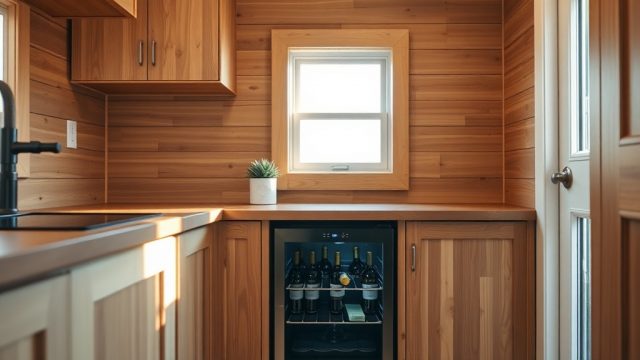
For those living in a Tiny House Custom Build by Tumbleweed, every square inch carries weight. The kitchen, often the heart of the home, demands appliances that serve multiple purposes without sacrificing quality. When it comes to wine storage—whether for a daily glass of Pinot Grigio or a special vintage—the standard under-counter fridge simply won’t cut it. The challenge lies in finding a compact wine fridge that fits seamlessly into the narrow counters and shallow cabinetry of a Tumbleweed build, while maintaining proper temperature and humidity for your collection.
This guide cuts through the noise. We evaluate the best compact wine fridge options specifically designed for the strict spatial constraints of a Tumbleweed Custom Build: Best Compact Refrigerator Options for Tiny Houses, focusing on depth, power consumption, and noise levels. Whether you’re a casual drinker or a budding oenophile, the right unit can elevate your tiny kitchen without crowding it.
What Are the Best Compact Wine Fridge Dimensions for a Tumbleweed Kitchen?
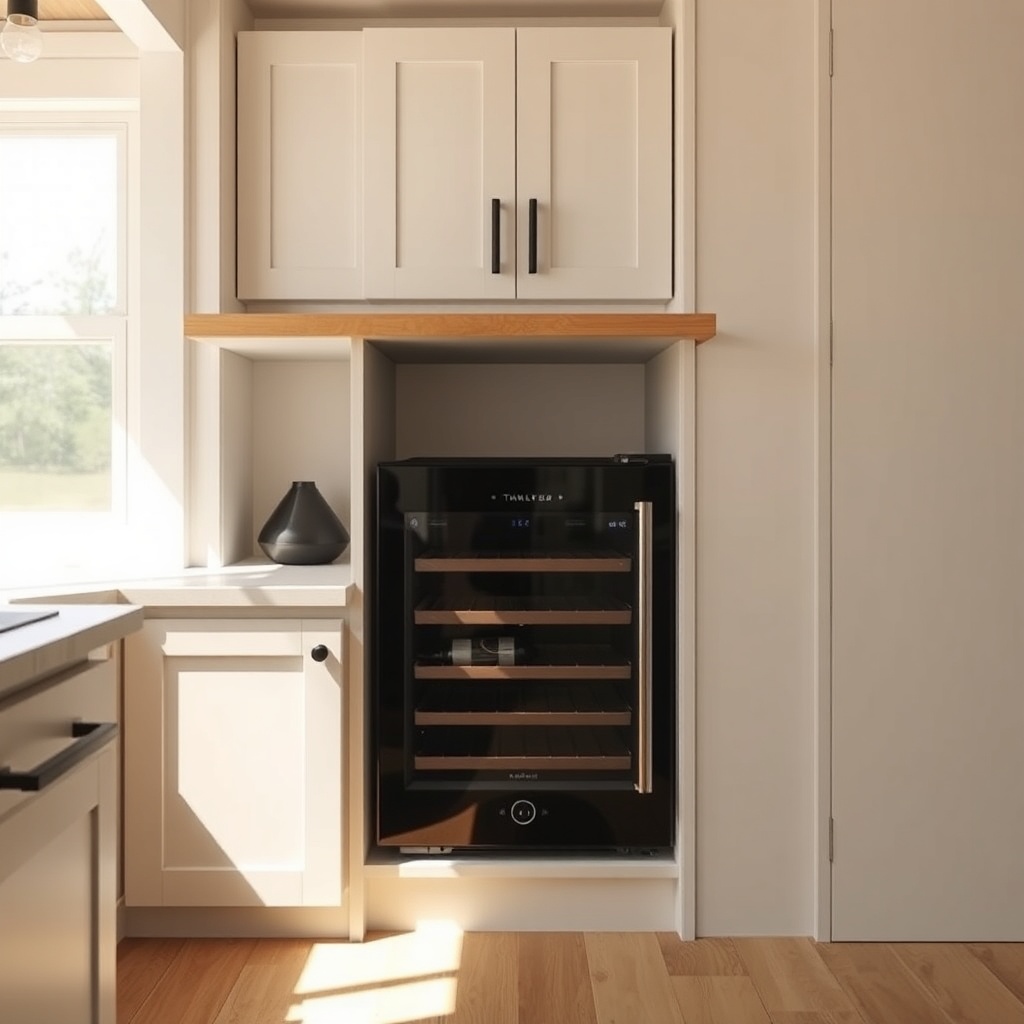
Standard kitchen counter depths in a Tumbleweed typically range from 20 to 24 inches. However, many custom builds feature shallower counters near the sink or stove to maximise floor space. A wine fridge that sticks out more than 2 inches beyond the counter edge not only looks awkward but can also become a trip hazard. The ideal dimensions for a built-in or freestanding compact unit are no more than 17 inches deep, 18 inches wide, and 24 inches tall.
Look for models like the EdgeStar 15-Bottle Built-In (16.5”D x 17.5”W x 23.5”H) or the Avallon 18-Bottle (16.9”D x 17.3”W x 23.6”H). These units fit flush under standard 24-inch-deep counters. If your Tumbleweed has a galley kitchen layout, consider a Freestanding Single-Zone unit that sits on the countertop. The Kalamera 12-Bottle (13.5”D x 14.6”W x 18.9”H) is shallow enough to sit on a back counter without obstructing the sink or stove. Measure twice, order once—a 17-inch-deep fridge is the new gold standard for tiny kitchens.
What Is the Best Wine Fridge Capacity for Frequent Entertaining?
Capacity in a tiny house must be balanced with frequency of use. A 15-bottle unit is the sweet spot for a couple who drinks wine 3–4 times a week. It stores a mix of reds and whites without taking over the kitchen. For solo living or occasional hosting, an 8-bottle unit (often called a “beverage cooler”) suffices. However, if you entertain regularly, consider a 30-bottle dual-zone model like the NewAir 30-Bottle (17.5”D x 17.6”W x 29.9”H). This fits in a larger Tumbleweed with a 24-inch-deep pantry cabinet or as a freestanding unit in a living area.
Another clever approach: use a built-in 18-bottle unit dedicated to whites and a small 6-bottle countertop cooler for reds. This keeps your reds at cellar temperature (55–60°F) and whites chilled (45–50°F). A dual-zone unit saves space, but single-zone models are cheaper and still allow you to adjust temperature for the majority of your collection. Prioritise the number of bottles you genuinely rotate through in a month—any excess just occupies valuable cooling space and energy.
How Much Should You Spend on a Tiny House Wine Fridge?
In British Pounds (GBP), a quality compact wine fridge ranges from £150 for a basic 8-bottle countertop unit to £600 for a dual-zone 30-bottle built-in model. Mid-range options (around £250–£400) offer thermo-electric cooling—quieter and vibration-free—which is perfect for tiny living where noise carries. Below is a clear comparison of three top models that fit Tumbleweed builds:
| Model | Capacity | Price (GBP) | Depth (inches) | Cooling Type | Noise Level |
|---|---|---|---|---|---|
| EdgeStar 15-Bottle Built-In | 15 bottles | £299 | 16.5 | Thermoelectric | Very quiet |
| Avallon 18-Bottle Freestanding | 18 bottles | £379 | 16.9 | Compressor | Moderate |
| NewAir 30-Bottle Dual-Zone | 30 bottles | £549 | 17.5 | Compressor | Low hum |
The EdgeStar is the best value for small kitchens—its thermoelectric design adds no vibration, preserving fine wine. The NewAir is for serious collectors who can spare the space. Avoid compressor units under £200; they tend to be noisy and poorly insulated.
Which Cooling Type Suits a Tiny House: Thermoelectric or Compressor?
This is a critical decision for tiny house dwellers. Thermoelectric coolers (also called Peltier) use electricity to transfer heat, with no compressor or refrigerant. They are silent, vibration-free, and more energy-efficient (approx. 80–100 watts). However, they struggle in hot climates—if your Tumbleweed’s interior rises above 85°F, a thermoelectric unit may not cool the wine below 65°F. They are ideal for mild climates or if your wine fridge is in a shaded, air-conditioned kitchen.
Compressor units work like a normal fridge, using a cooling cycle. They can maintain 45–55°F even in 95°F ambient temperatures. The trade-off is noise and vibration (though modern units are quiet at 38–42 dB). For off-grid builds, compressors draw more power (150–200 watts) but can still run on a modest solar system when paired with a high-capacity inverter. If you plan to install a Tumbleweed Custom Build: Best Compact Solar Generators for Tiny Houses, a thermoelectric unit is the greener choice.
For most tiny homes, a thermoelectric built-in is the winner. It adds negligible load to your electrical system and keeps wine undisturbed. Only invest in compressor if you live in a desert region or need a dual-zone unit with fast recovery after door opening.
What Are the Best Wine Fridge Features for Tumbleweed Custom Builds?
Beyond size and cooling, specific features can make or break your tiny kitchen workflow. Look for the following non-negotiable elements:
- Low noise rating: Under 40 dB for thermoelectric, under 45 dB for compressor. Check user reviews for real-world sound levels.
- Reversible door hinges: Allows the door to open left or right, fitting galley corners or near a wall.
- Humidity control: Built-in models often have a small water tray; avoid units that dry out corks.
- Sliding wooden shelves: Easier access than fixed wire racks in narrow spaces.
- Built-in ventilation: Front-facing vents (not rear) are essential for under-counter installation in a Tumbleweed.
One standout is the Kalamera 15-Bottle Built-In, which offers all above at £289. Its double-pane glass door reduces condensation and looks elegant. If you frequently climb to a loft area, consider a unit with a digital thermostat visible from across the room. A handy tip: install the wine fridge in a pull-out drawer or slide-out tray (common in tiny builds) for even easier access without bending.
What Owners Say About Wine Storage in Their Tumbleweed Homes
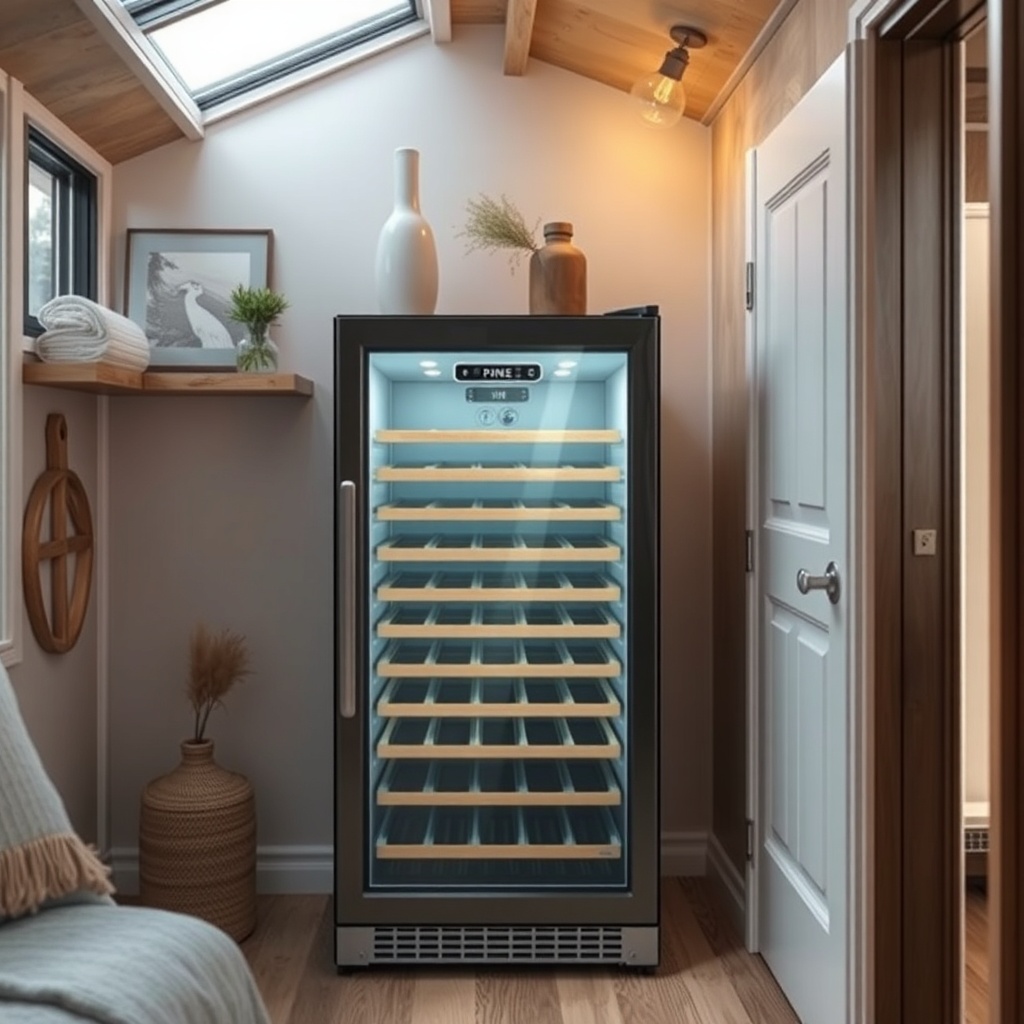
Janet from Oxfordshire, owner of a 2019 Tumbleweed Cypress model, shares her experience: “I bought the EdgeStar 15-Bottle built-in. It sits flush under my counter, barely makes a sound. I have about 12 bottles of wine and a few craft beers. The temperature stays consistent even in summer, as long as I keep the kitchen shaded. Absolutely worth the £299.”
Tom and Lisa, who built a custom Tumbleweed over a year, chose a NewAir 30-Bottle unit for their open-plan living: “We entertain a lot. The dual zone lets us chill white wine and keep reds ready. It’s deeper than we wanted—sticks out 2 inches—but we built a small shelf around it. Looks intentional. The compressor hum is noticeable when quiet, but not disruptive.”
David, living off-grid in a Tumbleweed with solar panels, advises caution: “I tried a compressor unit first. It drained my battery bank too fast. Switched to a thermoelectric 8-bottle countertop model. It’s perfect for three bottles at a time and only uses 90 watts. I save power for my Tiny House Custom Build by Tumbleweed: Compact Rainwater Collection Systems for Tiny Living.”
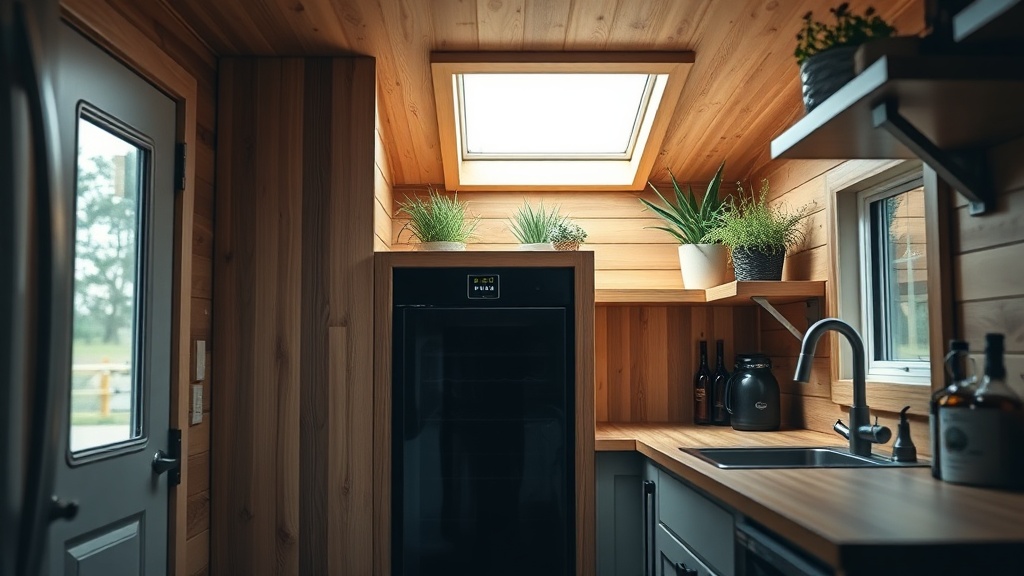
Common praise includes the space savings and aesthetic upgrade; common complaints involve condensation on glass doors in humid climates. Owners recommend pairing the wine fridge with a Tumbleweed Custom Build: Vertical Garden Ideas for Tiny Spaces to create a cosy ambience.
Frequently Asked Questions
Q: Can I install a wine fridge in a Tumbleweed that has no counter above it?
A: Yes, but ensure the unit is freestanding or has a top vent if built-in. Many models require at least 2 inches of clearance above for ventilation. A compact countertop model is best for open spaces.
Q: How much electricity does a tiny wine fridge use per month?
A: A thermoelectric 15-bottle unit uses about 50–70 kWh per month, costing roughly £8–£12 in the UK. A compressor unit uses 100–150 kWh, around £15–£25 monthly. Always check the energy label (EER rating).
Q: Will a wine fridge fit in a Tumbleweed’s loft area?
A: Not advisable due to weight and heat. Loft areas get warmer (70–85°F), stressing the cooling system. Place wine fridges on the ground floor in the kitchen or living area.
Q: Can I use a wine fridge for other beverages?
Yes—many wine fridges have adjustable shelves for cans and bottles. Just avoid storing soft drinks with corkscrews as the high temperature may spoil wine. Use a unit with a “beverage mode” setting.
Q: What if I need more than 30 bottles?
A: Consider a dual-function appliance: a wine fridge combined with a small under-counter refrigerator. Some models, like the Tumbleweed Custom Build: Best Compact Refrigerator Options for Tiny Houses, integrate a wine rack. Alternatively, choose a 50-bottle freestanding unit, but ensure your Tumbleweed has a wide pantry.
Q: Does a wine fridge need to be level?
A: Absolutely. Wine fridges, especially compressor types, require level installation to prevent vibration and oil migration in the cooling system. Use a built-in spirit level when installing under a counter.